
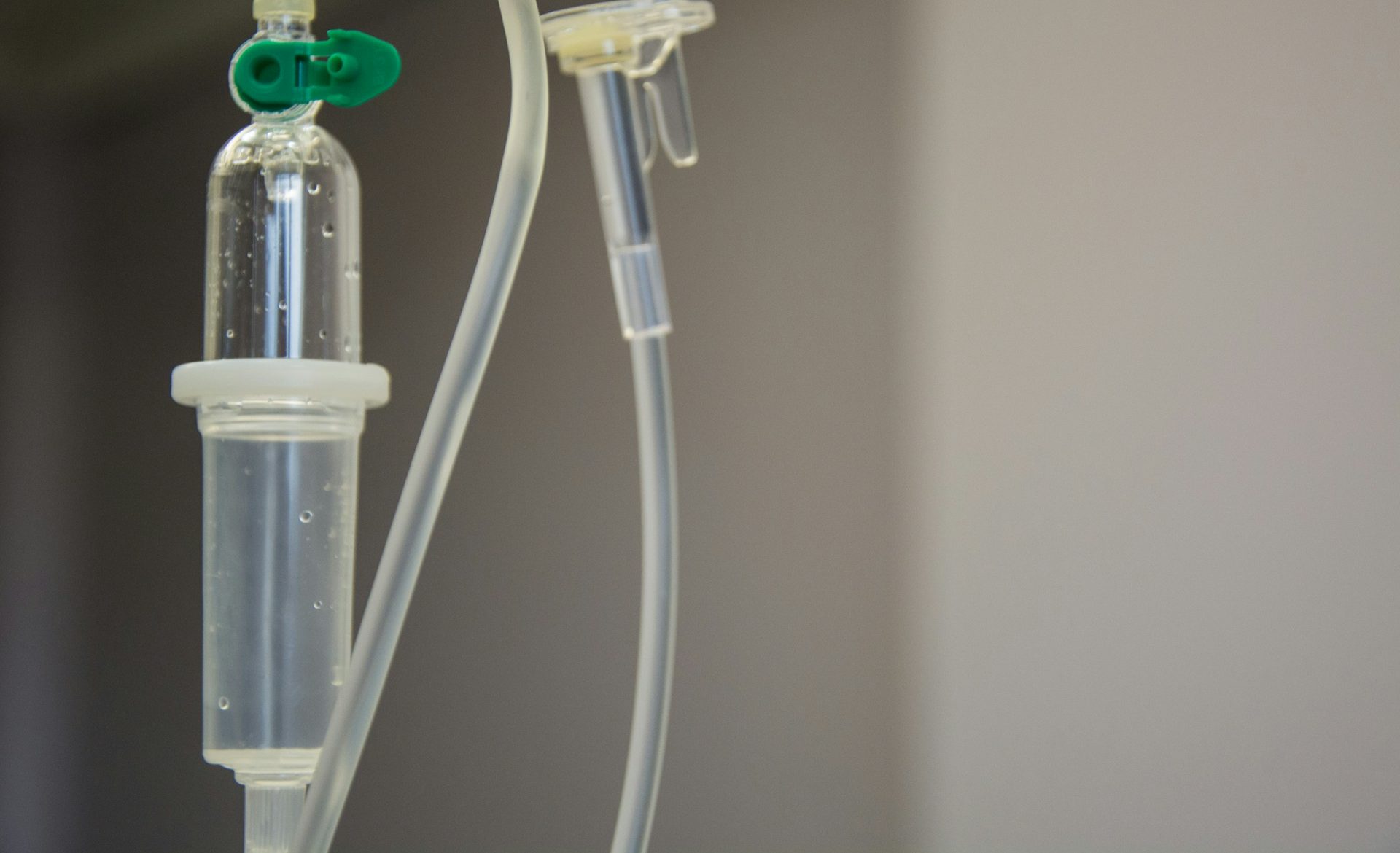
In 2017, Paul Marik, MD, and coworkers at Sentara Norfolk General Hospital (which is affiliated with Eastern Virginia Medical School) published a landmark paper on the treatment of septic shock with the combination of vitamin C, hydrocortisone, and thiamine. Septic shock is a life-threatening condition that has a mortality rate of around 50% in the United States and an even higher mortality rate in developing countries.
Beginning in January 2016, Marik’s group began administering vitamin C (1.5 g every 6 hours), hydrocortisone (50 mg every 6 hours), and thiamine (200 mg every 12 hours) intravenously to all patients with severe sepsis or septic shock.1 Among the first 47 patients treated, the mortality rate was 8.5%. In comparison, the mortality rate was 40.4% in a retrospective control group of 47 patients with severe sepsis or septic shock who had been treated at the same hospital between June 2015 and December 2015. Thus, the addition of vitamin C/hydrocortisone/thiamine to standard care was associated with a 78.9% reduction in mortality (p < 0.01).








0 Comments