
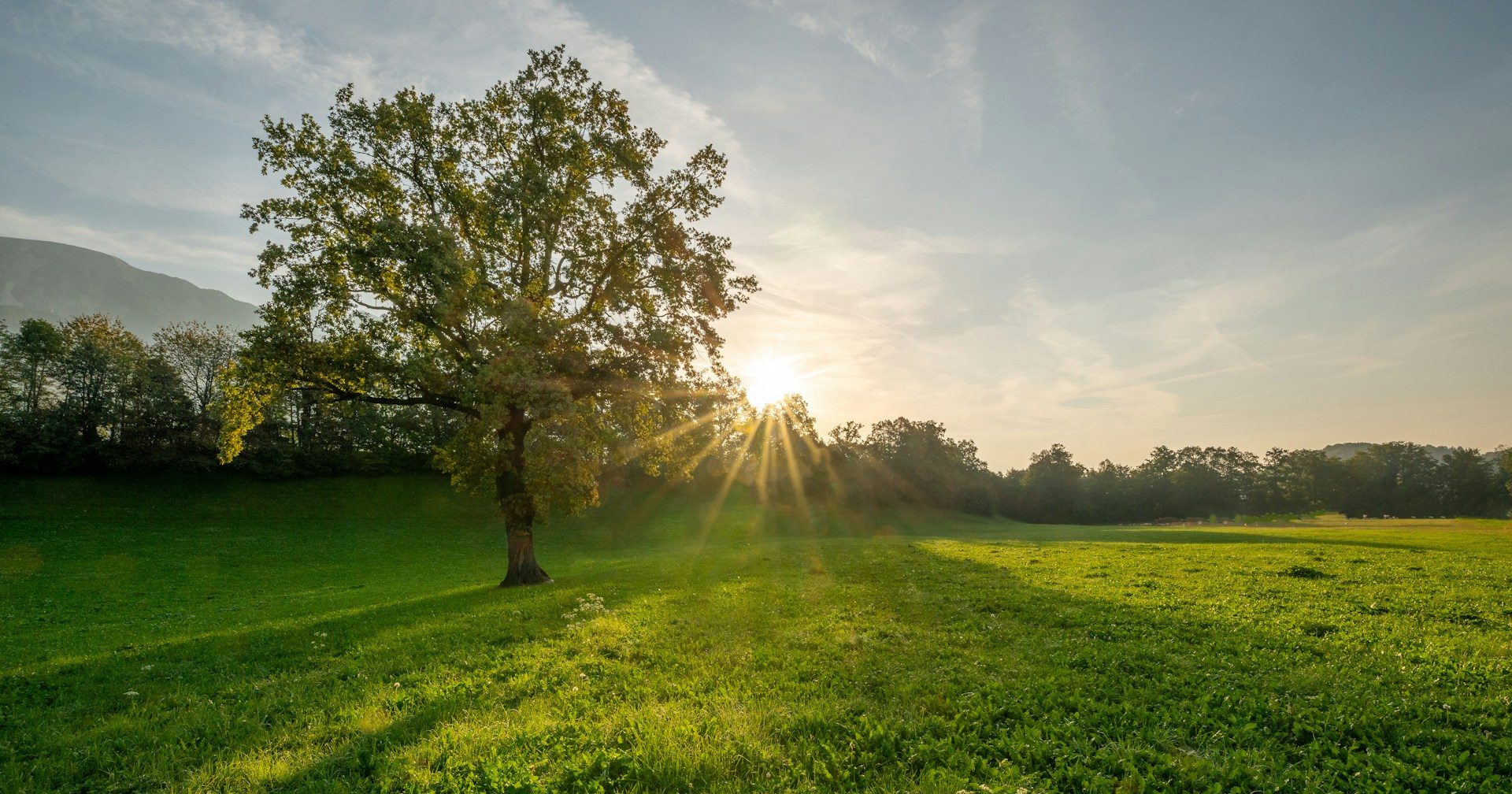
A June 2021 New York Times article surprised me when it quoted Matthew Ayres, a biology professor at Dartmouth, who explained that because there was an abundance of acorns in the fall of 2020, there would be a sharp increase in ticks and Lyme infections in 2021. “The rodents that eat acorns (e.g., white-footed mice, chipmunks, and gray squirrels) have been celebrating by making lots more rodents. These rodents are ideal hosts for the ticks that carry Borrelia, the bacterium that causes Lyme disease. So, more acorns = more rodents = more ticks = more tick-human encounters, and more exposure of humans to tick-borne diseases.”1
His equation seems obvious in retrospect but left me feeling dumb. I’ve spent many days wandering through our forest planting acorns, hoping to create an abundance of oak trees on our land, believing, ‘I was doing a good thing.’ My short-lived career as an acorn farmer was inspired by reading the book, The Nature of Oaks, by Douglas Tallamy, an entomology professor. Tallamy writes that oaks, more than any other tree, support life in the forest serving as the direct or indirect food source for multiple species of caterpillars, birds, squirrels, and other animals. Oak trees are the foundation of the forest food chain.








0 Comments