
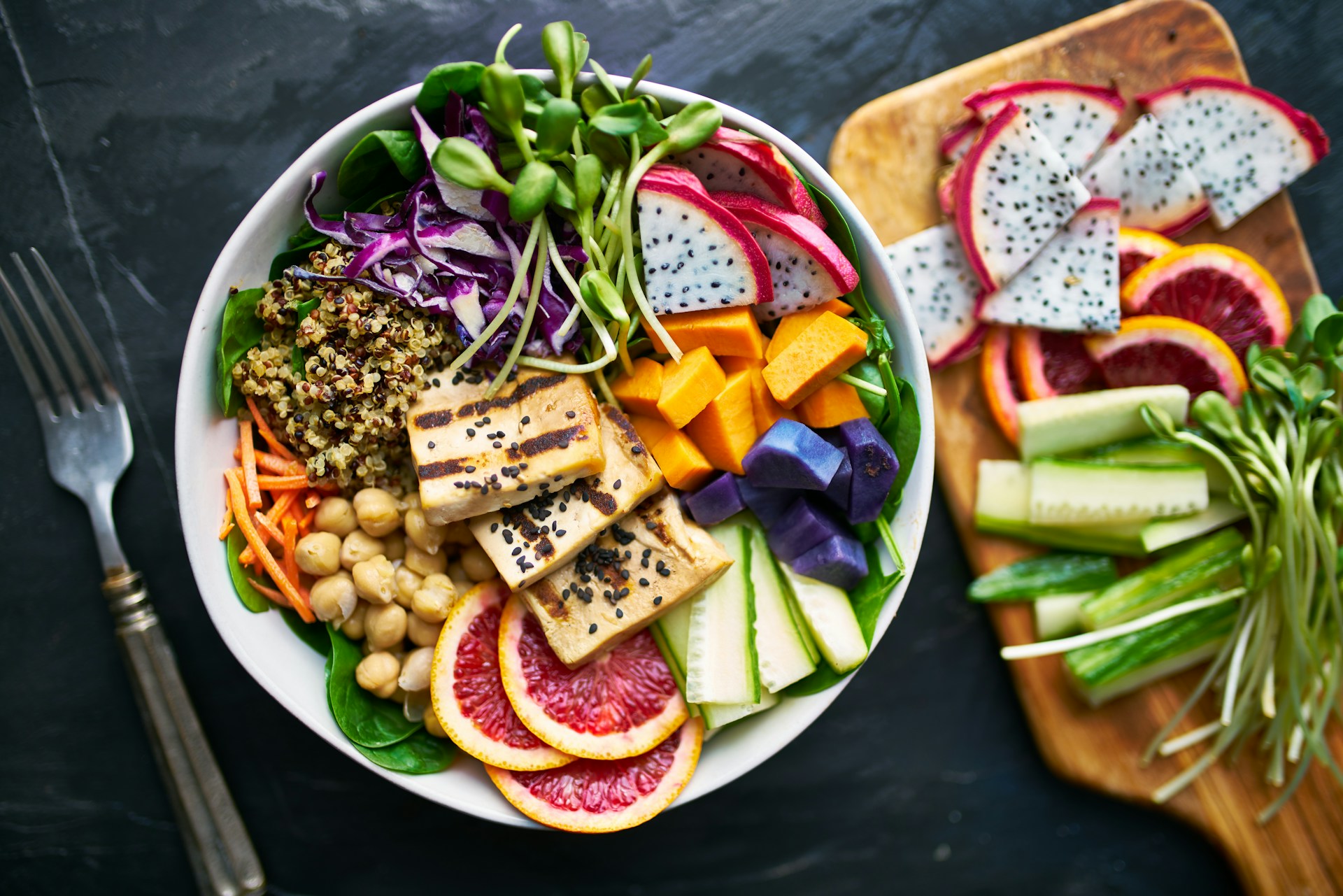
In the 1920s and 30s, Weston A. Price, DDS, was traveling the world to investigate the effects of processed foods on dental health. He documented the incidence of dental cavities and measured dental arches in peoples that relied on traditional, whole foods diets and compared these measures to neighboring groups that ate processed foods. Although the makeup of traditional diets differed from place to place, a reliance on processed foods (eg, canned foods, white flour, white sugar) all had the same effect: more dental caries; deformed dental arches, resulting in crowded, crooked teeth; and decreased resistance to illness.1 He wrote about his observations in his classic book Nutrition and Physical Degeneration.
Now, nearly one hundred years later, ultra-processed foods have become a major part of the western diet, and multiple studies indicate that these technological wonders are associated with increased risks of obesity, metabolic syndrome, cardiovascular disease, cancer, dementia, and all-cause mortality.2
Ultra-processed foods are lightyears beyond minimally processed foods (frozen or dried whole foods without additional salt or sugar). Ultra-processed foods are the result of a “series of multiple processes including extraction and chemical modification of substances (eg., oils, starches, sweeteners, emulsifiers), assembly of unmodified and modified food substances and additives, pre-frying, molding, extrusion,” according to the NOVA classification framework.
Examples of ultra-processed foods include frozen dinners, ready-to-eat foods, fast foods, flavored yogurts, soft drinks, juices, breakfast cereals, salty snacks, instant soups, chicken/fish nuggets, hot dogs, industrially produced breads, energy bars, reduced-calorie/low-fat products, and ‘enriched’ products.3
A 2021 systematic review and meta-analysis from Italy found 23 observational studies that investigated the association between ultra-processed food consumption and health status.2 While the 10 cross-sectional studies were considered to be only fair or poor quality, the 13 prospective cohort studies were all good quality. These 13 studies consisted of data from 183,491 people, living in Spain, France, Brazil, Italy, or the US.
Five studies (n=111,056) found that people eating the most ultra-processed food (UPF) had a 25% greater relative risk of dying compared to those who ate the least UPF (RR 1.25, 95% CI 1.14-1.37; P<0.00001). The studies in this review also found that the more ultra-processed food consumed, the greater the risk of cardiovascular disease incidence and/or mortality (RR 1.29, 95% CI 1.12-1.48; P=0.0003), cerebrovascular disease incidence and/or mortality (RR 1.34, 95% CI 1.07-1.68; P=0.01), and depression (RR 1.20, 95% CI 1.03-1.40; P=0.02).2
Since the publication of the Italian review, more studies have been published.
A December 2022 study from Brazil found a correlation between UPF consumption and cognitive decline. The researchers followed 10,775 people for a median of eight years. The study participants were evaluated with immediate and delayed word recall, word recognition, phonemic and semantic verbal fluency tests, and Trail-Making Test B version. The study reports: “…individuals with ultraprocessed food consumption above the first quartile showed a 28% faster rate of global cognitive decline…(P=0.003) and 25% faster rate of executive function decline…(p=.01) compared with those in the first quartile.”4
A July 2022 study used data from the UK Biobank study to investigate UPF consumption and the risk of dementia.5 The researchers used data from 72,083 participants (55 year or older) who were free from dementia at baseline and provided at least two 24-hour dietary assessments.5 After adjusting for confounders, the researchers found that a 10% increase in UPF consumption increased the risk of dementia (hazard ratio [HR] for 10% increase in UPR 1.25;95% Ci 1.14-1.37), Alzheimer’s disease (HR 1.14;95% CI 1.00-1.30), and vascular dementia (HR 1.28; 95% CI 1.06-1.55). When they looked at the data from another direction, they found “…replacing 10% of UPF weight in diet with an equivalent proportion of unprocessed or minimally processed foods was estimated to be associated with a 19% lower risk of dementia (HR 0.81; 95% CI 0.74-0.89).”5
A 2023 study that also used a prospective cohort of UK Biobank participants (aged 40-69) looked at the association between UPF consumption and cancers. Ultra-processed food consumption ranged from a low of 9.2% (SD 3.0%) to a high of 41.4% (SD 11.1%) of the participants’ diets (mean UPF consumption was 22.9% (SD 13.3%) in the total diet (g/day)).
The researchers found an incrementation increase in cancer incidence: every 10 percent increase in UPF consumption was associated with a small increased incidence of cancer (hazard ratio, 1.02; 95% CI, 1.01-1.04). Overall, cancer-related mortality was higher in those with the highest UPF consumption, compared to the lowest quartile (1.06; 1.03-1.09); the highest cancer-related mortality risk was with ovarian (1.30; 1.13-1.50); and breast (1.16; 1.02-1.32) cancers.6
Of course, epidemiological studies such as these cannot prove cause and effect; they have too many confounding variables. Another way to test whether these associations hold true is to investigate whether there are biological explanations—potential mechanisms of action—to explain why UPFs would have such a negative effect on health. That is exactly what US researchers, Filippa Juul, Georgeta Valdean, and Niyati Parekh did.
In their 2021 article, Juul et al discuss the many ways that ultra-processed foods can contribute to cardiovascular disease.
- Highly refined carbohydrates and added sugar promote high blood sugar, insulin resistance, and metabolic syndrome.
- Additives such artificial sweeteners and emulsifiers promote oxidative stress and disrupt the diversity and balance of the gut microbiota.
- Inorganic phosphorus can disrupt hormone regulation of extracellular phosphate, leading to increased arterial calcification.
- Too much sodium (in salt) and too little potassium (in minimally processed fruits and vegetables) increases hypertension risk.
- Low fiber intake disrupts the microbiome.
- Fats and oils subjected to high heat during processing increase total and LDL cholesterol, but minimally processed saturated fat does not.
- High heat during processing produces advanced glycation end-products (AGEs). AGEs increase oxidative stress and inflammation.
And then, there’s the health effects of the packaging used in the fast-food and ready-to-eat products. The packaging often contains endocrine-disrupting chemicals, like bisphenol A (BPA) used in plastics. BPA, which binds to estrogen-related receptors, promotes insulin resistance, oxidative stress, inflammation, adipogenesis, and pancreatic B-cell dysfunction. There is no data showing that BPA replacements, such as structurally similar bisphenol S and bisphenol F, are safer.
A hundred years of research shows that the more we rely on processed foods, the more our health declines. Yet, the food processing industry continues to grow by leaps and bounds. The same industry that has given us high-fructose corn syrup, artificial sweeteners, trans-fats and hydrogenated oils is gearing up to promote ‘cultivated meat’ and plant-based meat substitutes—all in the name of climate change and saving the planet.
Unfortunately, some notable academic institutions are supporting the ultra-processed trends. Tufts University (Boston, Massachusetts) has created the “Food Compass” to help consumers, investors, and governments make healthy food choices.7 That profiling system rates Kellogg’s Frosted Mini-Wheats as a mainstay of a healthy diet.
Lucky Charms, Cocoa Puffs, Frankenberry, and Reese’s Puffs are all higher rated than an egg fried in butter or (at the bottom of the list) cooked ground beef.7 Meatless chicken (breaded and fried), meatless luncheon slices, and meatless meatballs all outrank any real meat (chicken, turkey, beef, ostrich, opossum, bear). Textured vegetable protein receives a 100 (out of 100)—making it of equal value to kale and other fresh fruits and vegetables.
Tufts has the reputation of being a leader in nutrition.
If you want to remember what nutritious food really is, I suggest you check out the Weston A. Price Foundation or Price-Pottenger Foundation (https://price-pottenger.org/). Start a vegetable garden or grow leafy greens in a pot. Support your local small farmer. Your health can only improve.
D-Mannose for Bladder Infections
Several decades ago, Jonathan V. Wright, MD, had a case that forever changed the way he treats urinary tract infections (UTIs). Dr. Wright, founder and medical director of Tahoma Clinic (near Seattle, Washington), has been a pioneer in the use of natural treatments and bio-identical hormone therapy since the 1970s. He has taught natural biochemical medical treatments since 1983 to thousands of physicians in the USA, Europe, and Japan.
In this issue, he shares the case of a young girl with a long history of multiple urinary tract and kidney infections, due to Escherichia coli. E. coli is the most common cause of UTIs. Her worried parents sought Dr Wright’s help after Seattle Children’s Hospital warned that their daughter would likely need a kidney transplant. As luck would have it, Dr. Wright had recently come across a research report that gave him the idea of trying D-mannose supplementation. It worked.
This inexpensive sugar has become Tahoma Clinic’s first-line treatment for any urinary tract infection.
References
- Weston A. Price, DDS. January 1, 2000. https://www.westonaprice.org/health-topics/nutrition-greats/weston-a-price-dds/#gsc.tab=0
- Pagliai G, et al. Consumption of sultra-processed foods and health status: a systematic review and meta-analysis. British Journal of Nutrition 2021;125:308-18.
- Juul F, Valdean G, Parekh N. Ultra-processed Foods and Cardiovascular Diseases: Potential Mechanisms of Action. Adv Nutr. 2021 Oct 1;12(5):1673-1680. doi: 10.1093/advances/nmab049.
- Gomes Gonçalves NG, et al. Association Between Consumption of Ultraprocessed Foods and Cognitive Decline. JAMA Neurol. 2023;80(2):142-150.
- Huiping Li, et al. Association of Ultraprocessed Food Consumption with Risk of Dementia – A Prospective Cohort Study. Neurology. September 2022;99(10:e1056-e1066.
- Chang K, et al. Ultra-processed food consumption, cancer risk and cancer mortality: a large-scale prospective analysis within the UK Biobank. The Lancet. 2023.
- Teicholz N. Tufts’ Food Compass…It’s Worse Than You Thought. https://unsettledscience.substack.com/ February 6, 2023.
Published May 6, 2023








0 Comments