
Circulating Tumor Cells:
The Root Cause of Cancer Spreading
by Leigh Erin Connealy, MD
Author of the upcoming book The Cancer Revolution
The Growing Epidemic of Cancer
Cancer has been a growing concern since Nixon declared war on cancer in 1970. According to the American Cancer Society, over 8 million people die from cancer every year, and that number has been projected to increase to 13 million by the year 2030 worldwide.2 Of those deaths, over 90% of them are the result of cancer metastasis.3 In order to treat cancer, most physicians bombard the patient with various different drugs using different treatment methods. The most common conventional cancer treatments include chemotherapy, radiation, and surgery. Cytotoxic chemotherapy is a form of cell–cycle dependent therapy that kills cancer cells by interfering with different phases of the cell cycle. In fact, most chemotherapy agents affect the M-phase of the cell cycle by inhibiting microtubule function, DNA synthesis, or protein function.5 Although these treatments may be beneficial, they are hardly cancer cell specific. Chemotherapy agents can also bind to healthy cells and induce apoptosis. One of the most common side effects of chemotherapy is hair loss, which is caused by the interruption of cell division in hair cells. Radiation is another form of cancer treatment that eliminates cancer cells through exposure to strong electromagnetic wave particles. The wave particles disrupt the genetic makeup of cells and inhibit their growth and division processes.1 Lastly, surgery is a form of treatment that surgically extracts cancer cells them from the primary cancer site. Although these procedures are usually successful in removing the initial cancer, ultimately, these methods do not prevent against cancer reoccurrence and metastasis.12
What are Circulating Tumor Cells (CTCs) and Circulating Stem Cells (CSCs)?
One of the least studied aspects of cancer is circulating tumor cells (CTCs). CTCs are cancer cells that are shed from the primary tumor and enter the circulatory system through the blood stream. Thomas Ashworth, an Australian pathologist, first proposed the concept of CTCs in the 19th century. At the time, Ashworth successfully discovered CTCs in a man who was diagnosed with metastatic cancer. From this identification, Ashworth was able to hypothesize that mobilized cancer cells can play a significant role in cancer metastasis. In other words, cells that shed from the original cancer site can travel into the bloodstream and cause the same tumor to be formed elsewhere in the body. These findings largely alarmed the scientific community; however, limitations in medical technology hindered the ability to confirm the presence of these cells.7 Over 140 years later, research in the field has finally been able to confirm what Ashworth proposed over a century ago.
CTCs are often overlooked in cancer detection process because they are microscopic cells that are extremely hard to detect. Without the proper medical technology, CTCs and CSCs might as well be scientifically nonexistent. Most physicians spend a majority of the time ordering MRIs, PET scans, CT scans, and tumor markers. Although these types of tests are effective in detecting tumors, they do not detect circulating cancer cells. RGCC (Research Genetic Cancer Centre), a research laboratory in Greece, specializes in the detection of circulating tumor cells in the blood. CTCs can be observed in the peripheral blood of cancer patients at relatively low concentrations. Because these cells are found at a much smaller ratio, in comparison to the size of a tumor, highly sensitive and specific technology is required for the detection of CTCs.

Figure 1: How Circulating Tumor Cells (CTCs) and Circulating Stem Cells (CSCs) Are Derived
Cancer stem cells, like all other stem cells, begin in an undifferentiated state. Once a signal is received, CSCs undergo a process of cell differentiation to become differentiated cancer cells, which ultimately leads to tumor formation.4
The general biological mechanism behind the differentiation of CTCs and CSCs can be seen in Figure 1. Like almost all stem cells, CSCs must receive a signal to undergo cell differentiation. Once the cancer cell has been differentiated, it can grow and proliferate to produce even more cancer cells.4 The mechanism of cancer stem cell differentiation what leads to tumor formation. More information on the RGCC lab can be found at https://www.rgcc-group.com.
How to Detect CTCs and CSCs
The detection of circulating tumor cells in the blood can be highly beneficial in preventing cancer onset, reoccurrence, and metastasis. Currently, the most common types of CTC detection technology include immunocytochemistry, reverse-transcription polymerase chain reaction (RT-PCR), and flow cytometery.8 At the medical facility Cancer Center for Healing, Leigh Erin Connealy, MD, and her team use CTC to monitor treatment progression in cancer patients. Blood samples are sent from her facility directly to RGCC, where researchers are able to identify the number of cancerous cells present in 1 mL of blood. As of recently, only a CTC reading of 0 has been associated with being in a state of remission or being cancer free.4
Chemotherapy Misconceptions
A common misconception with CTC readings is that treatments such as chemotherapy, surgery, and radiation can lower CTC counts and cure the patient of cancer; however, chemotherapy has actually been shown to increase CTC counts.5 Although chemotherapy is an effective agent to initially reduce tumor size, ultimately, residual CTCs and CSCs can regenerate and cause tumor regeneration. The regeneration of cancer cells after remission is known as cancer relapse. Figure 2 shows the regeneration process of CTCs and CSCs.
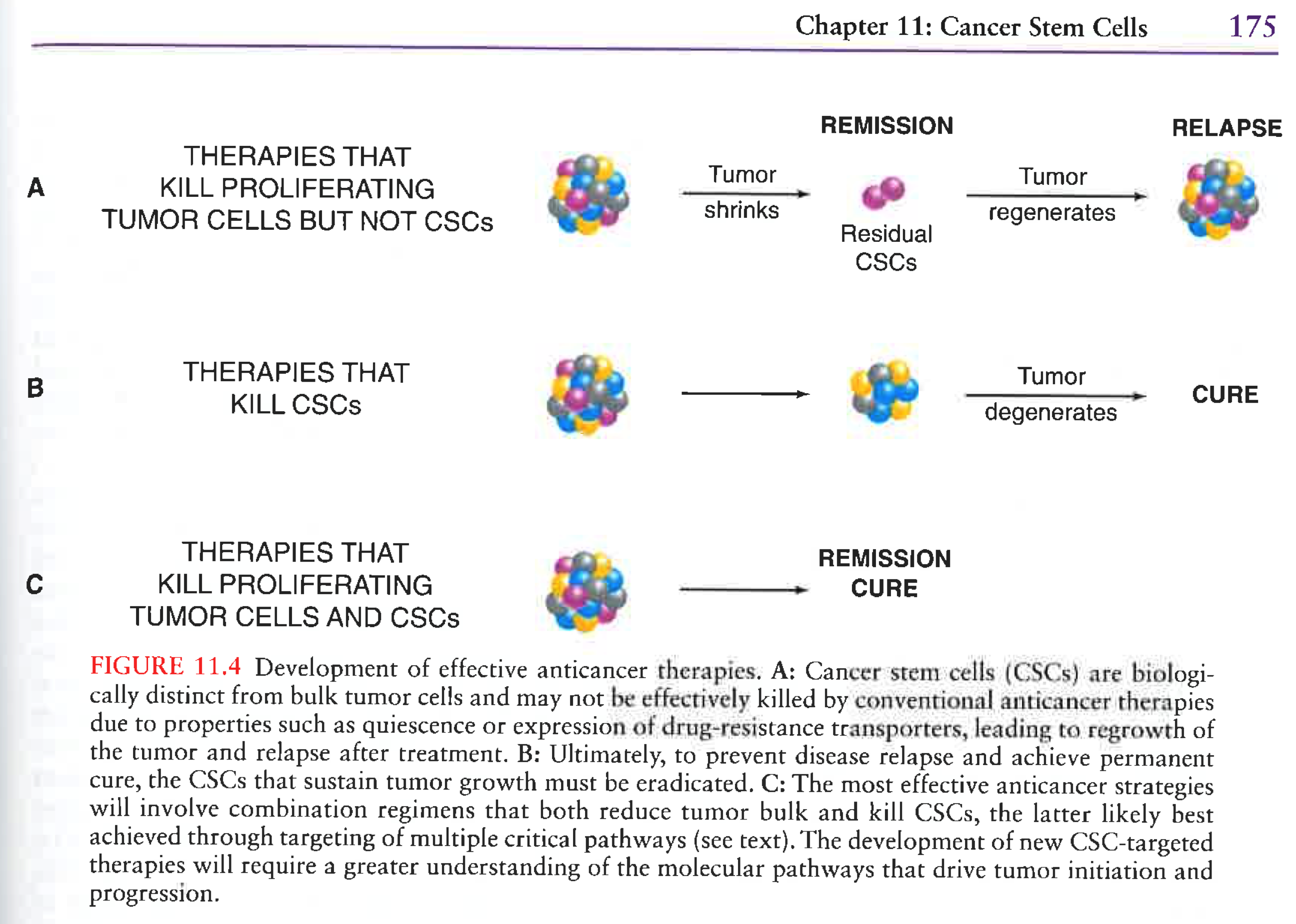
Figure 2.
The Regeneration Mechanism of Circulating Tumor Cells (CTCs) and Circulating Stem Cells (CSCs).
The common misconception is that treatments such as cytotoxic chemotherapy can induce apoptosis in all cancer cells. However, chemotherapy actually increases the chances of cancer reoccurrence by creating chemo resistant CTCs and CSCs.4
Just as bacteria have been evolving to develop antibiotic immunity, cancer cells have been evolving to become chemotherapy resistant. Although chemotherapy agents are administered at extremely high doses, there is no guarantee that all cancer cells are eliminated after multiple rounds of treatment. Remaining CTCs and CSCs can become dormant for long periods of time, but ultimately resurface with a vengeance. New chemoresistant cancer cells thrive in immunosuppressed environments and travel through the blood with ease to initiate cancer cell metastasis.5
Treatments that Effectively Eliminate CTCs and CSCs
Patients with high CTC values are viable candidates for supportive oligonucleotide technique (SOT) treatment; however, in order to use this treatment their tumor burden must be relatively low. SOT therapy uses splice variants from different cancer-associated pre-mRNAs and uses them to induce antagonistic effects that lead to cancer cell apoptosis. However, these treatments are only effective when the burden of cancer cells is relatively low. SOT treatment is individualized for each patient’s genetic makeup and treatments vary based on the type of cancer. Patients who have been successful in SOT treatment have been able to decrease their CTC values significantly; one patient in particular, who was treated at our facility, was able to decrease his CTC count by 82.8% in less than 8 months.
A second form of natural treatment includes natural chemotherapy agents, which induce cancer cell apoptosis naturally. Some of these treatments include homeopathy, vitamin C, ozone therapy, and targeted nutraceuticals. Homeopathy and the Banerji method have shown to be successful in eliminating CTCs and CSCs. Studies conducted in India show regressions between 22% and 32% in the reduction of CTCs. These improvements have been seen in patients with lung, brain, and esophageal cancer in India. Vitamin C is another type of treatment that is converted into hydrogen peroxide, which can be a harmful agent for cancer cells. Cancer cells have also been shown to thrive in anaerobic environments. Treatments such as ozone therapy negatively affect cancer cells by oxygenating them. By doing so, cancer cells are no longer capable of performing anaerobic functions, which ultimately leads to cell death.5 RGCC performs a natural sensitivity panel that Dr. Connealy highly recommends to her patients.
The third way in which individuals can fight their cancers naturally is by improving eating habits. Foods such as leafy greens, ginger, turmeric, blueberries, genistein, cruciferous vegetables, grapefruit, and lavender contain an abundance of enzymes that aid the body’s ability to combat cancer cells. A list of 25 of the most common cancer stem–cell killing foods can be found on the website GreenMedInfo, http://www.greenmedinfo.com/blog/25-cancer-stem-cell-killing-foods-smarter-chemo-radiation.6
The Triple Threat
“Toxic Environment, Toxic Body, Toxic Mind”
The human species has thrived and survived for thousands of centuries by using its innate ability to heal itself. Today, that process has been hindered by the increased amount of exposure to toxic chemicals in the environment. Electromagnetic radiation, genetically modified food, and air pollution are some of the many ways our bodies have been put under increased environmental stress. Epigenetics plays a large role in gene modification. A review of study published in the Oxford journal Carcinogenesis states that global environmental changes and changes in the epigenetic landscape are hallmarks of cancer. Epigenetic changes include DNA methylation, histone modification, nucleosome positioning, and addition of noncoding RNAs. Any of these genetic modifications can be detrimental to the normal function of the cell cycle.11 As discussed earlier, deregulation of the cell cycle is what ultimately causes cancer. Signs of elevated CTCs and even cancer are signs that your body is suffering from a much greater illness or chemical imbalance. Increased sugar intake, bad eating habits, increased stress, irregular sleep cycles, and increased depression or emotional trauma, are all exposures that increase the risk of developing cancer.
Individuals must learn to view their bodies as one entity, not separate parts that make up a whole. One must learn to find the root of the problem and treat the symptoms from the inside out. For example, if a patient is experiencing chronic inflammation in the intestines, it would be counterproductive to only look at gastrointestinal tract. In fact, by only treating the symptoms doctors are completely avoiding the greater “underlying” issue. A knowledgeable physician would look at the patient’s eating habits, stress levels, nutritional deficiencies, and so on. It is only when you have all pieces of the tapestry that you can put together the pieces and look at the product as a whole. A similar analogy can be applied to cancer; it would be ineffective to bombard the tumor with multiple rounds of chemotherapy and not check for remaining circulating tumor cells in the bloodstream. Without checking remaining CTCs, the cancer could very easily metastasize to multiple regions of the body and leave the patient completely helpless. A good physician is a wise physician. Therefore, physicians must learn to make wise choices if they truly want to earn the faith, trust, and hope of their patients.
The discovery of circulating tumor cells has revolutionized the field of cancer medicine. With this discovery, physicians and researchers are able to diagnose the possible presence of cancer before evidence of a tumor, prevent cancer metastasis, and confirm cancer cure and remission. Simply put, cancer can now be detected through the simplicity of a single blood test and cancer remission is possible with CTC monitoring and targeted treatments.
For more information regarding the treatments provided by the Cancer Center for Healing and Leigh Erin Connealy, MD, please visit www.cancercenterforhealing.com.
Notes
-
How does radiation work to treat cancer? [online article]. American Cancer Society. http://www.cancer.org/treatment/treatmentsandsideeffects/treatmenttypes/radiation/radiationtherapyprinciples/radiation-therapy-principles-how-does-radiation-work. Accessed May 31, 206.
-
Rising global cancer epidemic [online article]. American Cancer Society. http://www.cancer.org/research/infographicgallery/rising-global-cancer-epidemic. Accessed May 31, 2016.
-
Demain AL, Vaishnav P. Natural products for cancer chemotherapy. Microb Biotechnol. 2011;4:687–699.
-
Devita VT, Lawrence TS, Rosenberg SA. Cancer Principles & Practices of Oncology: Primer of the Molecular Biology of Cancer. Philadelphia: Lippincott Williams & Wilkins;2001.
-
Edwards T. Weapons of Mass Destruction: What Doctors Don’t Tell You. 2016;32–39.
-
Ji S. 25 Cancer stem cell killing foods smarter than chemo & radiation [online article]. GreenMedInfo. http://www.greenmedinfo.com/blog/25-cancer-stem-cell-killing-foods-smarter-chemo-radiation. Accessed May 31, 2016.
-
Krebs MG, Hou JM, Ward TH, Blackhall FH. Circulating tumour cells: their utility in cancer management and predicting outcomes. Ther Adv Med Oncol. 2010;2:351–365.
-
Lustberg M, Jatana KR, Zborowski M, Chalmers JJ. Emerging Technologies for CTC Detection Based on Depletion of Normal Cells. Recent Results Cancer Res. 2012;195:97–110. doi:10.1007/978-3-642-28160-0_9.
-
Cytotoxic chemotherapy mechanisms of action [Web page]. My Cancer Genome. https://www.mycancergenome.org/content/molecular-medicine/pathways/cytotoxic-chemotherapy-mechanisms-of-action. Accessed May 29, 2016.
-
Screening tests [Web page]. National Cancer Institute. http://www.cancer.gov/about-cancer/screening/screening-tests. Accessed May 31, 2016.
-
Sharma S, Kelly TK, Jones PA. Epigenetics in cancer. Carcinogenesis. 2010;1:27–36.
-
Shyamala K, Girish HC, Murgod S. Risk of tumor cell seeding through biopsy and aspiration cytology. J Int Soc Prev Community Dent. 2014;4(1):5–11. doi:10.4103/2231-0762.129446.








0 Comments