
The Patented Mediator Release Test (MRT): A Comprehensive Blood Test for Inflammation Caused by Food and Food-Chemical Sensitivities
by Mark J. Pasula, PhD
Introduction
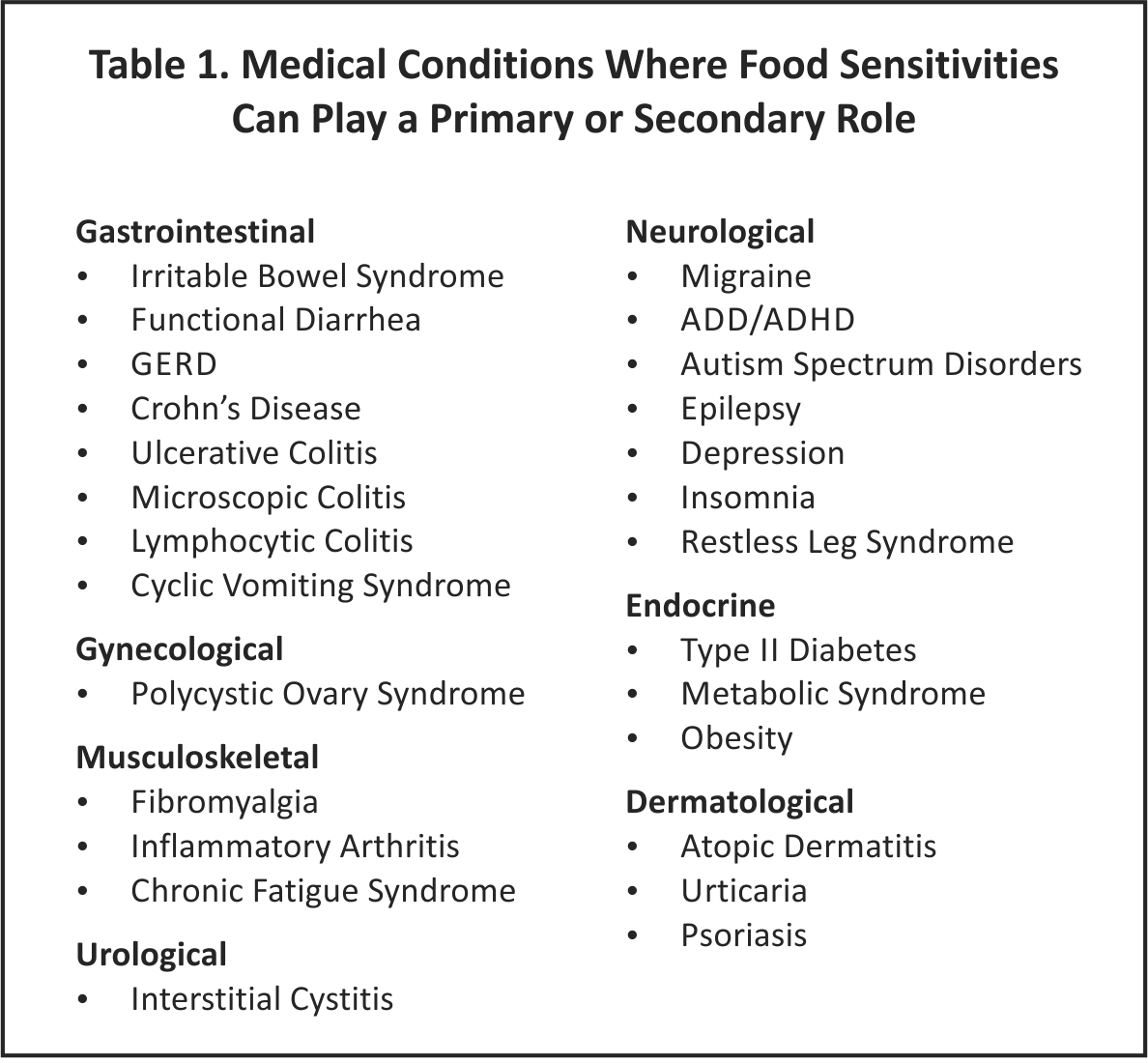
There are a wide range of chronic inflammatory conditions wherein food and food-chemical sensitivities play either a primary or secondary role in generating inflammation and symptoms (Table 1). Fully addressing food sensitivities can have a major impact on the speed and completeness of clinical outcomes. It can also improve the effectiveness of other therapies, as a chronic source of inflammation has been eliminated.
Definition of Food Sensitivity
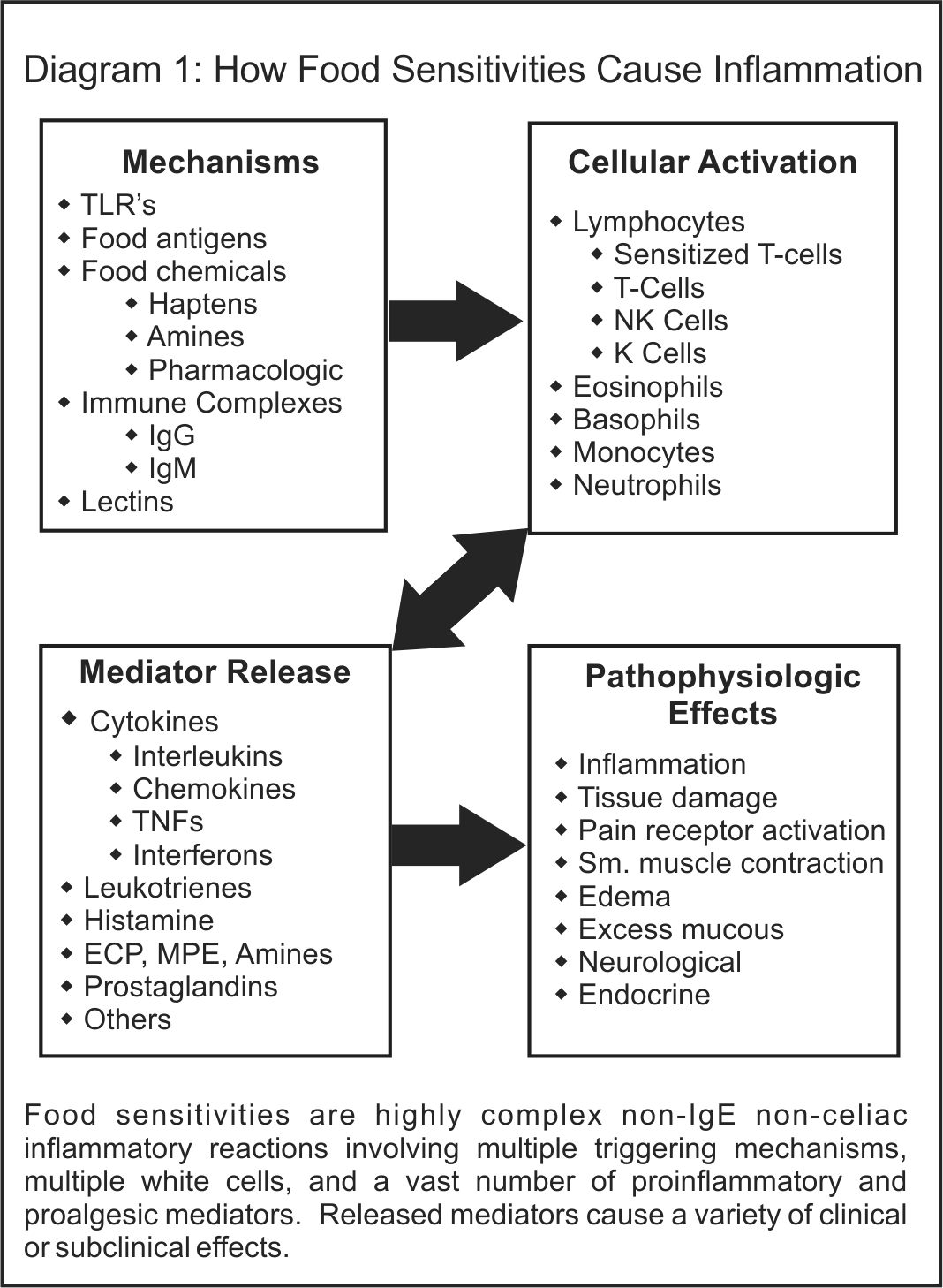
Food sensitivities can be defined as any inflammation-generating reaction against a specific food or food component that does not involve type 1 IgE mediated hypersensitivity or food-related autoimmunity. The inflammatory process associated with food sensitivities is significantly more complex than IgE-mediated food allergy. Multiple triggering mechanisms and pathways, multiple classes of reacting white cells, a vast number of pro-inflammatory mediators, and a wide array of symptoms and conditions make sensitivities a highly complex category of adverse food reaction (Diagram 1).
Innate Immunity Governs Reactions in Gluten Sensitivity
In 2011, Fasano et al. published a study documenting a new type of adverse reaction to gluten, gluten sensitivity (GS). It was established that GS was distinctly different than celiac disease in several important ways:
-
Expression of TLR-2 shows that gluten sensitivity is governed by innate immunity.
-
Gut permeability in GS was significantly less than in both controls and celiac patients.
-
Low to moderate levels of inflammation were detected but no tissue damage was visible.
-
There was less infiltration of intraepithelial lymphocytes.
The historical importance of this study cannot be overstated. Until this study, the innate immune system had been fully ignored by allergy researchers as having any involvement in diet-induced inflammation. Estimates of the prevalence of GS are 6 to 8 times greater than celiac disease, affecting approximately 15 to 20 million Americans.
It is worth noting that the most commonly ordered blood test to help identify culprit food items – food-specific IgG – is a response of the adaptive immune system as is type 4 delayed-type hypersensitivity governed by sensitized T cells (lymphocyte transformation).
It is also worth noting that the clinical presentations of the GS patients in this study (brain fog, joint and muscle pain, headaches, diarrhea, etc.) were consistent with the presentations of food sensitivity sufferers reported for decades. Further research has confirmed the findings of innate involvement in gluten sensitivity.2–4
Inflammation and Symptoms Depend on Mediator Release
All clinical and subclinical effects brought about by food-induced inflammation are the direct result of pro-inflammatory and proalgesic mediator release from various white blood cells. Without the release of histamine, cytokines, prostaglandins, leukotrienes, and so on, there is no tissue damage, no pain receptor activation, no smooth muscle contraction, nor any other negative effect associated with diet-induced inflammation. This is true for any form of food-induced inflammation; that is, food allergy, food-related autoimmunity, or food sensitivity, and whether potential mechanisms are elevated.
Identifying Trigger Foods and Food-Chemicals with Antibodies
Food sensitivity management starts with identification of trigger foods and food-chemicals. Therapy typically involves some form of elimination of offending substances; that is, rotation or avoidance diets. The more precisely practitioners can identify and remove inflammation-generating food items, the greater the clinical value of the method.
Most blood tests designed to identify sensitive foods and food-chemicals are typically limited to either a single mechanism or a specific part of the inflammatory process, which may or may not be involved in actual inflammation and consequently may or may not be clinically relevant. For example, food-specific antibodies other than IgE have not shown a strong correlation with inflammation or symptoms.
IgE, by its function as a trigger of mast cell degranulation in allergy, has an acceptable though not excellent correlation with both the degree of the inflammatory response and the severity of clinical effects. Other antibody tests (IgG, IgM, IgA) have not demonstrated an acceptable correlation with inflammation or clinical symptomatology in adverse food reactions.5–8
The Function of Non-IgE Antibodies
The function of non-IgE food-specific antibodies appears to be related more to the clearing of food antigens and macromolecules via immune complexes, rather than a direct inflammation-producing role. If any, the inflammatory effects of food-specific IgG, IgM, or IgA are more likely the result of factors related to the in vivo environment, such as the production of too many smaller immune complexes or complexes that deposit on tissue, eliciting an aggressive reaction by immune cells. But insight into the sizes of immune complexes or whether they deposit on tissue cannot be gleaned from quantifying how much food-specific IgG, IgA, or IgM is produced. In addition, in IgE-mediated inhalant allergy, elevated levels of allergen-specific IgG have shown anti-inflammatory properties.9,10
Other limitations of non-IgE antibody tests are that they don’t offer testing for food-chemical reactions, an area that is often clinically significant. Thus, the information provided by most commercially available food sensitivity blood tests is of limited clinical value.
White Cells Are an Immunologic End
Point
White cells play a critical role in food-induced inflammation. Neutrophils, monocytes, eosinophils, mast cells, and various lymphocytes release mediators in pathogenic reactions. Neutrophils and monocytes/macrophages are first responders in innate pathways (Figure 1).18–25 Other cells, such as tissue mast cells, eosinophils, and lymphocytes are involved in reactions related to both adaptive and innate pathways. Whether reactions are governed by innate or adaptive pathways, mediator release from white cells are the immunologic “end point” of all food-induced inflammatory reactions.
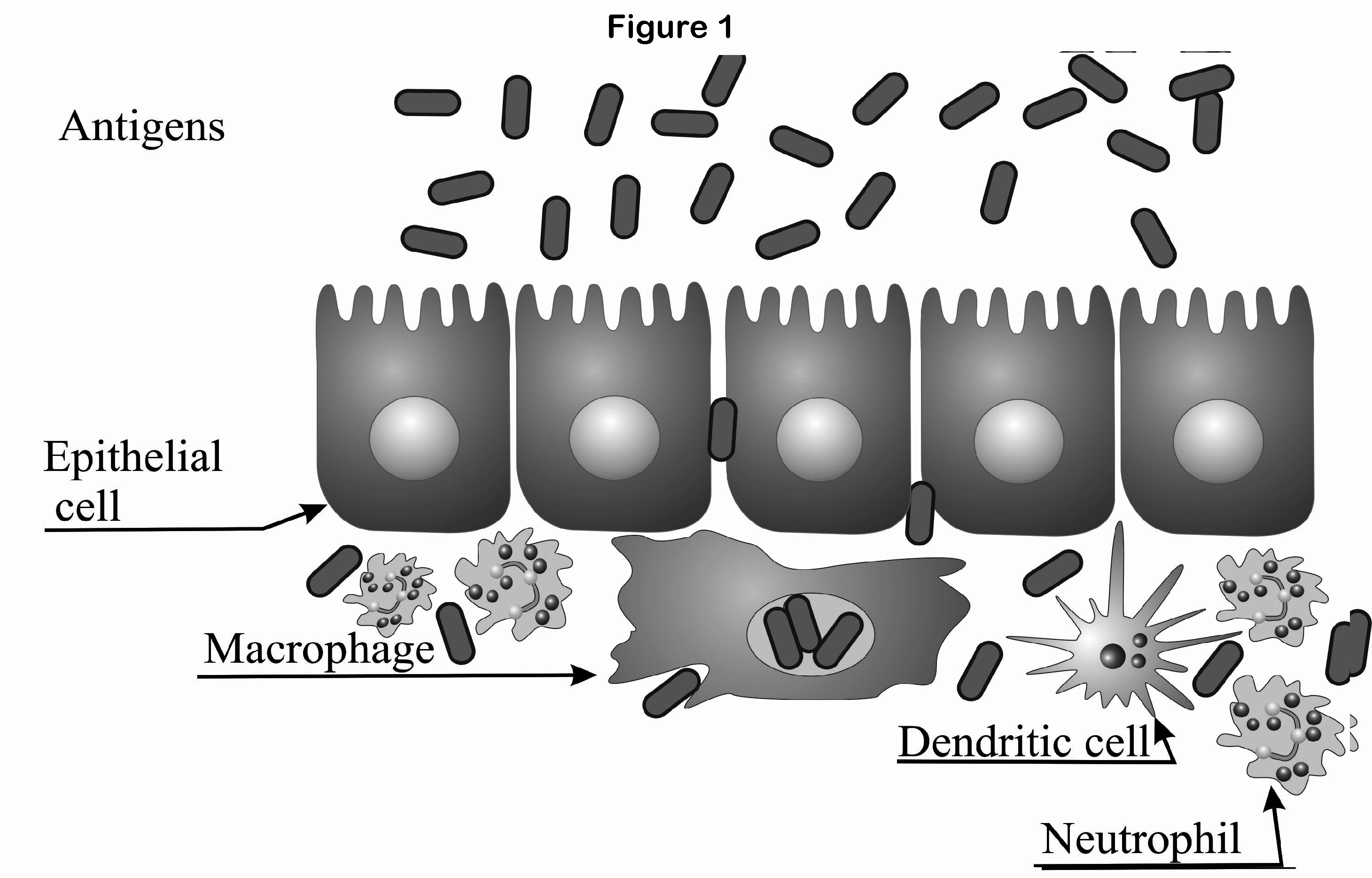
Figure 1 represents a simplified in vivo reaction of cells involved in the innate inflammatory reaction. When “sensitive” food antigens cross the tight junctions, neutrophils and macrophages are typically the first cells to react. They engage in the destruction of offending pathogens/antigens, ultimately releasing various cytokines and other pro-inflammatory mediators.
Elevation of various inflammatory markers (HS-CRP, IL-15, PGE3, etc.) as well as white cell involvement has been documented in many food–sensitivity related conditions. Neutrophils and eosinophils were confirmed active in ulcerative colitis and diarrhea predominant IBS via measurement of myeloperoxidase and eosinophil cationic protein.11 Eosinophils were shown to infiltrate the colon in some cases of chronic constipation.27,28 Killer and natural killer cells were shown to be active in food-induced migraine.14,15
Mediator Release Causes Volumetric Changes in White Cells
During an inflammatory reaction, phagocytic cells identify offending antigen as foreign, attacking and engulfing, and then eliminating the antigen. During that process, whatever cells are involved release cytoplasm and chemical mediators, causing a volumetric change in reacting cells. This is true of all cells whenever they release mediators. Volumetric changes are typically subtle, in the range of 5 to 30 fl. (Figure 2).

Figure 2 shows a peritoneal mast cell degranulating. Release of mediators invariably affects volumetric changes in reacting cells.
The Patented Mediator Release Test (MRT)
The Mediator Release Test (MRT), developed by Oxford Biomedical Technologies, is a new functional blood test designed to identify sensitive foods and food-chemicals. It utilizes two advanced methods of measurement: flow cytometry and ribbon impedance. The MRT is the only blood test in the world that tests cellular end-point reactions to foods, chemicals, and other foreign substances, quantifying the degree of the inflammatory response and simultaneously determining which types of cells are reacting. THE MRT provides the highest therapeutic value of any commercially available food-sensitivity blood test.
The Advantage of Ribbon Impedance over Normal Impedance
The ribbon method is a patented form of impedance-based measurement, developed by Oxford Biomedical Technologies. The ribbon method eliminates the baseline and threshold associated with every other impedance-based sizing technology (see Figure 3).16,17

Figure 3 shows the difference in precision between typical impedance-based counting and sizing technologies which rely on a baseline and threshold and the patented ribbon method, which is able to detect the true volume of each cell.
Impedance-based methods that employ a baseline and threshold have three main shortcomings:
-
They improperly size cells when dissimilar sized particles traverse the aperture near each other.
-
Impedance technologies that rely on a baseline begin their sizing from the level of the threshold, not from the when the actual start of the particle passing through the aperture occurs.
-
They are only capable of measuring size changes (2-D), not volumetric changes (3-D).
The ribbon method is extremely precise, measuring the entire flow of liquid and cells millions of times per second as they pass through the aperture. Because the ribbon identifies the true starting point and ending point of each cell (see Figure 3), it is able to provide a volumetric determination of all tested cells. Incorporation of the ribbon method gives THE MRT superior precision and accuracy over other impedance-based cell sizing methods of food sensitivity testing.
Flow Cytometry Provides Vital Clinical Data
Impedance-based sizing methods cannot differentiate between different types of similar-sized cells (Figure 4). The use of advanced flow cytometry in the MRTIII is another area that helps provide vital clinical information to practitioners. Cytometry allows the measurement of all types of circulating white cells simultaneously (neutrophils, monocytes, eosinophils, lymphocytes). This is important because different types of white cells can act independently of each other.
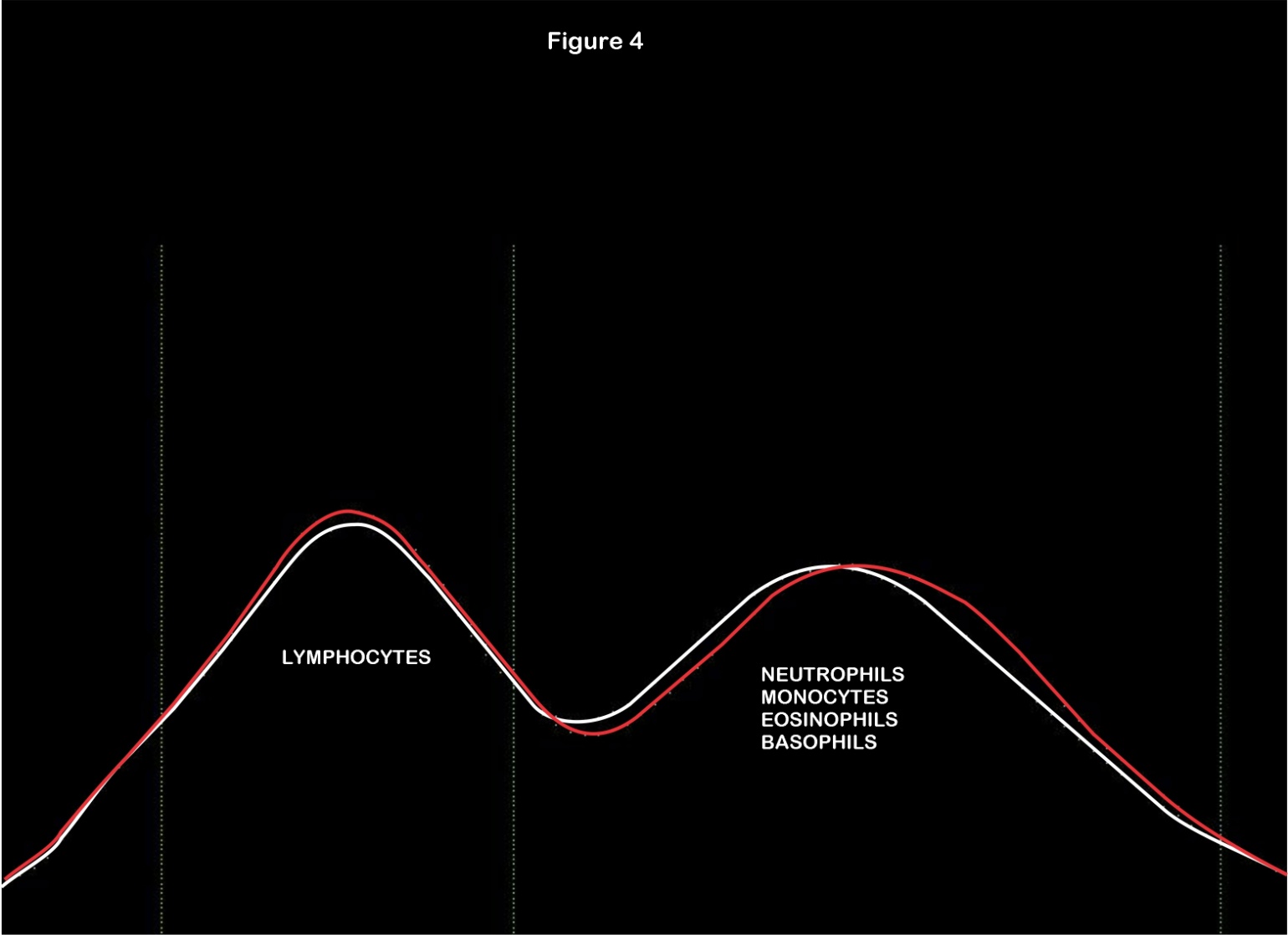
Figure 4 shows where the different cell types are sized using impedance-based sizing methods. Due to very similar sizes of various peripheral granulocytes, impedance-based technologies are incapable of distinguishing between different classes of reacting cells.
For example, monocytes, which comprise 1% to 7% of white cells, can strongly react to an antigen independent of any other group of white cells. So can any group of cells; that is, lymphocytes, neutrophils, eosinophils, and so on.
If neutrophils, which comprise between 55% and 75% of total white cells, have a cumulative 3% reaction (which would be nonreactive) and monocytes have a cumulative 50% reaction (which would be strongly reactive), the clinically significant monocyte reaction would not be recorded as clinically significant because the cumulative reaction of the monocytes is small relative to the total cumulative reaction (or nonreaction) of the neutrophils.
However, because THE MRT can distinguish between reacting groups of cells, it is the only food–sensitivity testing technology that can deliver the most complete picture of cellular reactivity (Figure 5). Thus, THE MRT provides practitioners and their patients the highest level of clinical utility.
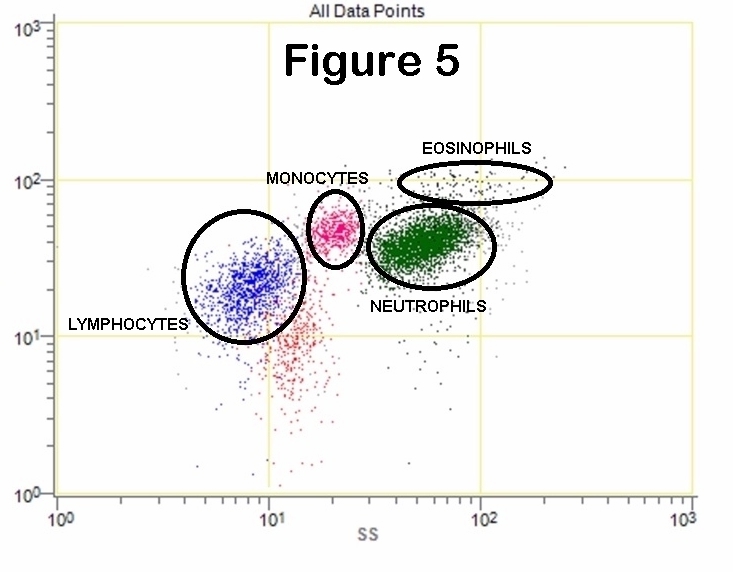
Figure 5 shows that the patented MRT, with the use of flow cytometry, is the only technology able to distinguish between different types of white cell reactions. This provides unparalleled therapeutic information for practitioners.
Advantages of
the MRT over Other Food Sensitivity Tests
The MRT offers several important advantages over other sensitivity-based blood tests:
-
The MRT is a functional measure of sensitivity-based inflammatory responses, not just a measurement of a potential trigger that may or may not have clinical relevance.
-
Because the MRT is an end-point test, it is can account for the widest range of triggering mechanisms involved in sensitivity reactions, including both innate and adaptive pathways.
-
the MRT can test reactions to foods, food-chemicals, and other substances.
-
Because it is a three-dimensional volumetric measurement, the MRT can reliably quantify the degree of the inflammatory response. This is important because the MRT provides insight into dose-dependent reactions and subclinical reactions. These are clinically meaningful but virtually impossible to identify without the MRT.
-
Because the MRT combines patented impedance-based technology with advanced flow cytometry, it is the only food sensitivity blood test that can identify different types of cellular reactions independently and simultaneously (monocytes, neutrophils, eosinophils, lymphocytes). This has great importance as different white cells can react independently and exclusively of each other.
The MRT has overcome most of the immunologic and/or clinical challenges related to identification of trigger substances. Thus, the MRT provides practitioners and their patients a new level of insight into food-induced inflammatory processes that will improve therapeutic outcomes and make the designing of anti-inflammatory eating plans easier and more clinically effective.
Notes
-
Sapone A, Lammers KM, Casolaro V, et al. Divergence of gut permeability and mucosal immune gene expression in two gluten-associated conditions: celiac disease and gluten sensitivity. BMC Med. 2011;9:23.
-
Carroccio A, Mansueto P, Iacono G, et al. Non-celiac wheat sensitivity diagnosed by double-blind placebo-controlled challenge: exploring a new clinical entity. Am J Gastroenterol. 2012;107(12):1898–1906.
-
Sapone A, Bai JC, Ciacci C, et al. Spectrum of gluten-related disorders: consensus on new nomenclature and classification. BMC Med. 2012;10:13.
-
Brottveit M, Beitnes AC, Tollefsen S, et al. Mucosal cytokine response after short-term gluten challenge in celiac disease and non-celiac gluten sensitivity. Am J Gastroenterol. 2013 May;108(5):842–850.
-
Australasian Society of Clinical Immunology and Allergy. Unorthodox techniques for the diagnosis and treatment of allergy, asthma and immune disorders. Position statement [Web page]. ASCIA. http://www.allergy.org.au/pospapers/unorthodox.htm.
-
Allergy Society of South Africa. Position statement [online document]. http://www.mm3admin.co.za/documents/docmanager/8e7be0a4-2b8d-453f-875e-cd1e5132b829/00015032.pdf.
-
National Institute of Allergy and Infectious Disease. Guidelines for the Diagnosis and Management of Food Allergy in the United States. Available at http://www.niaid.nih.gov/topics/foodallergy/clinical/Pages/default.aspx.
-
Carr S, Chan E, Lavine E, Moote W, et al. CSACI position statement on the testing of food-specific IgG. Allergy Asthma Clin Immunol. 2012;8:12. Available at http://www.aacijournal.com/content/8/1/12.
-
Nimmerjahn F, Ravetch J. The anti-inflammatory activity of IgG: the intravenous IgG paradox. J Exp Med. January 16, 2007;204(1):11–15
-
Strait R, Morris S, Finkelman F. IgG-blocking antibodies inhibit IgE-mediated anaphylaxis in vivo through both antigen interception and FcRIIb cross-linking. J Clin Invest. 2006;116(3):833–841.
-
Kristjansson G, Venge P, Wanders A, Loof L, Hallgren R. Clinical and subclinical intestinal inflammation assessed by the mucosal patch technique: studies of mucosal neutrophil and eosinophil activation in inflammatory bowel diseases and irritable bowel syndrome. Gut. 2004 Dec;53(12):1806–1812
-
Santos J, Bayarri C, Saperas E, et al. Characterisation of immune mediator release during the immediate response to segmental mucosal challenge in the jejunum of patients with food allergy. Gut. 1999;45(4):553–558.
-
Anderson JA. Mechanisms in adverse reactions to food: The brain. Allergy. 1995;50(20 Suppl):78–81.
-
Munno I, Centonze V, Marinaro M, et al. Cytokines and migraine: increase of IL-5 and IL-4 plasma levels. Headache. 1998;38(6):465–467.
-
Martelletti P, Sutherland J, Anastasi E, Di Mario U, Giacovazzo M. Evidence for an immune-mediated mechanism in food-induced migraine from a study on activated T-cells, IgG4 subclass, anti-IgG antibodies and circulating immune complexes. Headache.1989;29(10):664–670.
-
Pasula M, Nowak J. Particle size measurement in suspensions: Part 1 – A laboratory method for exploring food allergies and sensitivities in illness. Am Clin Lab. 1999;18(4).
-
Pasula M. American clinical laboratory. Particle size measurement in suspensions: Part 2 – An in vitro procedure for screening adverse reactions to foods and chemicals. Am Clin Lab. 1999;18(9).
-
Parihar, A. Eubank, T. Doseff, A. Monocytes and macrophages regulate immunity through dynamic networks of survival and cell death. J Innate Immun. 2010;2(3):204–215.
-
Smythies L, Sellers M, Clements R, et al. Human intestinal macrophages display profound inflammatory anergy despite avid phagocytic and bacteriocidal activity. J Clin Invest. 2005;115(1):66–75.
-
Kantari, C. Pederzoli-Ribeil, M. Witko-Sarsat, V. The role of neutrophils and monocytes in innate immunity. Contrib Microbiol. 2008;15:118–146.
-
Chiba T, Umegaki K. Pivotal roles of monocytes/macrophages in stroke. Mediators Inflamm. 2013. Article ID 759103. doi:10.1155/2013/759103.
-
Fournier, B. Parkos, C. The role of neutrophils during intestinal inflammation. Mucosal Immunol. 2012;5(4):354–366.
-
Beisner J, Stange E, Wehkamp J. Innate antimicrobial immunity in inflammatory bowel diseases. Expert Rev Clin Immunol. 2010;6(5):809–818.
-
Pillay J. Dual role of neutrophils in inflammation [dissertation]. Utrecht University; 2011.
-
Basran A, Jabeen M, Bingle L, et al. Roles of neutrophils in the regulation of the extent of human inflammation through delivery of IL-1 and clearance of chemokines. J Leukoc Biol. 2013;93(1):7–19.
-
King HC. Exploring the maze of adverse reactions to foods. J Ear Nose Throat. 1994;73(4):237–241.
-
Bueno L, Fioramonti J. Effects of inflammatory mediators on gut sensitivity. Can J Gastroenterol. 1999;13 Suppl A:42A–46A. Review.
-
Bischoff SC. Mucosal allergy: role of mast cells and eosinophil granulocytes in the gut. Clin Gastroenterol. 1996;10(3):443–59. Review.
-
Kraehenbuhl JP, Pringault E, Neutra MR. Intestinal epithelia and barrier functions.
Aliment Pharmacol Ther. 1997;11 Suppl 3:3–8; discussion 8–9. Review.
-
Bengtsson U, Nilsson-Balknäs U, Hanson LA, Ahlstedt S. Double blind, placebo controlled food reactions do not correlate to IgE allergy in the diagnosis of staple food related gastrointestinal symptoms. S Gut. 1996;39(1):130–135.
For more information about the MRT and food sensitivities, please visit www.betterbloodtest.com or call 888-669-5327.








0 Comments