
Integrative oncology, in general, refers to the use of a combination of complementary and alternative medicine (CAM) therapies in conjunction with conventional cancer treatments. It has been defined in different ways, but there is no widely accepted definition. For our purposes in this article, I will provide you a couple of definitions below.
1. Integrative oncology is a branch of medicine that utilizes a wide variety of resources to empower patients with information and treatment, involving everything from lifestyle modification to prescriptive therapies. These involve exercise, diet, and nutritional recommendations. It also includes mind-body medicine, spirituality and spiritual practices, natural medicines, homeopathic remedies, body work, counseling, acupuncture, Chinese herbal medicine/traditional Chinese medicine, detoxification, oxidative therapy, orthomolecular medicine, naturopathic remedies and immunotherapy, traditional herbal medicines, ‘Off Label’ prescriptive medications (repurposed drugs), fractioned chemotherapy, metronomic chemotherapy, dose dense chemotherapy, targeted therapies, hormone modulation and/or blockade, pharmaceutical immunotherapies, radiation therapy (including brachytherapy, hyperthermia and proton beam therapy), and general supportive care.
2. The Journal of the National Cancer Institute definition: “Integrative oncology is a patient-centered, evidence-informed field of cancer care that utilizes mind and body practices, natural products, and/or lifestyle modifications from different traditions alongside conventional cancer treatments. Integrative oncology aims to optimize health, quality of life, and clinical outcomes across the cancer care continuum and to empower people to prevent cancer and become active participants before, during, and beyond cancer treatment.”
There is a looming explosion of cancer diagnoses on the horizon. From the aging ‘Baby Boomer’ generation to the ‘lost year’ of cancer screenings due to COVID -19, we face a growing wave of future cancer cases. Advanced stage cancer is one of the most lethal and anxiety-provoking diagnosis anyone can get, and it is growing at a significant rate around the world. It carries with it a high level of morbidity and mortality, not to mention a high financial burden to the patient and our healthcare system.
Even as our knowledge base grows in the field of oncology, we are still struggling with advanced staged cancers. Diagnostically we have been gradually adopting advanced genomic testing of patients and their tumors to better provide personalized treatment plans. We have added numerous targeted therapies, small molecules, Car-T therapy, and immunotherapies to our armamentarium. However, we regularly rely on more ‘old school’ chemotherapy that has been in use for over 80 years. Patients often fear the effects of chemotherapy and look outside the box for other options that may be less caustic. One of the biggest problems that comes from the realm of cancer drug development is that the development of brand-new drugs is a long, complicated, and costly process; and there is no guarantee that the drug will be successful and/or tolerable.
One solution that has been explored and utilized by integrative practitioners and oncologists has been the use of repurposed medications and natural supplements. Drug repurposing is the idea of using an already approved drug for another disease or disorder away from its initial indication. Medication repurposing of approved non-chemotherapy drugs is an effective strategy to develop new therapeutic options for the treatment of cancer patients, with potentially fewer side effects and at a more affordable cost. Drug repurposing identifies new ways for the use of already FDA-approved and/or investigational drugs.
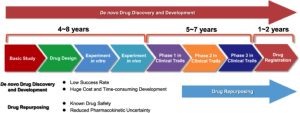
Concordantly, the Right to Try Act was signed into law in the United States on May 30, 2018. This law is another way for patients who have been diagnosed with life-threatening diseases like advanced stage cancer, who have tried all approved treatment options without satisfactory response, and who are unable to participate in a clinical trial to access certain unapproved, experimental and/or investigational treatments.
Several drugs across numerous pharmacological categories have displayed potential anti-cancer activity in laboratory and clinical studies by regulating several key molecular mechanisms and oncogenic pathways in human cancer and cancer cell lines. Even though many of these medications have been through clinical trials and are mostly FDA approved, they may not have the indication for ‘anti-cancer’ purposes. We will focus on several of these medications, including anti-diabetic drugs, cholesterol medication, antibiotics, and antifungals.
In the world of naturopathic medicine there exists a long list of herbs, extracts, hormones and vitamins that have been used in the prevention, support, and treatment of the cancer patient. For the purposes of this article, we will review a few of the clinically relevant substances.
Many of these natural therapies are safe and complementary to standard medical interventions.
As always, we encourage our readers to work closely with their integrative physicians, oncologists, surgeons, and radiation oncologists, as we feel it takes a village to provide the best possible care to the cancer patient.
Due to the breadth and depth of this topic, we will review some of the more popular medications and natural remedies being used by integrative oncologists in the US and abroad.
Below we have listed them and will discuss some of their background and potential mechanisms of action in regard to cancer therapy.
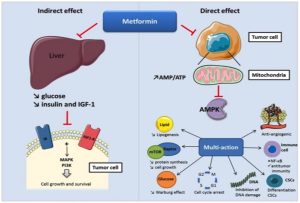
Metformin: Let’s start with one of the most well-known repurposed medications for supporting the cancer patient. That drug is metformin, a biguanide, which is used as a first-line oral agent for the treatment and prevention of type 2 diabetes mellitus. Metformin has been used in many studies as a single agent or in combination with other drugs for treatment as well as prevention of cancer. Metformin is known to have an antitumor effect through activation of the 5’ adenosine monophosphate-activated protein kinase (AMPK) signaling pathway, the EMT signaling pathway, via epigenetic modification and possible immune modulation.1 Metformin may also decrease the amount of circulating insulin and decrease the risks associated with insulin resistance, diabetes and cancer.2 By lowering circulating insulin there is a decreased anabolic drive for some cancers that over express IGF-1 and insulin receptors.3-5
Doxycycline: Doxycycline is used to treat infections caused by bacteria. It is in a class of medications called tetracycline antibiotics. Doxycycline can stop the growth of bacteria by allosterically binding to the 30S prokaryotic ribosomal unit during protein synthesis. Its mechanism of action in cancer cells and cancer stem cells is just becoming elucidated. In the pancreatic cancer stem cell model, it appears that doxycycline inhibits the FAK/PI3K/AKT pathway and significantly inhibited migration and invasion ability of pancreatic cancer cells.6,7 Further research evidence suggests that doxycycline had synergistic effects with cisplatin, oxaliplatin, 5-FU, sorafenib, and gemcitabine. Dosing is 100 mg a day and can be taken in a month on month off fashion with some of the anti-helminthic repurposed medications. It is important to also regularly use prebiotics and probiotic while taking this antibiotic.
Ivermectin: Initially, the antiparasitic drug ivermectin was approved in humans back in late 1980s to treat onchocerciasis, also known as river blindness, caused by the blackfly-transmitted parasite Onchocerca volvulus in poor populations around the equator.
Research demonstrates that ivermectin exerts antitumor effects in different types of cancer. Ivermectin interacts with several targets, including the multidrug resistance protein (MDR), the Akt/mTOR and WNT-TCF pathways, the purinergic receptors, PAK-1 protein, certain cancer-related epigenetic deregulators such as SIN3A and SIN3B, RNA helicase, chloride channel receptors and preferentially target cancer stem-cell like populations.8,9 Through the PAK-1 protein, ivermectin can induce autophagy (which is the self-eating cell death process). Ivermectin induces caspase-dependent apoptosis, which has two pathways an intrinsic and extrinsic one. Both ultimately lead to cancer cell suicide. Ivermectin inhibits mitochondrial respiration by decreasing the activity of respiratory complex I enzyme. For many patients with healthy livers, ivermectin can be introduced alongside other chemotherapeutics and treatment programs as an adjunct anti-cancer therapy.10 Also of interest, ivermectin is currently being looked at strongly as an agent to treat and possibly prevent COVID-19. Dosing may vary between 150-200 mg/kg and given on an intermittent or pulsed schedule.
Atorvastatin: Atorvastatin is a synthetic hydroxymethylglutaryl coenzyme A (HMG-CoA) reductase inhibitor. Atorvastatin reduces levels of total cholesterol, low-density lipoprotein (LDL)-cholesterol, triglycerides, and very low-density lipoprotein (VLDL)-cholesterol and increases high-density lipoprotein (HDL)-cholesterol (which is cardioprotective). It is commonly used in adult primary care and by cardiologists to treat elevated cholesterol and dyslipidemia. Large data pools were analyzed recently due to the thoughts that statin use may cause cancer or contribute to cancer progression. The analysis found that statin use was not associated with increased risk and that the use of statins was significantly associated with a reduction of mortality in colorectal cancer patients. Several mechanisms responsible for anticancer effect in colorectal cancer patients were the induction of apoptosis by down-regulating anti-apoptotic proteins, inhibition of cellular proliferation, or inhibition of angiogenesis.11 This statin also triggered autophagy (cancer cell self-eating) in cervical cancer tumor xenografts. Dosing of this medication ranges from 20-80 mg. Labs need to be closely monitored; the side effects of myositis and general muscle soreness is the usual reason this medicine is stopped. Also of note, it may be necessary to use CoQ10 as a supplement as these statins can deplete this coenzyme.
Mabendazole/Albendazole: Mebendazole is a broad-spectrum anti-helminthic drug, in the same class as albendazole, flubendazole, oxfendazole, and fenbedazole. Anti-parasitic action of azoles is due to their action as a microtubule-disrupting agent acting to prevent the signaling of growth and maturation of tubulin in the gut of helminths, causing the parasites to die.
Tubulin is vital to cell division and is therefore a cancer target for several chemotherapy drugs, including paclitaxel, colchicine, and vincristine.12,13 Dosing can range from 100-200 mg orally, and this medicine is best tolerated when taken with food.
Niclosamide: Niclosamide is an FDA‑approved anti-helminthic drug and may elicit antineoplastic effects through direct STAT3 (Signal transducer and activator of transcription 3)
inhibition. The STAT3 signaling pathways regulate the gene expression of proliferation, survival, migration and invasion, as well as angiogenesis that supports the growth of cancer cells and tumors. This anit-helminthic drug may also help checkpoint immunotherapy work better in non-small cell lung cancer.14,15 Dosing ranges from 1500-4500 mg per day.
Artemisinin: Artemisinin and its derivatives are commonly used anti-malarial drugs that have been shown to have anti-neoplastic properties. Artesunate is a semi-synthetic derivative of artemisinin that comes from the Chinese herb sweet wormwood. Artesunate has been proven as an effective cytotoxic agent against ovarian, breast, colon, melanoma, leukemia, renal, and prostate cancer cell cultures. Artesunate can also induce apoptosis in a variety of cancer cell lines. Artesunate prompts cell cycle arrest in the G2/M phase by increasing the expression of the initiator of autophagy, specifically Beclin 1.16 Some evidence suggests that artesunate may cause cell cycle arrest and apoptosis in some breast cancer cell lines, including triple negative breast cancer.17 The low toxicity profile and long history of use of artemisinin for malaria world-wide make this substance and its derivatives a very interesting source of anti-cancer therapeutics.18 Dosing varies based on oral or IV administration.
Melatonin: Melatonin is a ‘sleep hormone’ and neurotransmitter released by the pineal gland. It is also a highly efficient antioxidant. It is one of the prime regulators of our circadian rhythm and sleep. Melatonin has been ascribed anti-inflammatory, immunomodulatory, pro-apoptotic, anti-proliferative, and anti-angiogenic properties that make it a powerful antitumor agent. One effect that is garnering interest is melatonin’s ability to modulate inflammation and free radical expression through epigenetic on and off mechanisms. The actions of melatonin are primarily mediated by the G-protein coupled MT1 and MT2 receptors. The oncostatic action of melatonin is through multiple actions, including upregulation of apoptosis, the arrest of the cell cycle, inhibition of metastasis, and antioxidant activity.18-20 Beyond supporting healthy sleep this molecule appears to have a wide variety of direct and indirect effects on cancer. Dosing usually starts low (3-5 mg) taken right before bedtime, then it can be increased slowly as tolerated and tapered up to 240 mg or higher. Dosing can be split up over the day as it increases and as is tolerated.
Milk Thistle: Milk thistle/Silymarin (Silybum marianum) has been traditionally used in medicine, particularly in the treatment of liver diseases. Silimarin has been demonstrated to “inhibit cell proliferation and to induce apoptosis, while also having anti-angiogenic properties.” The induction of apoptosis in cancer cells has been mediated by the involvement of cellular stress. Milk thistle has the potential to operate as a STAT3 inhibitor as well as an inhibitor of the upregulation of the PD-L1 protein, that can allow the cancer to hide from the immune system, which has been the target of some checkpoint inhibitors. These influences may prevent cancer cell growth and immune system evasion.21 Silimarin appears to work on epithelial-mesenchymal transition (EMT) regulators, whereby epithelial cells are converted into mesenchymal cells, which are frequently activated during cancer invasion and metastasis—thus being a promising therapy for certain cancers, including non-small cell lung cancer. It has also been documented to suppress cancer cells by means of down-regulating actin cytoskeleton and PI3K/Akt molecular pathways. Silymarin has been shown to help sensitize cancer cells to chemotherapy, and silymarin may also reduce the toxic effects of chemotherapy on vital organs or on healthy cells.18,22 Hyperactivation of PI3K signaling cascades is one among the most ordinary events in human cancers. Dosing ranges from 1,000-3,000 mg per day.
Berberine: Berberine is an isoquinoline alkaloid extracted from the root, rhizome, and stem of Rhizoma coptidis. Berberine contributes to cell death by inducing cancer cell apoptosis through different mechanisms. Berberine contributes through multiple mechanisms to the inhibition of metastasis and cell invasion.18 Berberine decreases insulin resistance through upregulation of insulin receptor expression in normal cells. Obesity, insulin resistance, and type 2 diabetes (T2D) increase the prevalence and worsens the prognosis of more than a dozen different cancer types. Berberine appears to also provide protection for patients receiving radiation therapy. Several signaling pathways are affected by berberine, including the MAP (mitogen-activated protein) kinase and Wnt/β-catenin pathways, which are critical for reducing cellular migration and sensitivity to various growth factors involved in promoting cancer cell proliferation.23 Dosing ranges from 1,000-3,000 mg when taken orally.
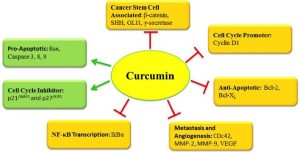
Curcumin: Curcumin, a polyphenol extracted from the rhizomes of Curcuma longa, also known as turmeric, belongs to the most promising group of bioactive natural compounds, especially in the treatment of several cancer types. Curcumin has a variety of pharmacological effects such as antioxidant, anti-cancer, anti-inflammatory, and anti-microbial activities. Anti- cancer effects of curcumin are due to targeting of a wide range of cellular and molecular pathways involved in cancer pathogenesis, including NF-kB, MAPK, PTEN, P53, and microRNAs (miRNA) network.18,24 Curcumin extract taken orally can be dosed from 800-8,000 mg per day. IV curcumin has been used when in a liposomal delivery form, and those doses are usually much lower.
Quercetin: Quercetin is a naturally occurring flavonoid present in many commonly consumed food items. Quercetin glycosides are the dominant flavonoid content that can be found in propolis along with other healthy foods, including onion, broccoli, apple, tea, as well as red wine. Quercetin governs numerous intracellular targets, including the proteins involved in apoptosis, cell cycle arrest, detoxification, antioxidant replication, and angiogenesis. Quercetin may mediate apoptosis through several mechanisms, including mitochondrial disruption, DNA intercalation or down regulation of survival signals like PI3K/Akt and NFkappaB.25 Quercetin has been shown to work well in combination with many chemotherapeutic agents.26-28 Quercetin is a flavonoid with antioxidant properties. The ability of quercetin to exert many beneficial effects on health, including protection against various diseases such as osteoporosis, lung cancer, and cardiovascular disease makes it a flavonoid of great interest amongst integrative practitioners. Dosing varies but ranges between 400-1,600 mg, split up over several doses throughout the day.
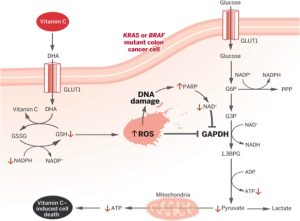
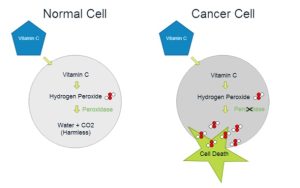
Vitamin C (Ascorbic acid): Knowledge regarding the pharmacokinetic properties of ascorbic acid or vitamin C, has in recent preclinical studies, sparked interest in the utilization of high-dose vitamin C for cancer treatment. Studies have shown that pharmacological vitamin C (doses given intravenously) targets many of the mechanisms that cancer cells utilize for their expansion and survival. The main components of ascorbate-induced cell death are DNA double-strand breaks via the production of hydroxyl radical (H2O2) and ATP depletion due to the activation of poly (ADP-ribose) polymerase 1.7,29,30 Some early animal studies have shown a synergy with some immunotherapy checkpoint inhibitors.31 Due to the general safety and tolerance of this vitamin, there is much excitement about its use alone and in conjunction with other modalities such as chemotherapy and CAM therapeutics. Dosing of vitamin C given intravenously can range from 60-100 grams over several hours.
Vitamin D: A low vitamin D status is associated with an increased risk of various cancers, such as of colon, breast, prostate and hematological cancers. Several epidemiological studies have suggested that ultraviolet-B exposure can help reduce cancer risk and prevalence, indicating a potential role for vitamin D as a feasible agent to prevent cancer incidence and recurrence.
vitamin D stimulates the innate immune system in fighting more efficiently against bacterial infections, such as tuberculosis, while it prevents overreactions of the adaptive immune system that may cause autoimmune diseases, such as multiple sclerosis. Some of the strongest research evidence suggests it may play a role in cancer prevention.32 There have been two randomized controlled trials using vitamin D and calcium that found a beneficial effect in reducing cancer incidence. One showed a clear relationship with supplemental vitamin D reducing the relative risk of breast cancer in post-menopausal women while the other from data from the Women’s Health Initiative study showed a significant decrease in breast cancer risk in vitamin D supplemented participants.33,34 Dosing really is individualized to keep serum levels between 70-100 ng/ml and usually requires it be taken with K2 in order to maintain calcium homeostasis.
Our efforts in the field of integrative oncology have always been to focus on the personalization of care. By providing individualized and patient-focused care, we believe that outcomes for both quality of life and length of life can be improved. Many people have put off their preventative cancer screenings (colonoscopies, physical exams, etc.) over this past year due to COVID-19. We in the field of integrative medicine feel prevention and early intervention is critical in taming the beast that is cancer.
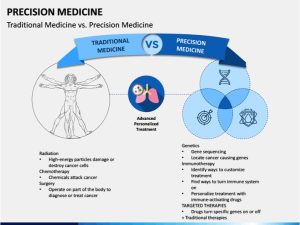
As we enter the era of precision medicine with our eyes on the horizon, we see molecular technologies like CRISPR Cas-9, personalized cancer vaccines, novel small molecules and individualized targeted therapies and the newly discovered Retron Library Recombineering (RLR) gene editing tool, offering hope to those who develop cancer in the future. Like many things in this world, the future is never clear; however, this is an exciting time and some of that excitement comes in the form of repurposed medications and CAM therapies for the treatment of cancer. By integrating some of these tools into oncology practices today, it might be possible to increase treatment efficacy and improve response rates for patients with a wide array of cancer types. If you or someone you know is interested in using some of these tools to address a cancer diagnosis, please consult with your primary physician, oncologist, and integrative oncologist to learn more. Never attempt to self-diagnose or self-treat any illness, including cancer, by yourself. Cancer is a complex illness and requires a team of experts to accurately diagnose and treat.
Reference List:
1.) Metformin: current clinical applications in nondiabetic patients with cancer, Kailin Chen, Yajun Li, Zhen Guo, Yong Zeng, Wei Zhang, and Hui Wang. Aging, 2020 Feb 29; 12(4): 3993–4009.
2.) Mechanisms of metformin inhibiting cancer invasion and migration, Yong Chang Chen, He Li and Jing Wang, American Journal of Translational Research, 2020; 12(9): 4885–4901.
3.) Mechanistic Links between Obesity, Insulin, and Cancer, Rachel J. Perry, Gerald I. Shulman,
Trends Cancer. 2020 February; 6(2): 75–78
4.) Doxycycline Inhibits Cancer Stem Cell-Like Properties via PAR1/FAK/PI3K/AKT Pathway in Pancreatic Cancer, Huijuan Liu 1, Honglian Tao, Hongqi Wang, Yuyan Yang, Ru Yang, Xintong Dai, Xiujuan Ding, Haidong Wu, Shuang Chen, and Tao Sun. Frontiers in Oncology, February 11th 2021.
5.) Vitamin C and Doxycycline: A synthetic lethal combination therapy targeting metabolic flexibility in cancer stem cells (CSCs), Ernestina Marianna De Francesco, Gloria Bonuccelli, Marcello Maggiolini, Federica Sotgia and Michael P. Lisanti, Oncotarget, 2017 Sep 15; 8(40): 67269–67286.
6.) Insulin Resistance and Cancer Risk: An Overview of the Pathogenetic Mechanisms
Biagio Arcidiacono,1 Stefania Iiritano,1 Aurora Nocera,1 Katiuscia Possidente,1 Maria T. Nevolo,1 Valeria Ventura,1 Daniela Foti,1,2 Eusebio Chiefari,1 and Antonio Brunetti
Journal of Diabetes Research, June 2012
7.) The multitargeted drug Ivermectin: from an antiparasitic agent to a repositioned cancer drug, Mandy Juarez, Alejandro Schcolnik-Cabrera, and Alfonso Dueñas-Gonzalez, American Journal of Cancer Research, 2018; 8(2): 317–331.
8.) Ivermectin as an inhibitor of cancer stem‑like cells, Guadalupe Dominguez‑Gomez, Alma, Chavez‑Blanco, Jose Luis Medina‑Franco, Fernanda Saldivar‑Gonzalez, Ytzel, Flores‑Torrontegui, Mandy Juarez, José Díaz‑Chávez, Aurora Gonzalez‑Fierro and Alfonso Dueñas‑González, Molecular Medicine Reports, December 8, 2017, pgs 3397-3403
Targets and Mechanisms of Berberine, a Natural Drug with Potential to Treat Cancer with Special Focus on Breast Cancer, Parham Jabbarzadeh, Kaboli, AsmahRahmat, PatimahIsmail, King-Hwa Ling, European Journal of Pharmacology, Volume 740, 5 October 2014, Pages 584-595
8.) Curcumin and Cancer, Antonio Giordano and Giuseppina Tommonaro, Nutrients, 5 October 2019
9.) Targeting cancer vulnerabilities with high-dose vitamin C, Bryan Ngo Justin M. Van Riper, Lewis C. Cantley & Jihye Yun, Nature Reviews Cancer volume 19, pages 271–282(2019)
10.) Naturopathic Oncology, An Encyclopedic Guide for Patients & Physicians, Neil McKinney. BSc, ND
11.) High-dose Vitamin C enhances cancer immunotherapy, Magri A.; Germano G.; Lorenzato A.; Lamba S.; Chila R.; Montone M.; Amodio V.; Ceruti T.; Sassi F.; Arena S.; Abrignani S.; D’Incalci M.; Zucchetti M.; Di Nicolantonio F.; and Bardelli A. Science Translational Medicine. 12(532):, FEBRUARY 26, 2020
12.) Molecular Link between Vitamin D and Cancer Prevention, Meis Moukayed and William B. Grant, Nutrients 2013, 5(10), 3993-4021
13.) Quercetin in Cancer Treatment, Alone or in Combination with Conventional Therapeutics? Ana Filipa Brito, Marina Ribeiro, Ana Margarida Abrantes, Ana Salomé Pires, Ricardo Jorge Teixo, José Guilherme Tralhão and Maria Filomena Botelho, Current Medicinal Chemistry, 2015, 22, 3025-3039
14.) High-Dose Vitamin C in Advanced-Stage Cancer Patients, Anna Zasowska-Nowak, Piotr Jan Nowak and Aleksandra Ciałkowska-Rysz, Nutrients 2021, 13, 735
15.) Insulin Resistance and Cancer Risk: An Overview of the Pathogenetic Mechanisms, Biagio Arcidiacono,1 Stefania Iiritano,1 Aurora Nocera,1 Katiuscia Possidente,1 Maria T. Nevolo,1 Valeria Ventura,1 Daniela Foti,1,2 Eusebio Chiefari,1 and Antonio Brunetti. Journal of Diabetes Research, June 2012
16.) Progress in Understanding the Molecular Mechanisms Underlying the Antitumour Effects of Ivermectin, Jian Liu, Kun Zhang, Lin Cheng, He Zhu and Tianmin Xu, Drug Design, Development and Therapy. 285-296 2020
17.) Silimarin and Cancer, Liakopoulou, Christina; Kazazis, Christos; Vallianou, Natalia G. Anti-Cancer Agents in Medicinal Chemistry, Volume 18, Number 14, 2018, pp. 1970-1974(5)
18.) The anti-malarial drug artesunate causes cell cycle arrest and apoptosis of triple-negative MDA-MB-468 and HER2-enriched SK-BR-3 breast cancer cells, Anna L. Greenshields, Wasundara Fernando, David W. Hoskin, Experimental and Molecular Pathology, Volume 107, April 2019, Pages 10-22.
19.) Artemisinin and its derivatives: a promising cancer therapy, Bushra Hafeez Kiani, Waqas Khan Kayani, Asma Umer Khayam, Erum Dilshad, Hammad Ismail, Bushra Mirza, Molecular Biology Reports, 15 July 2020
20.) Quercetin and Cancer: New Insights into its Therapeutic Effects on Ovarian Cancer Cells, Asma Vafadar, Zahra Shabaninejad, Ahmad Movahedpour, et al. Cell & Bioscience, 10:32 2020
21.) Quercetin in Cancer Prevention and Therapy, Salvatore Chirumbolo, PhD, Integrative Cancer Therapies12(2) 97 –102, 2012.
22.) Quercetin induces apoptosis and cell cycle arrest in triple-negative breast cancer cells through modulation of Foxo3a activity, Lich Thi Nguyen, Yeon-Hee Lee, Ashish Ranjan Sharma, Jong-Bong Park, Supriya Jagga, Garima Sharma, Sang-Soo Lee*, and Ju-Suk Nam, Korean J Physiol Pharmacol 2017;21(2):205-213
23.) Vitamin D and Cancer Survival: Does Vitamin D Supplementation Improve the Survival of Patients with Cancer? Taisuke Akutsu, et al. Current Oncology Reports 22, Article number: 62 2020.
24.) Vitamin D-Induced Molecular Mechanisms to Potentiate Cancer Therapy and to Reverse Drug-Resistance in Cancer Cells, Mariarosaria Negri, Annalisa Gentile, Cristina de Angelis, Tatiana Montò, Roberta Patalano, Annamaria Colao, Rosario Pivonello and Claudia Pivonello. Nutrients, 14 May 2020; Accepted: 11 June 2020; Published: 17 June 2020.
25.) Targeting of oncogenic signaling pathways by berberine for treatment of colorectal cancer Jamal Hallajzadeh, Parisa Maleki Dana, Moein Mobini, Zatollah Asemi, Mohammad Ali, Mansournia, Mehran Shari, Bahman Youse. Medical Oncology (2020) 37:49
26.) Silymarin and Cancer: A Dual Strategy in Both in Chemoprevention and Chemosensitivity, Dominique Delmas, Jianbo Xiao, Anne Vejux and Virginie Aires, Molecules, 25 April 2020
27.) Targeting cancer stem cells by melatonin: Effective therapy for cancer treatment Nazila FathiMaroufi, et al. Pathology – Research and Practice, Volume 216, Issue 5, May 2020
28.) Melatonin and Cancer: A Polyhedral Network Where the Source Matters, Maria-Angeles Bonmati-Carrion, et al. Antioxidants 2021
29.) Mebendazole as a Candidate for Drug Repurposing in Oncology: An Extensive Review of Current Literature, Andrea Emanuele Guerini, et al, Cancers 31 August 2019.
30.) Targeting Cancer Stem Cells with Repurposed Drugs to Improve Current Therapies. Fong D, Christensen CT, Chan MM, Recent Patents on Anti-cancer Drug Discovery, 08 Feb 2021
31.) Niclosamide: Beyond an antihelminthic drug, Wei Chen, et al. Cellular Signalling vol 41, pg 89-96 January 2018
32.) Niclosamide, an antihelmintic drug, enhances efficacy of PD-1/PD-L1 immune checkpoint blockade in non-small cell lung cancer, Fan Luo, et al. Journal for ImmunoTherapy of Cancer 7, 245 (2019)
33.) Statin and Cancer Mortality and Survival: An Umbrella Systematic Review and Meta-Analysis, Gwang Hun Jeong, et al. Journal of Clinical Medicine, 23 January 2020








0 Comments