
This past week, I evaluated a 72-year-old male patient, Sam, with a total testosterone level of 146 ng/dL, consistent with hypogonadism, and a PSA of 1.6 ng/mL.
Here are the key clinical details:
- His urologist palpated a nodule on digital rectal exam (DRE), but given the low PSA, the patient was uncertain about proceeding with a biopsy.
- Noting his significantly low testosterone, I recommended moving forward with further evaluation.
- A 3T multiparametric MRI revealed a PI-RADS 4 lesion, suggesting clinically significant prostate cancer.
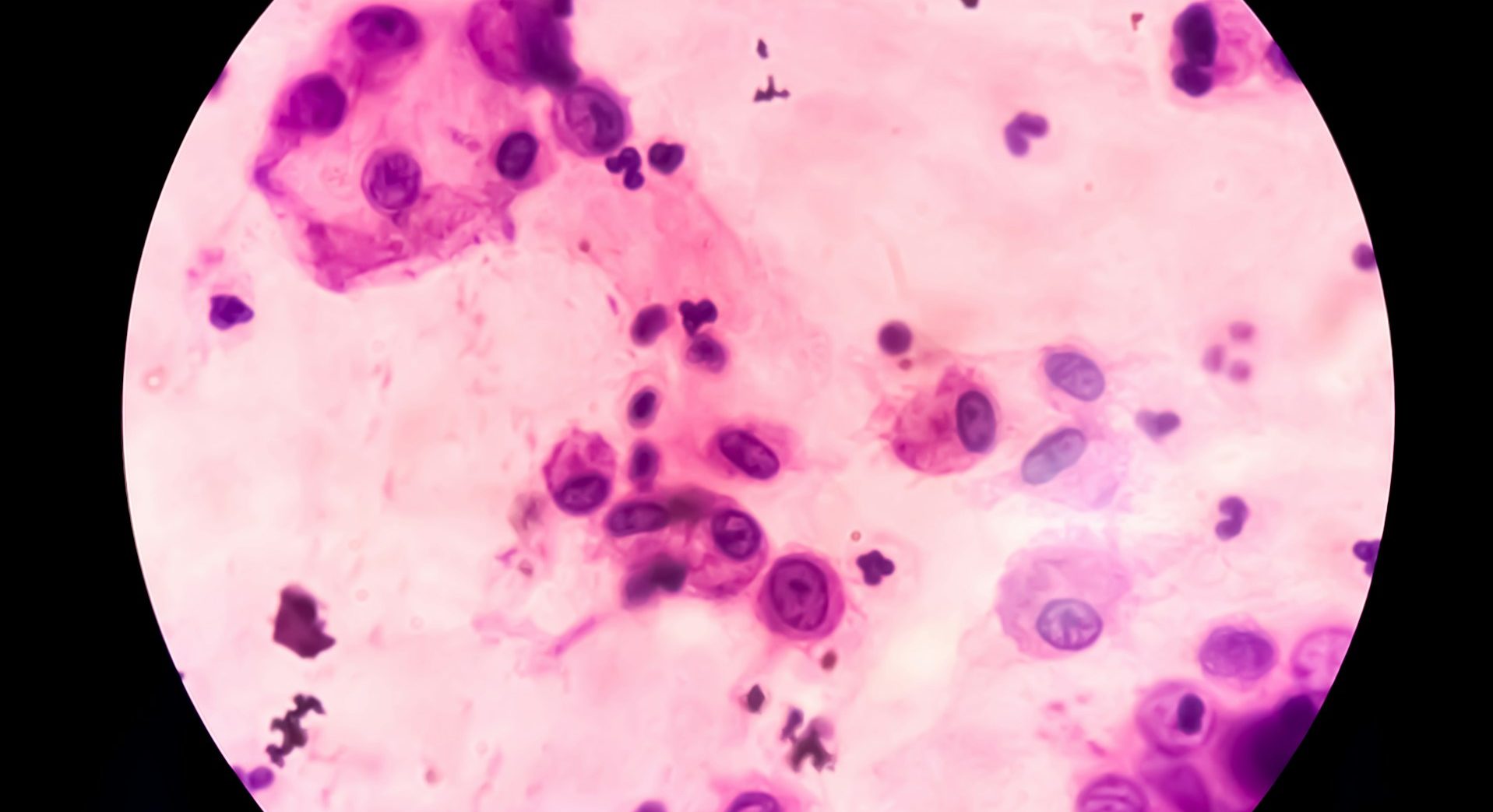
- Subsequent biopsy confirmed Gleason 8 disease in two positive cores.
When screening for prostate cancer (PCa), PSA remains a cornerstone tool—but it can be misleadingly low in men with hypogonadism (testosterone <300 ng/dL). This underrecognized issue may result in false negatives, delaying diagnosis of clinically significant prostate cancer (csPCa, ISUP grade ≥2 or Gleason ≥3+4).
Why PSA Can Be Low Despite Cancer
- Testosterone stimulates PSA production through androgen receptor signaling in prostate tissue. In hypogonadal men, low testosterone suppresses PSA expression, even in the presence of malignancy.1,2
- High-grade tumors (e.g., Gleason ≥8) may produce less PSA per tumor volume, increasing the chance of detection failure.3
Key Data:
- In hypogonadal men with PSA <4 ng/mL, 15% were found to have PCa on biopsy.1
- 12% of men with testosterone <200 ng/dL and PSA <2.5 ng/mL had csPCa.2
- 18% of men with low testosterone and PSA <4 ng/mL had high-grade tumors.3
- TRT increased PSA by 0.5–1.0 ng/mL in 6 months and unmasked cancer in 5% of men with baseline PSA <2 ng/mL.4
Mechanisms of False-Negative PSA in Hypogonadism
- Reduced androgen receptor (AR) signaling → Decreased PSA gene transcription
- Lower prostate epithelial activity → Less PSA output from benign and cancerous tissue
- Altered tumor biology in low-androgen environments → Lower PSA-secreting tumor phenotype3
- TRT restores AR activity, sometimes triggering PSA rise and revealing occult tumors4
Clinical Takeaways
Standard PSA thresholds may fail in hypogonadal men → PSA <4 ng/mL is not reliably “normal” in men with testosterone <250–300 ng/dL
Before starting TRT:
- Screen with PSA, DRE, and consider 3T mpMRI if clinical suspicion exists
- Recheck PSA every 3–6 months post-TRT initiation
- A PSA rise >0.4 ng/mL/year may suggest latent PCa4
In men with low T and low PSA, consider additional tests:
- PSA density >0.15 ng/mL/cc
- Free PSA <15%
- 4Kscore, PHI, ExoDx, or My Prostate Score 2.0
- mpMRI (NPV: 89–96%) if high-risk5
Refer to urology if:
- PSA rises quickly
- Low PSA + abnormal DRE or family history
- Clinical suspicion remains despite a negative PSA.
My patient Sam is scheduled for another visit with me and his urologist to determine the next clinical steps to treat his newly diagnosed prostate cancer.
Relevant Podcast Episodes
The Shocking Truth Between Testosterone and Prostate Cancer with Dr. Helen Bernie, YouTube, Apple Podcasts / Spotify / Amazon — Episode 108
Does Testosterone Fuel or Protect Against Prostate Cancer? With Dr. Mohit Khera, YouTube, Apple Podcasts / Spotify / Amazon — Episode 154
References
- Morgentaler A, et al. Prevalence of prostate cancer among hypogonadal men with low PSA levels. Urology. 2006;68(6):1263–1267. doi: 10.1016/j.urology.2006.03.04
- Rhoden EL, Morgentaler A. Risks of testosterone replacement therapy and prostate cancer detection in hypogonadal men. J Clin Endocrinol Metab. 2010;95(6):2564–2571. doi: 10.1210/jc.2009-1579
- Kim HJ, et al. Low testosterone and prostate cancer: Impact on PSA screening and tumor characteristics. Prostate Int. 2017;5(2):47–52. doi: 10.1016/j.prnil.2017.01.002
- Bhasin S, et al. Testosterone therapy in men with androgen deficiency: Effects on PSA and prostate cancer risk. J Clin Endocrinol Metab. 2013;98(5):1871–1879. doi: 10.1210/jc.2012-4251
- Wu C-L, et al. False-negative rates of multiparametric MRI for clinically significant prostate cancer in hypogonadal men. Urol Oncol. 2024. doi: 10.1016/j.urolonc.2023.11.013








0 Comments