
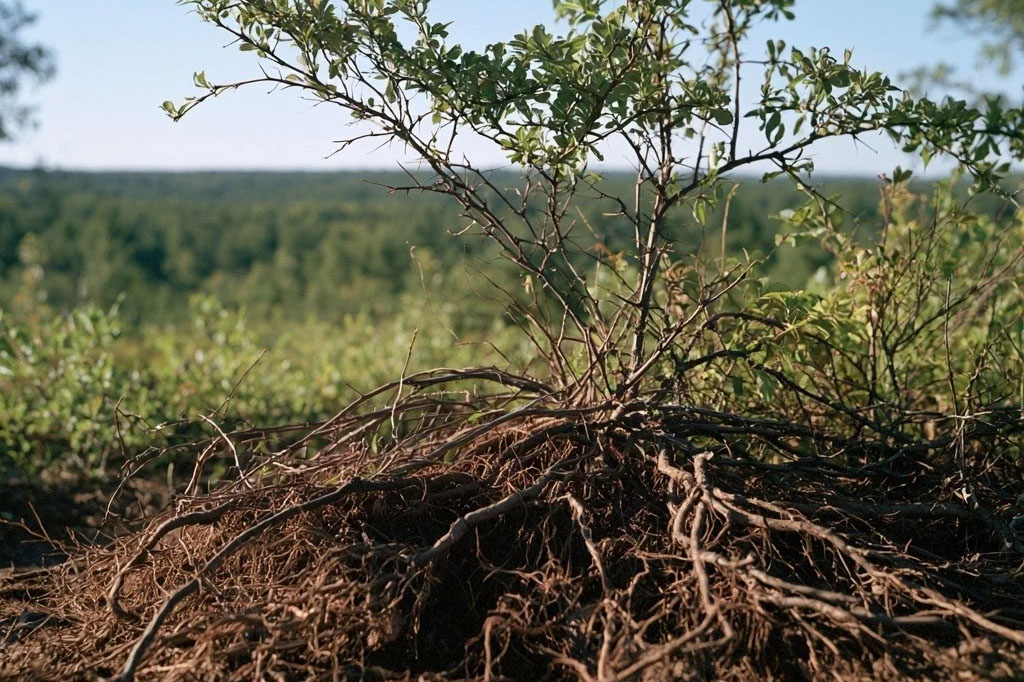
Berberine is found in the root, rhizome, and stem bark of several important medicinal plants, including Hydrastis canadensis (Goldenseal), Berberis aquifolium (Oregon grape), Berberis aristata (tree turmeric), Tinospora cordifolia, Coptis chinensis, and Berberis vulgaris or Berberis amurensis (barberry), which also contains berbamine, another cancer-inhibiting compound.
Biological Activity of Berberine
Berberine is an isoquinoline alkaloid with strong biological and pharmacological activity. It demonstrates significant anticancer activity through multiple biochemical pathways, particularly proapoptotic and anti-inflammatory mechanisms. Current research shows particular promise in breast and colon cancers, with growing focus on novel formulations, active derivatives, and combination therapies with conventional therapeutics.1
Molecular Mechanisms
Berberine acts as a natural inhibitor of Wnt/β-catenin signaling, reducing active β-catenin levels while increasing E-cadherin expression. Synthetic 13-arylalkyl berberine derivatives show over 100-fold lower EC50 values for Wnt-repression compared to natural berberine.17
Berberine targets the Wnt receptor ROR2, which regulates both β-catenin-dependent and -independent Wnt signaling in breast cancer.18
Berberine interferes with cancer cell metabolism by simultaneously modulating mitochondrial oxidative phosphorylation, glycolysis, and macromolecular synthesis, creating a continuous, sustainable metabolic interference.19
Berbamine
Berbamine, found in Berberis species, shows promising anticancer activity. It enhances gemcitabine’s antineoplastic activity in pancreatic cancer and exhibits strong anti-prostate cancer activities both in vitro and in vivo, significantly upregulating cleaved caspase-3 in tumors.20,21
Cancer Research
Breast Cancer
Berberine inhibits growth in MCF-7 and MDA-MB-231 breast cancer cell lines through multiple mechanisms. At 20 μM for MCF-7 and 10 μM for MDA-MB-231 cells, berberine induces time-dependent reduction in proliferation, increases apoptosis (31% in MCF-7, 12% in MDA-MB-231), and causes cell cycle arrest at G0/G1 in MCF-7 cells.2
In anoikis-resistant breast cancer cells—which resist detachment-induced apoptosis and are prone to metastasis—berberine demonstrates superior growth inhibition compared to doxorubicin, inducing cell cycle arrest at G0/G1.3 Targeting berberine liposomes modulate drug-resistant membrane proteins (ABCC1, ABCC2, ABCC3, ABCG2) and mitochondrial apoptosis proteins, activating Bax while inhibiting Bcl-2, leading to cytochrome c release and caspase-9/caspase-3 activation.4
Novel berberine derivatives NAX012 and NAX014 show enhanced effectiveness over berberine in HER-2/neu overexpressing SK-BR-3 cells, inducing 71.6% and 68.4% apoptosis respectively (versus 44.2% for berberine) after 72 hours at 50 μM. These compounds increase expression of cell-cycle checkpoint molecules (p53, p21WAF1, p16INK4a, PAI-1) and reduce HER-2/neu expression and phosphorylation.5
In T47D and MCF7 cell lines, berberine (IC50 25 μM at 48 hours) induces G2/M arrest in T47D cells and G0/G1 arrest in MCF-7 cells. Co-treatment with doxorubicin increases cytotoxicity, particularly in T47D cells.6
Berberine enhances chemosensitivity in drug-resistant MCF-7/MDR cells through dose-orchestrated AMPK signaling. Low-dose berberine enhances doxorubicin sensitivity via the AMPK-HIF-1α-P-gp pathway, while high-dose berberine directly induces apoptosis through the AMPK-p53 pathway. In xenograft models, low-dose berberine combined with doxorubicin showed significantly greater tumor reduction than either agent alone.7
Coptis extract and berberine enhance the anticancer effect of estrogen receptor antagonists on MCF-7 cells. Combined treatment with berberine and fulvestrant produces synergistic growth inhibition significantly greater than either agent alone.8
Berberine combined with fulvestrant (an estrogen receptor and aromatase antagonist) synergistically inhibited MCF-7 breast cancer cell growth, with the combination significantly more effective than either agent alone.26
Berberine combined with emodin inhibits breast cancer growth through SIK3 inactivation. The combination significantly reduced cell growth, induced cell cycle arrest and apoptosis in breast cancer cells while sparing normal breast epithelial cells. Mechanistically, it inhibited SIK3-potentiated mTOR-mediated aerobic glycolysis and attenuated Akt signaling.33
Berberine preferentially induces CYP1A1 over CYP1B1 in MCF-7 breast cancer cells, producing 16- to 52-fold greater CYP1A1 mRNA induction. This shifts estrogen metabolism toward protective 2-hydroxyestradiol rather than carcinogenic 4-hydroxyestradiol, potentially providing breast cancer protection.35
NAX014 compound shows antimetastatic and antitumor activities when orally administered in a murine model of HER2-positive breast cancer.53
Breast Cancer and Tamoxifen Resistance
Berberine enhances tamoxifen sensitivity in ER-positive breast cancer by suppressing ER-α36 expression, reversing tamoxifen resistance in MCF7 and BT-474 cells.75 This provides supporting data for berberine as an adjuvant agent in tamoxifen treatment.
Hepatocellular Carcinoma
Berberine selectively inhibits HepG2, SMMC-7721, and Bel-7402 hepatocellular carcinoma cell lines while sparing normal hepatocytes (HL7702). It induces apoptosis through AMPK-mediated caspase-dependent mitochondrial pathway, with cytochrome c release, caspase-9 and -3 activation, and increased Bax/Bcl-2 ratio.9
Berberine inhibits hepatoma cell invasion without cytotoxicity to healthy hepatocytes through PI3K-AKT and ERK pathway-dependent downregulation of MMP-9 expression. This effect is independent of ROS production.10
Berberine sensitizes rapamycin mediated human hepatoma cell death in vitro.42
Hepatocellular Carcinoma Metastasis
Berberine inhibits chemotherapy-induced metastasis in HCC by suppressing the iPLA2/LOX-5/LTB4 pathway.77 It reverses chemotherapy-induced adhesion and migration by reducing LOX-5 expression and LTB4 production in the tumor microenvironment.77
Gastrointestinal Cancers
In human gastric cancer SNU-5 cells, berberine induces ROS production and downregulates MMP-1, -2, and -9 at both protein and mRNA levels, preventing cell migration.11
In colorectal adenocarcinoma, berberine inhibits LoVo cell growth (IC50 40.79 ± 4.11 μM at 72 hours) through G2/M phase accumulation and suppression of cyclin B1, cdc2, and cdc25c proteins. In xenograft models, berberine (50 mg/kg/day) showed 45.3% inhibition. Combined with 5-fluorouracil, the inhibitory rate increased to 59.8% versus 36.4% for berberine alone.12
For gastrointestinal cancers, berberine demonstrates therapeutic effects against esophageal, gastric, colorectal, hepatocellular, and pancreatic cancers through antioxidant, anti-inflammatory, and direct anticancer mechanisms.32
Berberine prevents experimental colon cancer and reduces cyclooxygenase-2 expression. In DMH+DSS-induced rat colon cancer models, oral berberine (100 mg/kg) reduced aberrant crypt foci, tumor incidence, and COX-2 levels.39
Berberine binds RXRα to suppress β-catenin signaling in colon cancer cells.40
Berberine inhibits the proliferation of colon cancer cells by inactivating Wnt/β-catenin signaling.41
Colorectal Adenoma Prevention
In a multicenter, double-blind RCT of 553 individuals, berberine (0.3g twice daily for 2 years post-polypectomy) prevented colorectal adenoma recurrence without serious adverse effects.80
Liver Cancer
Hydrastis canadensis extract, containing berberine, shows anti-cancer potential against p-dimethylaminoazobenzene-induced hepatocarcinogenesis in mice, modulating multiple biochemical parameters.69 Berbamine inhibits liver cancer growth by targeting Ca²⁺/calmodulin-dependent protein kinase II (CAMKII), suppressing proliferation and self-renewal of cancer-initiating cells.70 CAMKII hyperphosphorylation in human liver tumors supports its role in cancer progression and berberine’s therapeutic potential.70
Gastric and Pancreatic Cancer
Paclitaxel and berbamine co-loaded nanoparticles show superior antitumor effects in gastric cancer through sustained drug release and dose-dependent cytotoxicity.71 In pancreatic cancer, berbamine enhances gemcitabine efficacy by activating TGF-β/Smad signaling, modulating apoptosis-related proteins (Bcl-2, Bcl-xL, Bax, Bid), and regulating downstream targets (p21, c-Myc, Cyclin D1).72
Berberine induces apoptosis via ROS generation in PANC-1 and MIA-PaCa2 pancreatic cell lines.43
Osteosarcoma and Prostate Cancer
Berberine induces apoptosis in osteosarcoma cells by inhibiting PI3K/Akt signaling, upregulating Bax and PARP, and downregulating Bcl-2 and caspase-3.73 In prostate cancer, berbamine triggers intrinsic apoptosis via mitochondrial pathway activation, increasing bax/bcl-2 ratio and activating caspase-9 and caspase-3, with significant tumor growth inhibition in vivo.74
Berberine affects osteosarcoma via downregulating the caspase-1/IL-1β signaling axis.52
Other Cancers
Tongue Cancer: Berberine (10 mg/kg) significantly reduces tumor size in SCC-4 xenograft models.13
Ovarian Cancer: Berberine sensitizes cisplatin-resistant SKOV3 cells through the miR-21/PDCD4 axis, inhibiting miR-21 expression and enhancing PDCD4 tumor suppressor activity.14
Berberine in combination with cisplatin induces necroptosis and apoptosis in ovarian cancer cells.44
Leukemia: In WEHI-3 leukemia cells in vivo, berberine reduces Mac-3 and CD11b markers (inhibiting macrophage and granulocyte precursor differentiation) while promoting B-cell precursor differentiation (CD19 marker) and reducing spleen weight.15
Melanoma: Berberine inhibits A375 and Hs294 melanoma cell migration by reducing COX-2, PGE2, and PGE2 receptors (EP2 and EP4). It blocks NF-κB activation and inhibits TPA- and PGE2-promoted cell migration.16
Cervical Cancer: Berberine reverses epithelial-to-mesenchymal transition (EMT) and inhibits metastasis in cervical cancer. In highly metastatic SiHa cells, berberine nearly completely inhibited invasion (P < 0.001) by reducing matrix metalloproteinase-2 and urokinase-type plasminogen activator activity. It reversed TGF-β1-induced EMT, upregulating epithelial markers (E-cadherin) while suppressing mesenchymal markers (N-cadherin, snail-1). Berberine also reduced tumor-induced angiogenesis in vitro and in vivo. In BALB/c nude mice, oral berberine reduced tumor growth and lung metastasis.27
Berberine suppresses growth and metastasis of endometrial cancer cells via miR-101/COX-2.57
Lung Cancer: In non-small-cell lung cancer, berberine targets multiple pathways: AP-2/hTERT, NF-κB/COX-2, HIF-1α/VEGF, PI3K/AKT, Raf/MEK/ERK, and cytochrome-c/caspase signaling. It inhibits cell migration, proliferation, and colony formation while inducing apoptosis.36
Coptis extract combined with chemotherapeutic agents affects ROS production, multidrug resistance, and cell growth in A549 human lung cancer cells.45
Berberine exhibits chromatin remodeling by modulation of histone deacetylase to induce growth arrest and apoptosis in the A549 cell line.50
Berberine induces apoptosis in non-small-cell lung cancer cells by upregulating miR-19a targeting tissue factor.51
Nasopharyngeal Carcinoma: Berberine suppresses tumorigenicity and growth of nasopharyngeal carcinoma cells by inhibiting STAT3 activation induced by tumor associated fibroblasts.47
Glioblastoma: Berberine induces autophagy in glioblastoma by targeting the AMPK/mTOR/ULK1-pathway.48
In glioblastoma T98G cells, berberine induces apoptosis via ER stress and mitochondrial dysfunction. It increases ROS production and intracellular Ca2+, activates ER stress markers (PERK, eIF-2α, GRP78, CHOP), enhances Bax/Bcl-2 ratio, disrupts mitochondrial membrane potential, and activates caspase-9, caspase-3, and PARP cleavage.34
In glioblastoma, solid lipid curcumin particles (SLCPs) combined with berberine (1:5 ratio, 20 μM:100 μM) produced greater cell death, DNA fragmentation, decreased ATP levels, and reduced mitochondrial membrane potential than individual treatments. The combination more effectively inhibited the PI3K/Akt/mTOR pathway.38
Multiple Myeloma: In multiple myeloma, berberine downregulates three miRNA clusters (miR-99a125b, miR-1792, miR-10625) and key genes (RAC1, NFκB1, MYC, JUN, CCND1) involved in cancer progression. These effects occur through TP53, Erb, and MAPK signaling pathways. The mir-99a125b cluster represents a novel therapeutic target.30
General Anticancer Effects: Berberine combined with curcumin shows synergistic anticancer activity. The combination (1:1) induced >77% cell death across multiple cancer cell lines (A549, Hep-G2, MCF-7, Jurkat, K562), significantly exceeding pure curcumin.
Berberine and Coptidis Rhizoma show potential as anticancer agents with recent updates and future perspectives.46
Berberine, a natural compound, suppresses Hedgehog signaling pathway activity and cancer growth.58
Berberine demonstrates anticancer effects through modulation of various cell signaling pathways.59
Berberine Enhances Cisplatin Efficacy in Ehrlich Ascites Carcinoma via Modulation of the Apoptotic Pathway and Efferocytosis
Berberine is a natural plant alkaloid traditionally used to treat a wide range of medical conditions, including cancer. This study evaluated the therapeutic potential of berberine combined with the standard chemotherapy drug cisplatin in an Ehrlich ascites carcinoma (EAC) adenocarcinoma model. The goal was to determine whether berberine could enhance antitumor efficacy, reduce EAC tumor proliferation, and mitigate cisplatin-induced toxic side effects by modulating the pro-survival PI3K/Akt signaling pathway and efferocytosis (the cellular clearance of apoptotic cells).
Eighty Swiss albino mice were divided into eight experimental groups:
- Untreated control
- Berberine alone
- Cisplatin alone
- Cisplatin combined with berberine
- EAC tumor control
- EAC treated with berberine
- EAC treated with cisplatin
- EAC treated with both cisplatin and berberine
The researchers performed comprehensive evaluations, including tumor response, body weight changes, ascitic fluid cell counts, survival analysis, biochemical profiling, molecular gene expression analyses, and histopathological assessments.
The results demonstrated that co-treatment with berberine significantly enhanced cisplatin’s antitumor efficacy in EAC-bearing mice, substantially reducing both tumor volume and cancer cell counts. Furthermore, berberine protected vital organs by ameliorating cisplatin-induced liver and kidney (hepato-renal) toxicity. At the molecular level, the combination therapy downregulated the expression of Akt1 (suppressing the oncogenic PI3K/Akt pathway) as well as Axl, Mertk, and Gas6 (modulating efferocytosis mechanisms to promote tumor cell clearance).

Proposed Molecular Mechanism: Proposed molecular mechanism of berberine in attenuating tumor progression and mitigating cisplatin-associated toxicity. While cisplatin induces tumor cell death, it can also elevate oxidative stress, inflammation, and mitochondrial dysfunction in normal tissues. Berberine exerts dual protective and antitumor effects by reducing oxidative stress, boosting endogenous antioxidant defenses, modulating apoptotic pathways (specifically balancing the Bax/Bcl-2 ratio), and restoring mitochondrial function, thereby suppressing EAC progression and protecting healthy tissues.
Histopathological analysis confirmed that berberine substantially reversed cisplatin’s lethal damage to liver tissue architecture, promoting hepatic recovery. In conclusion, berberine serves as a promising adjuvant therapy that suppresses EAC proliferation, enhances cisplatin efficacy, mitigates chemotherapy-induced toxicities, and beneficially targets the PI3K/Akt pathway and efferocytosis.82
Metabolic and Endocrine Effects
GLP-1 Secretion and Metabolic Effects
Berberine induces GLP-1 secretion via activation of bitter taste receptor TAS2R38 in a PLC-dependent manner.61 This mechanism may explain the hypoglycemic effects of bitter compounds. In diabetic rats, berberine improves glucose metabolism through GnRH-GLP-1 and MAPK pathways in the ileum, increasing plasma postprandial GLP-1 levels and reducing fasting blood glucose.62
Berberine improves glucose and lipid metabolism in HepG2 cells through AMPKα1 activation, upregulating LDL receptor expression and stimulating glucose consumption while inhibiting lipogenesis.63 This positions berberine as a promising preventive and therapeutic agent for diabetes, with mechanisms distinct from metformin but fewer side effects.64
A clinical study demonstrated berberine’s short-term effect in comparison to metformin on the metabolic characteristics of women with polycystic ovary syndrome.49
Diabetic Nephropathy
Berberine enhances metformin’s protective effects in diabetic nephropathy through Trib1-dependent inflammation inhibition.76 Combination therapy improves renal function, reduces lipid accumulation, and suppresses NF-κB signaling by promoting Trib1 expression and downregulating C/EBPα.76
As an orally active therapeutic, berberine has been investigated against COVID-19 and SARS, demonstrating renal-protective effects when combined with metformin in diabetic kidney disease through the IRF8-IFN-γ signaling axis.24,25
Obesity and Weight Management
Berberine affects gut microbiota diversity, inhibits α-glycosidase, and reduces adipocyte differentiation through decreased LXRs, PPARs, and SREBPs expression.79 It inhibits hepatic gluconeogenesis via PEPCK, G6Pase, and AMPK pathways. Combined with red yeast rice, berberine effectively decreases lipid levels and prevents weight gain.79
Clinical Applications
Berberine shows efficacy in metabolic dysfunction-associated steatotic liver disease and has been studied for prevention of colorectal adenoma recurrence at 0.3 g twice daily.22,23
In diabetes-free individuals with obesity and MASLD, berberine (1g daily for 6 months) significantly reduced LDL-C by 7.72 mg/dL and apoB by 3.42 mg/dL, with greater benefits in high-inflammation individuals.68 While it did not reduce visceral fat or liver fat, it demonstrated excellent cardiovascular risk reduction through improved lipid profiles and reduced systemic inflammation.
Cardiovascular Disease
Meta-analysis of 44 RCTs (4,606 patients) demonstrated berberine’s cardiovascular benefits.67 While berberine alone showed no significant differences versus statins in lipid parameters, combination therapy (berberine plus statins) significantly reduced TC, TG, LDL-C, NIHSS score, hs-CRP, TNF-α, IMT, and unstable plaques. Berberine alone reduced NIHSS score, hs-CRP, IL-6, TNF-α, and IMT versus routine therapy, with no serious adverse reactions.67
A nutraceutical combination containing berberine, policosanol, and red yeast rice affects lipid profile in hypercholesterolemic patients.55
Wang Y, Yi X, Ghanam K, et al. Berberine decreases cholesterol levels in rats through multiple mechanisms. Biomed Pharmacother. 2020;132:110147.25
Berberine Protects the Heart from Ischemic Reperfusion Injury
This study investigated the cardioprotective efficacy of berberine against myocardial ischemia-reperfusion (I/R) injury in a rat model subjected to 30 minutes of left anterior descending coronary artery ligation followed by 120 minutes of reperfusion. Intraperitoneal pretreatment with berberine (10 mg/kg) significantly attenuated myocardial damage, as demonstrated by marked reductions in plasma cardiac troponin T levels and improved histopathological scores with diminished edema, necrosis, and neutrophil infiltration. Mechanistically, berberine suppressed oxidative stress by decreasing serum malondialdehyde and restoring reduced glutathione levels. Furthermore, berberine exerted anti-inflammatory and anti-apoptotic actions by downregulating myocardial TNF-α, IL-6, caspase-3, and BAX, while upregulating anti-inflammatory IL-10. These findings demonstrate that berberine confers substantial cardioprotection against I/R injury via modulation of oxidative, inflammatory, and apoptotic cascades.81
Alzheimer’s Disease and Neuroprotection
Berberine may benefit Alzheimer’s disease (AD) by limiting extracellular amyloid plaques and intracellular neurofibrillary tangles.60 Its lipid- and glucose-lowering properties suggest potential to inhibit AD risk factors.60
Mechanisms of APP Metabolism Modification
Berberine decreases β-secretase and γ-secretase, inhibiting the amyloidogenic pathway and reducing Aβ release and amyloid plaque formation. Its role in α-secretase and the nonamyloidogenic pathway remains unclear.60
Berberine activates Nrf2 nuclear translocation and protects against oxidative damage via PI3K/Akt-dependent mechanisms in motor neuron cells. At nanomolar concentrations (0.1-10 nM), berberine increases insulin receptor expression, Akt phosphorylation, and Nrf2/HO-1 induction. It attenuates ROS production, enhances antioxidant defenses (GSH, SOD), improves mitochondrial function, and promotes anti-apoptotic proteins while decreasing pro-apoptotic factors.31
Berberine, a natural antidiabetes drug, attenuates glucose neurotoxicity and promotes Nrf2-related neurite outgrowth.54
Berberine protects against 6-hydroxydopamine-induced human dopaminergic neuronal cell death through the induction of heme oxygenase-1.56
Berberine attenuates bleomycin-induced pulmonary fibrosis by suppressing NF-κB-dependent TGF-β activation. In rats, berberine significantly ameliorated histological alterations, reduced inflammatory cell infiltration, blocked collagen accumulation, and decreased hydroxyproline levels. It enhanced antioxidant status by upregulating Nrf2, inhibited NF-κB activation and iNOS expression, and suppressed TNF-α and TGF-β1.28
Berberine inhibits inflammation through multiple mechanisms: suppressing pro-inflammatory cytokines (IL-1β, IL-6, TNF-α), inhibiting NF-κB and MAPK signaling, enhancing STAT1 signaling, and modulating immune function. Network pharmacology analysis confirms its efficacy against inflammatory and autoimmune conditions.29
Infectious Disease
COVID-19 and Antiviral Activity
Berberine exhibits anti-SARS-CoV-2 effects with mitigation of inflammatory changes.65 It reduces acute lung injury/ARDS risk by inhibiting pro-inflammatory cytokines and inflammatory signaling pathways. In a prospective study of 18 COVID-19 patients, berberine treatment reduced IL-6, TNF-α, and CRP levels, demonstrating anti-inflammatory effects and reduced gastrointestinal inflammation.65 Computational modeling supports berberine as an orally active therapeutic candidate, showing inhibition of SARS-CoV-2 replication in lung epithelial cells and suppression of ACE2, TMPRSS2, and inflammatory cytokines.66
Helicobacter pylori and Gastric Disease
Berberine treats H. pylori-induced chronic atrophic gastritis by suppressing the IRF8-IFN-γ signaling axis.78 It downregulates IL-17, CXCL1, CXCL9, and proinflammatory genes (Ifit3, Upp1, USP18, Nlrc5) while improving gastric mucosa histology and increasing G-17 levels.78
References
- Och A, Podgórski R, Nowak R. Biological Activity of Berberine-A Summary Update. Toxins (Basel). 2020 Nov 12;12(11):713.
- Kim JB, Lee KM, Ko E, et al. Berberine inhibits growth of the breast cancer cell lines MCF-7 and MDA-MB-231. Planta Med. 2008 Jan;74(1):39-42.
- Kim JB, Yu JH, Ko E, et al. The alkaloid Berberine inhibits the growth of Anoikis-resistant MCF-7 and MDA-MB-231 breast cancer cell lines by inducing cell cycle arrest. Phytomedicine. 2010 May;17(6):436-40.
- Xu Ma, Jia Zhou, Cheng-Xiang Zhang, et al. Modulation of drug-resistant membrane and apoptosis proteins of breast cancer stem cells by targeting berberine liposomes. Biomaterials. 2013 Jun;34(18):4452-65.
- Pierpaoli E, Arcamone AG, Buzzetti F, et al. Antitumor effect of novel berberine derivatives in breast cancer cells. Biofactors. 2013 Sep 2.
- Barzegar E, Fouladdel S, Movahhed TK, et al. Effects of berberine on proliferation, cell cycle distribution and apoptosis of human breast cancer T47D and MCF7 cell lines. Iran J Basic Med Sci. 2015 Apr;18(4):334-42.
- Pan Y, Zhang F, Zhao Y, et al. Berberine Enhances Chemosensitivity and Induces Apoptosis Through Dose-orchestrated AMPK Signaling in Breast Cancer. J Cancer. 2017;8(9):1679–1689.
- Liu J, He C, Zhou K, Wang J, Kang JX. Coptis extract enhance the anticancer effect of estrogen receptor antagonists on human breast cancer cells. Biochem Biophys Res Commun. 2009 Jan 9;378(2):174-8.
- Yang X, Huang N. Berberine induces selective apoptosis through the AMPK mediated mitochondrial/caspase pathway in hepatocellular carcinoma. Biomaterials. 2013;34:4452-4465.
- Liu B, Wang G, Yang J, et al. Berberine inhibits human hepatoma cell invasion without cytotoxicity in healthy hepatocytes. PLoS One. 2011;6(6):e21416.
- Lin JP, Yang JS, Wu CC, et al. Berberine induced down-regulation of matrix metalloproteinase-1, -2 and -9 in human gastric cancer cells (SNU-5) in vitro. In Vivo. 2008 Mar-Apr;22(2):223-30.
- Cai Y, Xia Q, Luo R, et al. Berberine inhibits the growth of human colorectal adenocarcinoma in vitro and in vivo. J Nat Med. 2013 Apr 21.
- Ho YT, Yang JS, Lu CC, et al. Berberine inhibits human tongue squamous carcinoma cancer tumor growth in a murine xenograft model. Phytomedicine. 2009 Sep;16(9):887-90.
- Liu S, Fang Y, Shen H, Xu W, Li H. Berberine sensitizes ovarian cancer cells to cisplatin through miR-21/PDCD4 axis. Acta Biochim Biophys Sin (Shanghai). 2013 Jul 3.
- Yu FS, Yang JS, Lin HJ, et al. Berberine inhibits WEHI-3 leukemia cells in vivo. In Vivo. 2007 Mar-Apr;21(2):407-12.
- Singh T, Vaid M, Katiyar N, et al. Berberine, an isoquinoline alkaloid, inhibits melanoma cancer cell migration by reducing the expressions of cyclooxygenase-2, prostaglandin E₂ and prostaglandin E₂ receptors. Carcinogenesis. 2011 Jan;32(1):86-92.
- Albring KF, Weidemüller J, Mittag S, et al. Berberine acts as a natural inhibitor of Wnt/β-catenin signaling-Identification of more active 13-arylalkyl derivatives. Biofactors. 2013 Aug 24.
- Henry C, Quadir A, Hawkins NJ, et al. Expression of the novel Wnt receptor ROR2 is increased in breast cancer and may regulate both β-catenin dependent and independent Wnt signaling. J Cancer Res Clin Oncol. 2014 Sep 11.
- Tan W, Li N, Tan R, et al. Berberine Interfered with Breast Cancer Cells Metabolism, Balancing Energy Homeostasis. Anticancer Agents Med Chem. 2014 Sep 10.
- Jin X, Wu Y. Berbamine enhances the antineoplastic activity of gemcitabine in pancreatic cancer cells. Anticancer Drugs. 2014 Jun;25(5):580-8.
- Kapoor S. Emerging role of berbamine as an anti-neoplastic agent. Mol Cell Biochem. 2013;380(1-2):297.
- Yang L, Zhu W, Zhang X, et al. Berberine for Metabolic Dysfunction-Associated Steatotic Liver Disease: A Meta-Analysis. Nutrients. 2023;15(18):3960.
- Chen YX, Gao QY, Zou TH, et al. Berberine versus placebo for the prevention of recurrence of colorectal adenoma. Lancet Gastroenterol Hepatol. 2020;5:267–275.
- Xu Z, Feng W, Shen Q, et al. Berberine as an orally active therapeutic candidate against COVID-19 and SARS. Front Pharmacol. 2021;12:631560.
- Wang Y, Yi X, Ghanam K, et al. Berberine decreases cholesterol levels in rats through multiple mechanisms. Biomed Pharmacother. 2020;132:110147.
- Liu J, He C, Zhou K, Wang J, Kang JX. Coptis extract enhance the anticancer effect of estrogen receptor antagonists on human breast cancer cells. Biochem Biophys Res Commun. 2009 Jan 9;378(2):174-8.
- Chu SC, Yu CC, Hsu LS, Chen KS, Su MY, Chen PN. Berberine Reverses Epithelial-to-mesenchymal Transition and Inhibits Metastasis and Tumor-induced Angiogenesis in Human Cervical Cancer Cells. Mol Pharmacol. 2014 Sep 12. pii: mol.114.094037.
- Chitra P, Saiprasad G, Manikandan R, Sudhandiran G. Berberine attenuates bleomycin induced pulmonary toxicity and fibrosis via suppressing NF-κB dependant TGF-β activation: a biphasic experimental study. Toxicol Lett. 2013 May 23;219(2):178-93.
- Wang K, Yin J, Chen J, Ma J, Si H, Xia D. Inhibition of inflammation by berberine: Molecular mechanism and network pharmacology analysis. Phytomedicine. 2024 Jun;128:155258.
- Feng M, Luo X, Gu C, Li Y, Zhu X, Fei J. Systematic analysis of berberine-induced signaling pathway between miRNA clusters and mRNAs and identification of mir-99a~125b cluster function by seed-targeting inhibitors in multiple myeloma cells. RNA Biol. 2015;12(1):82-91.
- Hsu YY, Chen CS, Wu SN, Jong YJ, Lo YC. Berberine activates Nrf2 nuclear translocation and protects against oxidative damage via a phosphatidylinositol 3-kinase/Akt-dependent mechanism in NSC34 motor neuron-like cells. Eur J Pharm Sci. 2012 Aug 15;46(5):415-25.
- Davoodvandi A, Sadeghi S, Alavi SMA, Alavi SS, Jafari A, Khan H, Aschner M, Mirzaei H, Sharifi M, Asemi Z. The therapeutic effects of berberine for gastrointestinal cancers. Asia Pac J Clin Oncol. 2023 Mar 13. doi: 10.1111/ajco.13941.
- Ponnusamy L, Kothandan G, Manoharan R. Berberine and Emodin abrogates breast cancer growth and facilitates apoptosis through inactivation of SIK3-induced mTOR and Akt signaling pathway. Biochim Biophys Acta Mol Basis Dis. 2020;165897.
- Ki Seong EOM, Hyung-Jin KIM, Hong-Seob SO, Raekil PARK, Tae Young KIM. Berberine-Induced Apoptosis in Human Glioblastoma T98G Cells Is Mediated by Endoplasmic Reticulum Stress Accompanying Reactive Oxygen Species and Mitochondrial Dysfunction. Biol Pharm Bull. 2010;33(10):1644-1649.
- Wen CJ, Wu LX, Fu LJ, Shen DY, Zhang X, Zhang YW, Yu J, Zhou HH. Preferential Induction of CYP1A1 over CYP1B1 in Human Breast Cancer MCF-7 Cells after Exposure to Berberine. Asian Pac J Cancer Prev. 2014;15(1):495-9.
- Fu L, Chen W, Guo W, Wang J, Tian Y, Shi D, Zhang X, Qiu H, Xiao X, Kang T, Huang W, Wang S, Deng W. Berberine Targets AP-2/hTERT, NF-κB/COX-2, HIF-1α/VEGF and Cytochrome-c/Caspase Signaling to Suppress Human Cancer Cell Growth. PLoS One. 2013 Jul 15;8(7):e69240.
- Balakrishna A, Kumar MH. Evaluation of Synergetic Anticancer Activity of Berberine and Curcumin on Different Models of A549, Hep-G2, MCF-7, Jurkat, and K562 Cell Lines. Biomed Res Int. 2015;2015:354614.
- Maiti P, Plemmons A, Dunbar GL. Combination treatment of berberine and solid lipid curcumin particles increased cell death and inhibited PI3K/Akt/mTOR pathway of human cultured glioblastoma cells more effectively than did individual treatments. PLoS One. 2019 Dec 16;14(12):e0225660.
- Wu K, Yang J, Zhou Q. Preventive effects of berberine on experimental colon cancer and relationship with cyclooxygenase-2 expression. Zhongguo Zhong Yao Za Zhi. 2010 Oct;35(20):2768-73.
- Ruan H, Zhan YY, Hou J, Xu B, Chen B, Tian Y, Wu D, Zhao Y, Zhang Y, Chen X, Mi P, Zhang L, Zhang S, Wang X, Cao H, Zhang W, Wang H, Li H, Su Y, Zhang XK, Hu T. Berberine binds RXRα to suppress β-catenin signaling in colon cancer cells. Oncogene. 2017;36:6906-6918.
- Wu K, Yang Q, Mu Y, Zhou L, Liu Y, Zhou Q, He B. Berberine inhibits the proliferation of colon cancer cells by inactivating Wnt/β-catenin signaling. Int J Oncol. 2012 Jul;41(1):292-8.
- Guo N, Yan A, Gao X, Chen Y, He X, Hu Z, Mi M, Tang X, Gou X. Berberine sensitizes rapamycin mediated human hepatoma cell death in vitro. Mol Med Rep. 2014 Dec;10(6):3132-8.
- Park SH, Sung JH, Kim EJ, Chung N. Berberine induces apoptosis via ROS generation in PANC-1 and MIA-PaCa2 pancreatic cell lines. Braz J Med Biol Res. 2015 Feb;48(2):111-9.
- Liu L, Fan J, Ai G, Liu J, Luo N, Li C, Cheng Z. Berberine in combination with cisplatin induces necroptosis and apoptosis in ovarian cancer cells. Biol Res. 2019 Jul 18;52(1):37.
- He C, Rong R, Liu J, Wan J, Zhou K, Kang JX. Effects of Coptis extract combined with chemotherapeutic agents on ROS production, multidrug resistance, and cell growth in A549 human lung cancer cells. Chin Med. 2012 Apr 30;7(1):11.
- Wang N, Tan HY, Li L, Yuen MF, Feng Y. Berberine and Coptidis Rhizoma as Potential Anticancer Agents: Recent Updates and Future Perspectives. J Ethnopharmacol. 2015 Oct 19. pii: S0378-8741(15)30187-2.
- Tsang CM, Cheung YC, Lui VWY, Yip YL, Zhang G, Lin VW, Cheung KCP, Feng Y, Tsao SW. Berberine suppresses tumorigenicity and growth of nasopharyngeal carcinoma cells by inhibiting STAT3 activation induced by tumor associated fibroblasts. BMC Cancer. 2013;13:619.
- Wang J, Qi Q, Feng Z, Zhang X, Huang B, Chen A, Prestegarden L, Li X, Wang J. Berberine induces autophagy in glioblastoma by targeting the AMPK/mTOR/ULK1-pathway. Oncotarget. 2016 Oct 11;7(41):66944-66958.
- Wei W, Zhao H, Wang A, Sui M, Liang K, Deng H, Ma Y, Zhang Y, Zhang H, Guan Y. A clinical study on the short-term effect of berberine in comparison to metformin on the metabolic characteristics of women with polycystic ovary syndrome. Eur J Endocrinol. 2012;166:99-105.
- Kalaiarasi A, Anusha C, Sankar R, Rajasekaran S, John Marshal J, Muthusamy K, Ravikumar V. Plant Isoquinoline Alkaloid Berberine Exhibits Chromatin Remodeling by Modulation of Histone Deacetylase To Induce Growth Arrest and Apoptosis in the A549 Cell Line. J Agric Food Chem. 2016 Dec 21;64(50):9542-9550.
- Chen QQ, Shi JM, Ding Z, Xia Q, Zheng TS, Ren YB, Li M, Fan LH. Berberine induces apoptosis in non-small-cell lung cancer cells by upregulating miR-19a targeting tissue factor. Cancer Manag Res. 2019 Oct 21;11:9005-9015.
- Jin H, Jin X, Cao B, Wang W. Berberine affects osteosarcoma via downregulating the caspase-1/IL-1β signaling axis. Oncol Rep. 2017;37(2):729-736.
- Pierpaoli E, Piacenza F, Fiorillo G, Lombardi P, Orlando F, Salvatore C, Geroni C, Provinciali M. Antimetastatic and Antitumor Activities of Orally Administered NAX014 Compound in a Murine Model of HER2-Positive Breast Cancer. Int J Mol Sci. 2021 Mar 6;22(5):2653.
- Hsu YY, Tseng YT, Lo YC. Berberine, a natural antidiabetes drug, attenuates glucose neurotoxicity and promotes Nrf2-related neurite outgrowth. Toxicol Appl Pharmacol. 2013 Aug 15. doi:pii: S0041-008X(13)00358-X.
- Millán J, Cicero AF, Torres F, Anguera A. Effects of a nutraceutical combination containing berberine (BRB), policosanol, and red yeast rice (RYR), on lipid profile in hypercholesterolemic patients: A meta-analysis of randomised controlled trials. Clin Investig Arterioscler. 2016 Jul-Aug;28(4):178-87.
- Bae J, Lee D, Kim YK, Gil M, Lee JY, Lee KJ. Berberine protects 6-hydroxydopamine-induced human dopaminergic neuronal cell death through the induction of heme oxygenase-1. Mol Cells. 2013 Feb;35(2):151-7.
- Wang Y, Zhang S. Berberine suppresses growth and metastasis of endometrial cancer cells via miR-101/COX-2. Biomed Pharmacother. 2018 Jul;103:1287-1293.
- Wang et al. Berberine, a natural compound, suppresses Hedgehog signaling pathway activity and cancer growth. BMC Cancer. 2015;15:595.
- Almatroodi SA, Alsahli MA, Rahmani AH. Berberine: An Important Emphasis on Its Anticancer Effects through Modulation of Various Cell Signaling Pathways. Molecules. 2022 Sep 10;27(18):5889.
- Cai Z, Wang C, Yang W. Role of berberine in Alzheimer’s disease. Neuropsychiatr Dis Treat. 2016;12:2509-2520.
- Yu Y, Hao G, Zhang Q, et al. Berberine induces GLP-1 secretion through activation of bitter taste receptor pathways. Biochem Pharmacol. 2015;97(2):173-177.
- Zhang Q, Xiao X, Li M, et al. Berberine moderates glucose metabolism through the GnRH-GLP-1 and MAPK pathways in the intestine. BMC Complement Altern Med. 2014;14:188.
- Ren G, Guo JH, Qian YZ, Kong WJ, Jiang JD. Berberine Improves Glucose and Lipid Metabolism in HepG2 Cells Through AMPKα1 Activation. Front Pharmacol. 2020;11:647.
- Shrivastava S, Sharma A, Saxena N, Bhamra R, Kumar S. Addressing the preventive and therapeutic perspective of berberine against diabetes. Heliyon. 2023;9(11):e21233.
- Babalghith AO, Al-Kuraishy HM, Al-Gareeb AI, et al. The role of berberine in Covid-19: potential adjunct therapy. Inflammopharmacology. 2022 Oct 2:1-14.
- Wang ZZ, Li K, Maskey AR, et al. A small molecule compound berberine as an orally active therapeutic candidate against COVID-19 and SARS: A computational and mechanistic study. FASEB J. 2021;35(4):e21360.
- Yang L, Zhu W, Zhang X, Zhou X, Wu W, Shen T. Efficacy and safety of berberine for several cardiovascular diseases: A systematic review and meta-analysis of randomized controlled trials. Phytomedicine. 2023;112:154716.
- Lei L, et al. Berberine and Adiposity in Diabetes-Free Individuals With Obesity and MASLD: A Randomized Clinical Trial. JAMA Netw Open. 2025;9(1):e2844037.
- Roy Karmakar S. Anti-carcinogenic Potentials of a Plant Extract (Hydrastis canadensis): I. Evidence from In Vivo Studies in Mice (Mus musculus). Asian Pac J Cancer Prev. 2010;11(2):545-551.
- Meng Z, Li T, Ma X, et al. Berbamine inhibits the growth of liver cancer cells and cancer initiating cells by targeting Ca2+/Calmodulin-dependent protein kinase II. Mol Cancer Ther. 2013 Aug 19.
- Zhu L, Zhang B, Lu X, Shu Y, Liu B. Delivery of paclitaxel and berbamine by polymeric carriers to cure gastric cancer. Oncol Res. 2013;20(7):265-274.
- Jin X, Wu Y. Berbamine enhances the antineoplastic activity of gemcitabine in pancreatic cancer cells by activating transforming growth factor-β/Smad signaling. Anat Rec (Hoboken). 2014;297(5):802-809.
- Chen ZZ. Berberine Induced Apoptosis of Human Osteosarcoma Cells by Inhibiting Phosphoinositide 3 Kinase/Protein Kinase B (PI3K/Akt) Signal Pathway Activation. Iran J Public Health. 2016;45(5):578-585.
- Zhao Y, Lv JJ, Chen J, et al. Berbamine inhibited the growth of prostate cancer cells in vivo and in vitro via triggering intrinsic pathway of apoptosis. Prostate Cancer Prostatic Dis. 2016;19:358-366.
- Pan X, Song Z, Cui Y, et al. Enhancement of Sensitivity to Tamoxifen by Berberine in Breast Cancer Cells by Inhibiting ER-α36 Expression. Iran J Pharm Res. 2022;21(1):e126919.
- Zhang B, Zhang X, Zhang C. Berberine Improves the Protective Effects of Metformin on Diabetic Nephropathy in db/db Mice through Trib1-dependent Inhibiting Inflammation. Pharm Res. 2021 Nov. doi:10.1007/s11095-021-03104-x.
- Zhao Y, He K, Zheng H, et al. Berberine Inhibits the Apoptosis-Induced Metastasis by Suppressing the iPLA2/LOX-5/LTB4 Pathway in Hepatocellular Carcinoma. Onco Targets Ther. 2020;13:5223-5230.
- Yang T, Wang R, Zhang J, et al. Mechanism of berberine in treating Helicobacter pylori induced chronic atrophic gastritis through IRF8-IFN-γ signaling axis suppressing. Life Sci. 2020;248:117456.
- Ilyas Z, Perna S, Al-Thawadi S, et al. The effect of Berberine on weight loss in order to prevent obesity: A systematic review. Biomed Pharmacother. 2020;127:110137.
- Chen YX, Gao QY, Zou TH, et al. Berberine versus placebo for the prevention of recurrence of colorectal adenoma: A multicentre, double-blinded, randomised controlled study. Lancet Gastroenterol Hepatol. 2020;5:267-275.
- Wang L, Ma H, Xue Y, Shi H, Ma T, Cui X.Berberine Protects the Heart from Ischemic Reperfusion Injury via Interference with Oxidative and Inflammatory Pathways. Med Arch. 2021 Jun; 75(3): 174-179. doi: 10.5455/medarh.2021.75.174-179.
- Salem MM, Dawod SM, Mohamed TM, Ibrahim WM, Khattab AT. Berberine enhances cisplatin efficacy in ehrlich ascites carcinoma via modulation of apoptotic pathway and efferocytosis. Sci Rep. 2026 Apr 28;16(1):13637. doi: 10.1038/s41598-026-49296-3. PMID: 42049890; PMCID: PMC13125636.






0 Comments