
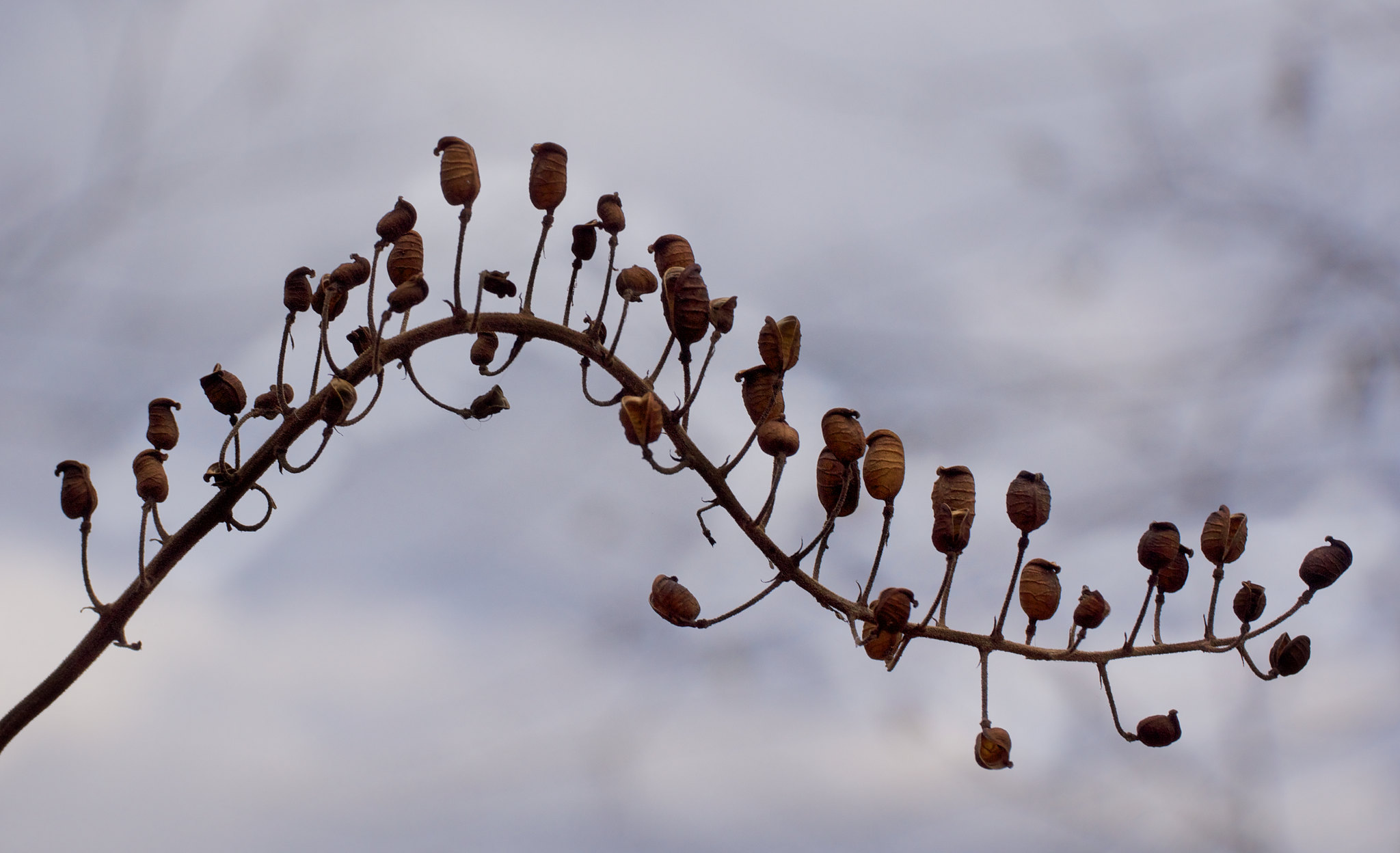
Intro and overview
Actaea racemosa L (formerly Cimicifuga racemosa [L] Nutt) (Ranunculaceae), commonly known as black cohosh, is an herb native to Eastern North America. Black cohosh has a history of traditional use among Native Americans for the treatment of a variety of disorders, including various conditions unique to women such as amenorrhea and menopause. Contemporary uses of black cohosh are primarily geared toward the treatment of symptoms of menopause, such as hot flashes, and menopausal anxiety and depression. Extracts also have been shown to be useful for younger women suffering hormonal deficits following ovariectomy or hysterectomy, as well as for juvenile menstrual disorders. A number of clinical studies using Remifemin, a standardized extract, have demonstrated efficacy for the alleviation of menopausal complaints. The safety profile of black cohosh is positive, with low toxicity, few and mild side effects, and good tolerability. In European phytotherapy, an extract that is standarized to 2.8% total triterpenes glycosides, is commonly prescribed as an effective alternative to hormone replacement therapy for menopause. Black cohosh extracts results in relief of symptoms, such as hot flushes, outbreaks of sweating, restlessness, anxiety and irritability. Psychological as well as emotional symptoms are improved.[1]








0 Comments