
Coronavirus, COVID-19, SARS, Ozone therapy
COVID-19, MERS, SARS, and Other Emerging Coronaviruses: Theoretical Considerations and a Proposal for Critical Care Parenteral Blood Ozonation
© 2020 by Gérard V. Sunnen, MD
BOX
This article has been abridged from the original. Full article and references are available at townsendletter.com.
Ozone: Physical and Physiological Properties
The oxygen atom exists in nature in several forms:
-
As a free atomic particle (O), normally produced in the course of metabolism, it is highly reactive and unstable. Exogenous antioxidants are sometimes used to temper its metabolic effects.
-
Oxygen (O2), its most common and stable form, is colorless as a gas and pale blue as a liquid. In its ability to give up one of its atoms and accept electrons in return, it drives numerous metabolic reactions.
-
Ozone (O3), distinctly blue as a gas and dark blue as a solid, has a molecular weight of 48, a density one and a half times that of oxygen, and contains a large molecular energy excess (O3 → 3/2 O2+ 143 KJ/mole), which can be imparted to many other molecules. Its bond angle of 127 ± 3°, resonates among several forms.
-
O4 is a very unstable, rare, nonmagnetic pale blue gas formed at the interface of earth’s stratosphere’s outer layer where the sun’s radiation first encounters earth. O4 readily breaks down to two molecules of oxygen.
Ozone (O3), a naturally occurring configuration of three oxygen atoms, has a half-life of about one hour at room temperature, reverting to oxygen. A powerful oxidant, ozone has unique biological properties. Since some ozone-based therapies are administered by interfacing gaseous oxygen/ozone with blood, basic research on ozone’s biological dynamics have often centered upon its effects on blood cellular elements (erythrocytes, leucocytes, and platelets), and on its serum components (proteins, lipids, lipoproteins, glycolipids, carbohydrates and electrolytes).
The effects of ozonation on whole blood are extraordinarily complex and are far from adequately elucidated. Indeed, ozone can react with serum proteins, including enzymes, immunoglobulins, clotting factors, hormones, vitamins, lipoproteins and cholesterol, carbohydrates (including glucose), and electrolytes, among others. Comparing blood to an orchestra, ozone administration can be likened to the introduction of a novel and powerful musical instrument, affecting the interactions of all others.
Even though an in-depth analysis of ozone’s multifaceted effects upon the panoply of blood constituents is beyond the intent and scope of this article (The reader is referred to Bocci 2013; Smith 2017), the following points of research are significant.
Erythrocytes have been extensively studied in relation to ozone administration. Many studies that have used erythrocyte suspension in physiologic saline have found hemolysis at relatively low ozone dosages (10 to 30 ug/ml). When ozone is administered in whole blood, however, the dynamics of ozone interaction are such that hemolysis begins to be observed at significantly higher doses, implying a buffering action of blood constituents. Moreover, the functionality of erythrocyte enzymes is maintained, suggesting a protective role of blood’s antioxidant systems. There is some evidence that low-dose ozone administration may stimulate erythrocyte formation and release.
Leucocytes, intimately connected to immune function, show good resistance to ozone because, unlike viruses, they possess enzymes that protect them from oxidative confrontation. These enzymes include superoxide dismutase, glutathione, and catalase. A promising area of research centers on cytokine and interferon stimulation in ozone administration and its implication for enhancing immune function. A classical adage of ozone therapy is that lower ozone dosages are stimulating to immune action while higher dosages become inhibitory. Further research will need to clarify the parameters of this phenomenon, as well as the effects of ozone infusion upon different types of leucocytes in relation to the disease under treatment.
Ozone: Antipathogenic Properties
Recently, there has been renewed interest in the potential of ozone for viral inactivation in vivo. It has long been established that ozone effectively works against the viability of bacteria, viruses, fungi, and parasites in aqueous media. This has prompted the creation of water purification processing plants in now hundreds of major municipalities worldwide (e.g., Los Angeles, Paris, Moscow). Ozone’s unique physicochemical and biological properties and its environmentally-friendly features have since been applied to a panoply of industrial uses such as the packaging of pharmaceuticals, the treatment of homes and buildings (sick building syndrome), the treatment of indoor air in operating theaters and nursing homes, and the disinfection of large-scale air conditioning systems in hospitals.
Ozone’s remarkable capacity for pan-antipathogenic action have been applied to the treatment of poorly healing wounds and burns.
A partial list of organisms susceptible to ozone inactivation in these clinical situations includes all those commonly contaminating all manner of wounds, both aerobic and anaerobic bacteria, Bacteroids, Campylobacter, Clostridium, Corynebacteria, Escherichia, Klebsiella, Legionella, Mycobacteria, Propriobacteria, Pseudomonas, Salmonella, Shigella, Staphylococcus, Streptococcus, and Yersinia.
Ozone-susceptible viruses include Adenoviridae, Filiviridae, Hepnaviridae, Herpesviridae, Orthomyxoviridae, Picornaviridae, Reoviridae, Retroviridae, and Coronaviridae.
Ozone-sensitive fungi include Actinomycoses, Aspergillus, Candida, Cryptococcus, Epidermophyton, Histoplasma, Microsporum, and Trichophyton, among others.
Some viruses are more susceptible to ozone’s action than others. It has been found that lipid-enveloped viruses are the most sensitive. This makes intuitive sense, since enveloped viruses are designed to blend into the dynamically constant milieu of their mammalian hosts. This group includes hepatitis B and C, herpes 1 and 2, Cytomegalus (Epstein-Barr), HIV 1 and 2, influenza A and B, West Nile virus, Togaviridae, Eastern and Western equine encephalitis, rabies, and Filiviridae (Ebola, Marburg), among others. Prominent are all Coronaviridae family members, including Covid-19, SARS, and MERS.
The envelopes of viruses provide for intricate cell attachment, penetration, and cell exit strategies. Peplomer crowns, finely tuned to adjust to changing receptors on a variety of host cells, constantly elaborate slightly new glycoprotein configurations under the direction of the viral genome, thus adapting to host cell defenses. Lipid-enveloped viruses leave their coats on entering cells, replicate by hijacking host genetic integrity, then exit surreptitiously though host cell membranes donning usurped fashionable new garments. But lipid coats and envelopes are fragile; they are easily oxidized and destroyed by ozone’s actions.
Lipid-enveloped viruses in aqueous media are readily inactivated by ozone via the oxidation of their envelope lipoproteins and glycoproteins. In whole blood, however, ozone’s viricidal actions are buffered by the spectrum of its components, and ozone becomes less effective. This situation is further complicated in the case of retroviruses, which ensconce themselves within host DNA, and in Herpesviridae, where virions have the capacity to persist indefinitely in their hosts through the formation of episomes in the nuclei of the cells that harbor them.
Several studies have reported the safety and the benefits of ozone administration in vivo. Wells et al. (1991) showed that ozone-treated HIV-spiked Factor VIII maintained its biological capacity, and that, concomitantly, there was an 11-log reduction in virion presence.
The improvement of liver enzymes in hepatitis C patients after several months of ozone therapy was described. An 80% hepatitis C viral load reduction in 82 patients using autohemotherapy was also reported. It is remarkable, however, that to date, no adequate double-blinded study has addressed ozone therapy in viral conditions such as hepatitis B and C, HIV, or herpes—all long-time afflicters of humans.
Ozone: Clinical Methodology
Ozone may be utilized for the therapy of a spectrum of clinical conditions and may involve external and internal applications. Most promising are externally-applied oxygen/ozone gas mixtures for the resolution of diabetic and vascular skin ulcers that are notoriously difficult to heal and all too often result in limb amputations (Sunnen, USPTO patent # 6,073,627, “Apparatus for the application of ozone/oxygen for the treatment of external pathogenic conditions”).
In the technique of ozone autohemotherapy (AHT), an aliquot of blood (50 to 500 ml) is withdrawn from a virally afflicted patient, anticoagulated, interfaced with a calibrated ozone/oxygen mixture, then reinfused. This process is repeated serially, in a manner consonant with treatment protocols until viral load reduction and symptom abatement are observed.
Another, more experimental and more intensive technique of oxygen/ozone gas administration, is called extracorporeal blood oxygenation ozonation (EBOO), which treats the entire blood volume using an ozone-resistant hollow-fiber oxygenator-ozonizer, much in the model of dialysis intervention. Bocci describes the caveats in using this method, not the least of which involves problems interfacing complex biomechanical machinery with a lethal agent. Given human ingenuity, however, these problems are solvable.
This and similar methods are likely to be the most efficient in culling the massive virion waves that viremic episodes spawn. For the present time, however, AHT offers simpler—yet totally un-researched in Covid-19—interventions that involve only one venipuncture per treatment (while EBOO requires two). Research is first needed to gauge EBOO’s viral culling action in innocuous Covid-19 surrogates.
Ozone: Possible Mechanisms of Anti-Viral Actions
The average adult has four to six liters of blood, accounting for about 7% of body weight. How can any viral load reduction reported via ozone therapies be explained in the face of a technique that treats relatively small percentages of blood volume, as in AHT, albeit serially? Would not more comprehensive approaches, that recruit the entire blood and lymph volumes, much as in dialysis, be more efficient in Covid-19 virion harvesting? All is fodder for research, yet several theoretical bases for blood-to-oxygen/ozone interfacing suggest that the viral culling effects of ozone in infected blood may recruit a variety of mechanisms. Research is needed to ascribe relative importance to each of these, and possibly other mechanisms accounting for ozone’s anti-viral actions:
-
The denaturation of virions through direct contact with ozone. Ozone, via this mechanism, disrupts viral proteins, lipoproteins, lipids, glycolipids, and glycoproteins. The presence of numerous double and triple chemical bonds in these molecules makes them vulnerable to the oxidizing actions of ozone’s molecule, which readily donates its oxygen atom and accepts electrons in redox reactions. Unsaturated chemical bonds are thus reconfigured, viral molecular architecture is disrupted, and breakage of the envelope ensues. Deprived of an envelope, virions cannot sustain nor replicate themselves.
-
Ozone proper and the peroxide compounds it creates may alter structures of the viral envelope that are necessary for attachment to host cells. Peplomers, the viral glycoproteins protuberances that connect to host cell receptors, are posited to be likely sites of ozone action. Even minimal alterations in peplomer integrity through lipoprotein peroxidation could impair attachment capability to host cellular membranes, thus foiling viral attachment and penetration.
-
Introduction of ozone into the serum portion of whole blood induces the formation of lipid and protein peroxides. While these peroxides are not toxic to the host in quantities produced by ozone therapies, they nevertheless possess oxidizing properties of their own that persist in the bloodstream for up to several hours. Peroxides created by ozone administration show long-term antiviral effects that may serve to further reduce viral load.
-
The immunological effects of ozone have been documented. Cytokines, proteins manufactured by several types of cells, regulate the functions of other cells. Mostly released by leucocytes, they are important in mobilizing immune reactivity. Ozone-induced release of cytokines may constitute an avenue for the reduction of circulating virions.
-
Ozone’s actions on viral particles circulating in infected blood yield several possible outcomes. One outcome is the modification of virions so that they remain grossly structurally intact yet sufficiently dysfunctional as to be nonpathogenic. This attenuation of viral particle functionality through slight modifications of the viral envelope, and possibly the viral genome itself, not only modifies pathogenicity but also allows the host to diversify its immune response. The creation of dysfunctional viruses by ozone offers novel therapeutic possibilities. In view of the fact that so many mutational variants exist in any one afflicted individual, the creation of an antigenic spectrum of crippled virions could provide for a unique host-specific stimulation of the immune system, thus designing what may be called a host-specific autovaccine.
-
An exciting research thrust suggests that the viricidal properties of antibodies are predicated upon their ability to catalyze highly active forms of oxygen, including ozon. A key element in the microbe-inactivating capacity of antibodies may thus reside in the formation of ozone and other oxygen reactive species (ROS) integral to antigen-antibody reactions. Indeed, according to these revolutionary findings, the very crux of our human defense against microorganisms may reside in our capacity to produce endogenous ozone and ROS. Exogenously administered ozone may, in this model, add to the efficacy of the body’s antigen-antibody dynamics.
COVID-19, MERS, SARS, and Ozone: The Future of Research
Covid-19, MERS, and SARS are produced by novel coronaviruses that have succeeded in breaching the immunological defenses of our contemporary human populations. They appear to have developed an uncomfortable balance between viral propagation and lethality.
A universal strategy in mastering infections, whether bacterial or viral, is the body’s culling of pathogenic organisms to the point where they no longer represent an invasive and replicative threat. This may be achieved by responsive systems of host immune counter-offense, with molecular memory capable of neutralizing future viral attacks.
Covid-19, SARS, and MERS are acute, rapidly progressing, pan-inflammatory infections that, predicated upon the coronavirus quasi-species involved, may present distressful morbidity and mortality outcomes. A salient clinical configuration in these infections stems from their acute involvement of the respiratory system and their rapid disruption of blood gas balance. When pO2 and pCO2 are sufficiently compromised, chemoreceptors in the medulla begin to fail and respiration stops.
Because of their galloping symptomatology, Covid-19, MERS, and SARS ideally would benefit from proactive emergency viral culling. With estimated 10 billion viral particles disgorged daily in the general circulation, viremic reproductive juggernauts commonly seen in lipid-enveloped viral cycles need modulation.
Can systemically administered oxygen/ozone mixtures assist in this process? In severe Covid-19 cases, the disease progression may be stunningly rapid. Present countermeasures are non-existent. Indeed, Covid-19 may need more intensive intervention and emergency abatement of viral aggressiveness.
COVID-19, MERS, and SARS: Disinfection/Sterilization of the Environment
The recent findings that Covid-19 has the capacity to remain infectious on fomites for up to several days indicates that it is a hardier organism than most of its other lipid-enveloped colleagues.
Predictably, disinfectants such as bleach, phenol, formaldehyde and ozone have been found to be effective in deactivating the coronaviruses. Liquid agents have the disadvantage of faring poorly in decontaminating complex medical equipment and the hospital room milieus of coronavirus patients. Medizone International Inc. has developed a patented ozone/hydrogen peroxide mix that is remarkably effective in decontaminating the surfaces, nooks, and crannies of hospital treatment rooms and patient rooms (and ships’ quarters) from all pathogenic organisms.
Ozone, in light of its pan-viricidal profile, offers the advantage of existing as a gas, with its attendant ability to disinfect poorly accessible spaces. Moreover, ozone has the distinct benefit of naturally reverting to natural oxygen molecules, while liquid–based disinfectants are likely to injure the surfaces to which they are applied and to leave toxic residues. Ozone-mediated environmental decontamination, however, needs to respect stringent protocols to ensure that the ambient ozone in the process of disinfecting target environments has time to revert to its stable parent, oxygen, without inflicting toxicity to the personnel.
Summary and Conclusions
Covid-19, SARS, and MERS are acute pan-inflammatory multi-system syndromes caused by hitherto unknown coronavirus species. These virions incorporate novel RNA genomes and lipid bi-layered envelopes. The Covid-19, SARS, and MERS viruses all possess high mutation rates, allowing any one infected individual to harbor numerous quasi-species, all with variable infectivity and lethality.
Ozone is an energy-rich naturally occurring molecule that embodies unique physico-chemical and biological properties suggesting a possible role in the systemic therapy of Covid-19, MERS, and SARS, either as a monotherapy or, more realistically, as an adjunct to standard treatment regimens. Ubiquitously found in the earth’s ecosphere, ozone, amazingly, is also intrinsically found in bodily systems, generated by normal immune functions as an inactivator for multitudes of pathogens.
This paper outlines six possible mechanisms by which ozone may exert its antiviral actions. Due to the excess energy inherent in the ozone molecule and supported by the vast scientific literature attesting to its pan-microbial powers, it is quasi-certain that ozone can demonstrate effectiveness across the entire coronavirus spectrum.
The acute infective phase of Covid-19 is marked by massive viral replications with viral flooding of blood and lymph compartments. These viremic invasions present serious clinical challenges because they contribute to the swiftness of downhill clinical courses. This paper proposes a method of viral culling, during these acute phases of coronavirus illnesses, via systemically administered oxygen/ozone gas-to-blood interfacing strategies.
Herewith proposed is consideration for the modification of technologies that already use blood-to-oxygen interfacing for assisting patients in cardiopulmonary distress for maintaining proper blood gas configurations. The technology, developed since the 1950s and known as extracorporeal membrane oxygenation (ECMO), can be upgraded to accept ozone’s addition by rendering its systems, such as gas exchange membranes, ozone-resistant. Posited is that appropriately calibrated added ozone dosages can become adjuncts to the mission of assisting Covid-19 patients maintain not only healthy blood oxygen/carbon dioxide balance, but also provide them with Covid-19 viral harvesting and elimination.
Ozone has unique disinfectant properties. As a gas, it has a penetration capacity that liquids do not possess. In view of the fact that Covid-19, MERS, and SARS persist on fomites for up to several days, it is suggested that ozone technology be applied to the decontamination of medical and other environments.
As our world becomes increasingly challenged by viral adversaries, the need for rapidly developing specific vaccines adapted to each viral species becomes evident. Yet, in parallel, research also needs to center on finding new methods of relieving the biological stress caused by onslaughts of viremic invasions that are common to many families of pathogenic viruses. The coronaviruses are a case in point, as they all possess lipid envelopes susceptible to structural modifications by ozone.
In conclusion, a proposal is herewith made that oxygen/ozone systemic therapies are granted research consideration for Covid-19 treatment. Such therapeutic approaches may then be found useful not only in these specific coronavirus conditions, but also in a number of human lipid-enveloped viral pathogenic infections, and importantly for the future coronavirus epidemics that are certain to emerge.
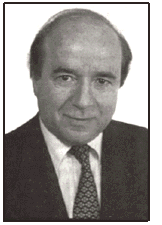 Gérard V. Sunnen, MD, received his medical degree from the State of New York Medical School, Downstate Medical Center. Following an internship in surgery and medicine at Bellevue Hospital, New York, he was appointed resident, then chief resident at Bellevue Psychiatric Hospital. He has practiced medicine and psychiatry in general hospital, academic, Air Force, forensic and hospice settings. Dr. Sunnen was certified as Diplomate of the American Board of Psychiatry and Neurology in 1977. He was appointed Assistant Clinical Professor of Psychiatry at the New York University-Bellevue Medical Center in 1977, and Associate Clinical Professor in 1987.
Interested in medical research for many years, Dr. Sunnen was president and director of research, from 1997 to 2002, of Medizone International, Inc., a publicly held company engaged in the research and development of ozone-based technologies for diseases caused by lipid-enveloped viruses and for biological fluid decontamination. He is the recipient of two patents relative to the medical use of ozone’s unique antimicrobial dynamics for the healing of diabetic skin ulcers and poorly healing surgical skin lesions. In 2005, Dr. Sunnen founded Ozonics International, LLC, a company dedicated to the development of ozone-based and other forward-looking medical technologies.








0 Comments