
I am only slightly embarrassed to admit that what I have written below reminded me of an old nursery rhyme, which went:
All around the mulberry bush
The monkey chased the weasel.
The monkey thought it was all in fun
Pop! goes the weasel.
In December 2021, Lori McClintock, wife of Tom McClintock, who is a member of the US House of Representatives from California, died suddenly and unexpectedly. Mrs. McClintock had apparently been healthy and had just joined a gym. In August 2022 the report issued by the Sacramento County coroner, Kimberly Gin, was released to the public. According to the report, the cause of death was dehydration due to gastroenteritis and due to the adverse effects of white mulberry leaf ingestion. It appears that the entire basis for concluding that white mulberry leaf was a cause of death was that a partially digested white mulberry leaf was found in Mrs. McClintock’s stomach. Gin’s conclusion is even more remarkable, considering that her herbal consultant wrote in a letter to the coroner’s office that white mulberry leaf is nontoxic.1
This case was widely reported in the media, in part because McClintock was the wife of a public figure and also because, for some reason, it is considered newsworthy when a nutrient or herb gets blamed for causing someone’s death. In contrast, the media rarely reports on the tens of thousands, if not hundreds of thousands of deaths that are caused each year by prescription drugs. McClintock’s case also stirred interest because of the immediate pushback that came from many scientists, herbalists, and pathologists, who argued that there was no evidence to support the coroner’s conclusion that white mulberry leaf was a cause of death.
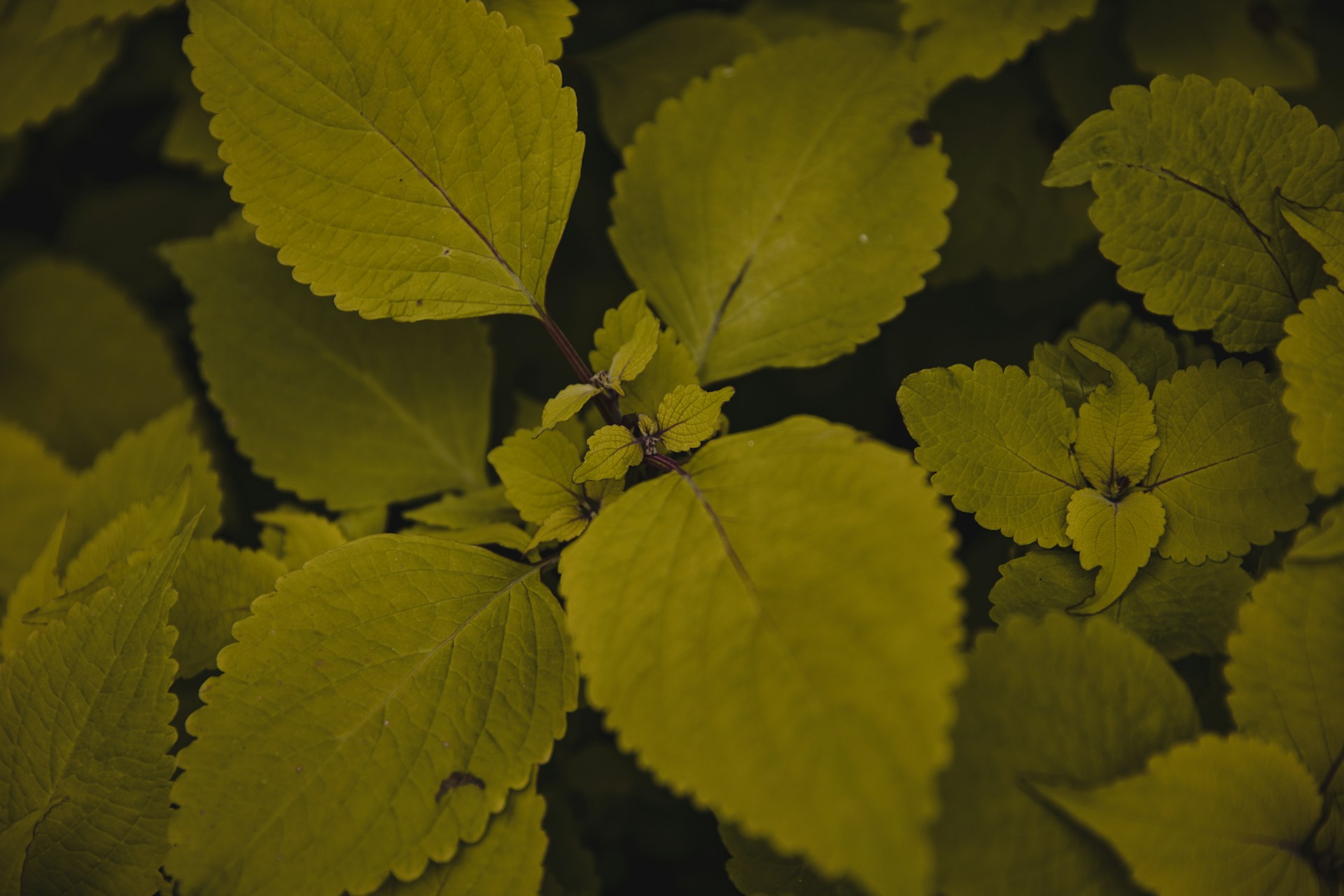
The leaves of the white mulberry tree have been used for medicinal purposes in China for hundreds of years, and the whole leaf or extracts from the leaf are currently being used in many countries. White mulberry leaf is widely considered a nontoxic herb. In acute toxicity studies in rats, no adverse effects were seen after oral administration of 15 g of the leaf per kg of body weight. In subacute toxicity tests, no adverse effects were seen with a dose of 7.5 g per kg per day.2
According to Bill Gurley, from the University of Mississippi’s National Center for Natural Products Research, “It would take literally bushel baskets of white mulberry leaves to cause some type of untoward effect. And even then, you don’t see anything lethal.” Dr. Gregory Davis, who is the director of the forensic division of the University of Alabama-Birmingham’s Department of Pathology and chief coroner and medical examiner for Jefferson County, Alabama, stated that white mulberry leaf is considered nontoxic, and that he is not convinced it played a role in McClintock’s death. And Dr. James Gill, chairman of the College of American Pathologists’ Forensic Pathology Committee and chief medical examiner of Connecticut, stated that he would have concluded that McClintock’s death was a natural death due to unknown causes.1
Mainstream medicine has a long history of uncritically accepting weak evidence regarding alleged toxicity of natural medicines. Such evidence is sometimes exploited to try to convince the public that natural medicine is dangerous and to provide ammunition for those who want to place more regulations and unnecessary restrictions on dietary supplements. While it is important for the public to be informed about natural remedies that are truly dangerous, promulgating false claims about toxicity is not in the public interest. It is therefore incumbent on the Sacramento County coroner to reopen the McClintock case, in order to determine if there is more convincing evidence that white mulberry leaf contributed to her death. If the coroner is not able to provide such evidence, she should reclassify the cause of death as “unknown.”
Going back to the nursery rhyme that I recited at the beginning of this editorial (which ends with “Pop! goes the weasel”), I am slightly more embarrassed to try to connect it to the McClintock case. But here it goes: One of the definitions of “weasel” is an untrustworthy person. And one of the definitions of “to pop” (or more accurately, to “pop off”) is to talk thoughtlessly. It would be unfair to label the coroner in this case as untrustworthy because I do not know what led her to conclude that white mulberry leaf was a killer herb. However, unless additional information is provided, it would be reasonable to suggest that the coroner’s diagnosis cannot be trusted, and I would feel justified in amusing myself by labeling her pronouncement (as the title of this editorial suggests) a mulberry bush-league diagnosis.
References
1. https://www.cbsnews.com/news/experts-question-white-mulberry-death-of-lori-mcclintock-congressmans-wife/↩︎
2. Li Y, et al. Safety evaluation of mulberry leaf extract: Acute, subacute toxicity and genotoxicity studies. Regul Toxicol Pharmacol. 2018;95:220-226.↩︎








0 Comments