
Fibromyalgia
by Leslie Axelrod, ND, LAc
More patients are being diagnosed with fibromyalgia (FM) since the incorporation of the latest 2010 diagnostic criteria. Previously a diagnosis of FM was based on positive physical exam findings revealing 11 of 18 tender points.1 The new criteria recognize the wide array of somatic symptoms and multisystem involvement which were neglected in the previous diagnostic criteria. The physical exam component is substituted for subjective reporting as a widespread pain index (WPI). PE and labs are utilized primarily to rule out other conditions, such as myofascial pain syndrome, hypothyroid, inflammatory myositis, and vitamin D deficiency. The combination of the WPI tally and symptom severity scale (SS) are used to confirm the diagnosis of FM when the symptoms are present for at least 3 months and cannot be accounted for by another condition.2
FM is a diagnosis of exclusion and may be challenging to treat due to multisystem involvement. Biochemical and functional changes are exacerbated by a lack of sleep and chronic pain, leading to a variety of symptoms. A comprehensive therapeutic approach is essential to treat at the symptomatic level, as well as the underlying dysfunction.
Sleep
The criteria highlight fatigue, waking unrefreshed and presence of cognitive changes.3 hypothalamic-pituitary-adrenal (HPA) dysfunction is a key player in sleep disturbance. Abnormal circadian rhythm contributes to elevated evening cortisol and melatonin dysregulation.4 A study by Crofford stated that FM patients appeared to have a “loss of HPA axis resiliency.”5 It is essential to restore normal sleep patterns for any chronic patient to heal, especially with FM, which can improve symptoms, and will help restore HPA axis function.
Phosphatidyl serine
(PS) has been shown to decrease cortisol and abnormal ACTH associated with stress and extreme exercise.6 Clinically, I have seen PS 100 mg be helpful for patients experiencing insomnia associated with elevated nighttime cortisol. However, FM patients are at various stages of adrenal dysfunction and 24 hour cortisol testing is indicated.
Melatonin
3 mg at bedtime has been shown to be effective in improving sleep, as well as decreasing tender point number and pain level in FM patients.7 A formula of standardized extracts of
Valeriana officinalis, Passiflora incarnata
and
Humulus lupulus
was compared with zolpidem (Ambien) in primary insomnia, revealing no statistically significant difference between the two.8
Lavendula oil
capsules improved sleep in patients with anxiety as well as depression, both psychological manifestations associated with FM.9,10 A randomized placebo double-blind study of
Hypericum perforatum (
St. John’s wort) revealed significant improvement in sleep, fatigue and depression, as well as increasing serotonin levels in depressed patients. 11
Mood, Pain, and Neurotransmission
Abnormal serotonin, dopamine, and adrenaline metabolism contribute to mood changes, as well as pain in FM. Reduced serotonin precursors such as tryptophan, 5-HTP and S-adenosyl-L-methionine (SAMe) negatively affect the conversion of serotonin to melatonin. Conversion of tryptophan to serotonin involves 5-HTP and may be blunted by stress, and
pyridoxal 5
‘
-phosphate
and
magnesium
deficiency.12 Studies revealed that supplementation of 5-HTP or SAMe improved sleep, fatigue, mood, and tender point counts.13,14 A nutrient IV,
Myers cocktail
, which contains magnesium, B vitamins, ascorbic acid, and other nutrients, showed statistically significant improvement in depression and pain with FM. Nutritional IVs are typically included in my FM treatment protocol and I have seen patients dramatically respond to a series of Myers cocktails, 1 per week for 4 weeks, or in some cases just
IV magnesium
(3 ml MgCl 200 mg/ml in sterile water), every 1 to 2 weeks.
Gut
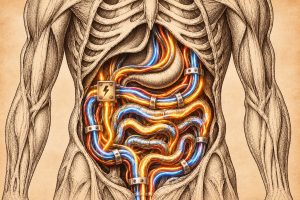
Functional gastrointestinal disorders are found in the majority of FM patients, with one study citing 98%, compared with 39% of controls. Irritable bowel syndrome (IBS) is the most prevalent GI issue.15 Studies have demonstrated that patients with IBS alone or in combination with FM have hypersensitivity to somatic and visceral pain.16 Decreased serotonin levels have been associated with functional changes such as constipation and diarrhea.17 A majority of patients with IBS identified food sensitivities as a trigger for their symptoms. Immune system activation of IgG and IgE has been associated with IBS, as well as migraines, another common manifestation of FM. 18 Studies showed that elimination of all reactive foods resulted in dramatic improvement in both conditions.19,20 In my experience,
removal of all reactive foods
found by either IgG testing or a comprehensive elimination diet significantly reduces a number of symptoms, especially pain. The patient will remove the foods for a minimum of 2 to 4 weeks, prior to reintroduction. If symptoms occur upon reintroduction, the food is eliminated from the diet. If IgG food sensitivity testing is chosen, it is essential to find a reliable laboratory with consistent results.
The severity of abdominal pain in some FM patients has been associated with the extent of small intestinal bacterial overgrowth (SIBO).21 Significant improvement in pain and depression occurred with complete eradication of the dysbiosis with antibiotics.22 Recurrence rate is high after discontinuation of antibiotic therapy.23 It is essential to correct predisposing factors which may include disturbances in
gastric, gall bladder, and pancreatic secretions
which are bactericidal and/or bacteriostatic. Improving gut barrier function can help prevent bacterial translocation and can be achieved with
glutamine
supplementation.24,25 Other contributing factors include reduced
intestinal motility, ileocecal valve
dysfunction, and
secretory IgA
abnormalities.26
Herbal therapy was found to be “at least as effective as rifaximin” and “as effective as triple antibiotic therapy for resolution of SIBO by lactose breath test.”27 Studies have shown SIBO eradication with
berberine compounds
and
allium
.28,29 Researchers found
peppermint and coriander seed oils
more effective than rifaximin, in vitro.30 Whether the agent used is natural or a synthetic drug, the health and functioning of the gastrointestinal tract must be addressed, or the SIBO will likely reappear.
Mind/Body
The increased prevalence of psychological distress and adverse life events, including abuse in FM patients, must be considered when addressing gut health, as well as pain sensitivity, cognitive dysfunction, mood changes, and insomnia.31,32 A variety of techniques have been shown to be helpful for this population, including qi gong, mindfulness training, meditation, and pool exercises.33–36
Exercise Endurance and Muscle Involvement
Exercise is an important part of a therapeutic plan; however, it is frequently challenging for patients with FM to exercise. Elevated baseline concentrations of inflammatory cytokines including IL-8, and stress hormones cortisol and noradrenaline, which contribute to pain, were found in FM patients, compared with healthy female controls. After 45 minutes of moderate cycling, the inflammatory and stress markers decreased to levels similar to the baseline of female controls, contrary to the expected increase found in healthy individuals post moderate exercise.37 Increased serotonin levels were also found in FM patients after aerobic exercise (less serotonin release after stretching exercises).38 Despite the potential for postexercise improvement, patients have a reduced functional capacity to perform activities. Lower oxygen consumption, along with increased pain and perceived effort resulted after a 6-minute walk.39 Diminished circulation is associated with presence of tender points.40
CoQ10
, involved in aerobic cellular respiration, increases exercise endurance in normal volunteers and when combined with
Gingko biloba
improves tissue perfusion and quality of life measures in FM patients.41,42
In a case report, a patient who met the diagnostic criteria for fibromyalgia was diagnosed with a mitochondrial myopathy when she was unresponsive to conventional therapies. She exhibited elevated lactic acid levels after a 6-minute walk. The authors prescribed a
compound of CoQ10 200 mg, creatine 1000 mg, carnitine 200 mg, and folic acid 1
mg 4 times daily, resulting in significant improvement over several months.43
Acetyl-L-carnitine
(ALC) is a necessary substrate for ATP production by skeletal muscle during exercise and it can be used alone or with other supplements. A dosage of 1500 mg of ALC significantly improved depression, number of tender points, and musculoskeletal pain in a randomized, placebo-controlled study of 122 FM patients.44
Mitochondrial dysfunction is prevalent in FM. Elevated interstitial concentrations of lactate and pyruvate were found in the trapezius muscle of FM patients at rest, compared with controls.45 This would indicate the likelihood of elevated lactic acid levels also at rest in FM since lactic acid production is a byproduct of pyruvate and precursor to lactate. Conversion from pyruvate to lactic acid is typically associated with insufficient oxygenation during exercise. Lactic acid drops a hydrogen atom to produce lactate, creating a more acidic environment when excessive levels are present. The combination of increased pyruvate, lactate, and likely lactic acid implies poor tissue oxygenation as well as a lower pH in the interstitium. This scenario is associated with increased muscle fatigue. I use
homeopathic L+ lactic acid
(Sanuvis), multiple times daily to help decrease muscle pain and fatigue in FM patients.
Conclusion
Treating FM patients can be difficult due to the multitude of aberrant biochemical pathways, including endocrine, neurotransmitter, circulatory, and structural. The therapeutics discussed are only a few of the many different ways to treat FM patients. The goals are the same no matter what the particular therapy is: to improve sleep, reduce pain, normalize HPA axis, address gut health, increase tissue oxygenation, and improve vitality. Treatment is not restricted to nutraceuticals, botanicals, diet, or exercise.
Acupuncture
or wearing
woolen long underwear
can improve pain level and tender point count in FM, likely due to increased circulation and oxygenation.46,47 Addressing basic life functions such as sleep, diet, and digestion is essential and must be part of the therapeutic plan. Etiology is frequently difficult to pinpoint, but may provide clues to a treatment plan. In order to address the wide array of symptoms and systems affected, a multidimensional approach needs to be considered for these complex patients.
Notes
1. Wolfe F et al. The American College of Rheumatology 1990 criteria for the classification of fibromyalgia. Report of the Multicenter Criteria Committee. Arthritis Rheum. 1990;33(2):160–172.
2. Wolfe F et al. The American College of Rheumatology preliminary diagnostic criteria for fibromyalgia and measurement of symptom severity. Arthritis Care Res. 2010;62(5):600–610.
3. Korszun A. Sleep and circadian rhythm disorders in fibromyalgia. Curr Rheumatol Rep 2000:2(2):124–130.
4. Wikner J et al. Fibromyalgia – a syndrome associated with decreased nocturnal melatonin secretion. Clin Endocrinol (Oxf). 1998;49(2):179–183.
5. Crofford LJ et al. Basal circadian and pulsatile ACTH and cortisol secretion in patients with fibromyalgia and/or chronic fatigue syndrome. Brain Behav Immun. 2004;18(4):314–325.
6. Hellhammer J et al. Effects of soy lecithin phosphatidic acid and phosphatidylserine complex (PAS) on the endocrine and psychological responses to mental stress. Stress. 2004 Jun;7(2):119–126.
7. Citera G et al. The effect of melatonin in patients with fibromyalgia: a pilot study. Clin Rheumatol. 2000;19(1):9–13.
8. Maroo N et al. Efficacy and safety of a polyherbal sedative-hypnotic formulation NSF-3 in primary insomnia in comparison to zolpidem: a randomized controlled trial. Indian J Pharmacol. 2013 Jan–Feb;45(1):34–39.
9. Woelk H, Schläfke S. A multi-center, double-blind, randomised study of the Lavender oil preparation Silexan in comparison to Lorazepam for generalized anxiety disorder. Phytomedicine. 2010 Feb;17(2):94–99.
10. Fißler M, Quante A. A case series on the use of lavendula oil capsules in patients suffering from major depressive disorder and symptoms of psychomotor agitation, insomnia and anxiety. Complement Ther Med. 2014 Feb;22(1):63–69.
11. Rahimi R. Efficacy and tolerability of Hypericum perforatum in major depressive disorder in comparison with selective serotonin reuptake inhibitors: a meta-analysis. Prog Neuropsychopharmacol Biol Psychiatry. 2009;33(1):118–127.
12. Caruso I et al. Double-blind study of 5-hydroxytryptophan versus placebo in the treatment of primary fibromyalgia syndrome. J Int Med Res. 1990:18(3):201–209.
13. Sarzi P, Caruso I. Primary fibromyalgia syndrome and 5-hydroxy-L-tryptophan: a 90-day open study. J Int Med Res. 1992;20(2):182–189.
14. Jacobsen S et al. Oral S-adenosylmethionine in primary fibromyalgia. Double-blind clinical evaluation. Scand J Rheumatol. 1991;20(4):294–302.
15. Almansa C et al. Prevalence of functional gastrointestinal disorders in patients with fibromyalgia and the role of psychologic distress. Clin Gastroenterol Hepatol. 2009;7(4):438–445.
16. Caldarella MP et al. Sensitivity disturbances in patients with irritable bowel syndrome and fibromyalgia. Am J Gastroenterol. 2006 Dec;101(12):2782–2789.
17. Crowell MD. Role of serotonin in the pathophysiology of the irritable bowel syndrome. Br J Pharmacol. 2004;141(8):1285–1293.
18. Zuo XL et al. Alterations of food antigen-specific serum immunoglobulins G and E antibodies in patients with irritable bowel syndrome and functional dyspepsia. Clin Exp Allergy. 2007;7(6):823–830.
19. Zar S et al. Food-specific IgG4 antibody-guided exclusion diet improves symptoms and rectal compliance in irritable bowel syndrome. Scand J Gastroenterol. 2005;40(7):800–807.
20. Arroyave H. Food allergy mediated by IgG antibodies associated with migraine in adults. Rev Alerg Mex. 2007;54(5):162–168.
21. Goebel A et al. Altered intestinal permeability in patients with primary fibromyalgia and in patients with complex regional pain syndrome. Rheumatology (Oxford). 2008;47(8):1223–1227.
22. Pimentel M. Eradication of small intestinal bacterial overgrowth reduces symptoms of irritable bowel syndrome. Am J Gastroenterol. 2000;95(12):3503–3506.
23. Lauritano EC et al. Small intestinal bacterial overgrowth recurrence after antibiotic therapy. Am J Gastroenterol. 2008;103(8):2031–2205.
24. Spaeth G. Fibre is an essential ingredient of enteral diets to limit bacterial translocation in rats. Eur J Surg. 1995;161(7):513–518.
25. Xu D. Elemental diet-induced bacterial translocation associated with systemic and intestinal immune suppression. J Parenter Enteral Nutr. 1998;22(1):37–41.
26. Bures J. Small intestinal bacterial overgrowth syndrome. World J Gastroenterol. 2010 Jun 28;16(241):2978–2990.
27. Chedid V et al. Herbal therapy is equivalent to rifaximin for the treatment of small intestinal bacterial overgrowth. Glob Adv Health Med. 2014 May;3(3):16–24.
28. Ankri S et al. Antimicrobial properties of allicin from garlic. Microbes Infect. 1999;1(2):125–29.
29. Freile ML et al. Antimcrobial activity of aqueous extracts of berberine isolated from Berberis heterophylla. Fitoterapia. 2003;74(7–8):702–705.
30. Thompson A. Comparison of the antibacterial activity of essential oils and extracts of medicinal and culinary herbs to investigate potential new treatments for irritable bowel syndrome. BMC Complement Altern Med. 2013;28;13:338.
31. Mas AJ et al. Prevalence and impact of fibromyalgia on function and quality of life in individuals from the general population: results from a nationwide study in Spain. Clin Exp Rheumatol. 2008;26(4):519–526.
32. Almansa C. Prevalence of functional gastrointestinal disorders in patients with fibromyalgia and the role of psychologic distress. Clin Gastroenterol Hepatol. 2009;7(4):438–445.
33. Liu W et. al. Benefit of Qigong exercise in patients with fibromyalgia: a pilot study. Int J Neurosci. 2012;122(11):657–664.
34. Sephton SE et al. Mindfulness meditation alleviates depressive symptoms in women with fibromyalgia: results of a randomized clinical trial. Arthritis Rheum. 2007;57(1):77–85.
35. Menzies V. Effects of guided imagery on outcomes of pain, functional status, and self-efficacy in persons diagnosed with fibromyalgia. J Altern Complement Med. 2006;12(1):23–30.
36. Gowans SE, deHueck A. Pool exercise for individuals with fibromyalgia. Curr Opin Rheumatol. 2007;9(2):168–173.
37. Bote ME et al. Fibromyalgia: anti-inflammatory and stress responses after acute moderate exercise. PLoS One. 2013;4;8(9).
38. Valim V et al. Effects of physical exercise on serum levels of serotonin and its metabolite in fibromyalgia: a randomized pilot study. Rev Bras Reumatol. 2013;53(6):538–541.
39. Homann D et al. Impaired functional capacity and exacerbation of pain and exertion during the 6-minute walk test in women with fibromyalgia. Rev Bras Fisioter. 2011;15(6):474–480.
40. Jeschonneck M et al. Abnormal microcirculation and temperature in skin above tender points in patients with fibromyalgia. Rheumatology (Oxford). 2000;39(8):917–921.
41. Mizuno K et al. Antifatigue effects of coenzyme Q10 during physical fatigue. Nutrition. 2008;24(4):293–299.
42. Lister RE. An open, pilot study to evaluate the potential benefits of coenzyme Q10 combined with Ginkgo biloba extract in fibromyalgia syndrome. J Int Med Res. 2002;30(2):195–199.
43. Abdullah M et al. Mitochondrial myopathy presenting as fibromyalgia: a case report. J Med Case Reports. 2012;6:55.
44. Rossini M et al. Double-blind, multicenter trial comparing acetyl L-carnitine with placebo in the treatment of fibromyalgia patients. Clin Exper Rheumatol. 2007;25(2):182–188.
45. Gerdle B. Increased interstitial concentrations of pyruvate and lactate in the trapezius muscle of patients with fibromyalgia: a microdialysis study. Rehabil Med. 2010 Jul;42(7):679–687.
46. Kiyak EK. A new nonpharmacological method in fibromyalgia: the use of wool. J Altern Complement Med. April 2009, 15(4):399–405.
47. Sprott H et al. Microcirculatory changes over the tender points in fibromyalgia patients after acupuncture therapy (measured with laser-Doppler flowmetry). [In German.]Wien Klin Wochenschr 2000;112(13):580–586.
Dr. Leslie Axelrod has been a naturopathic physician since 1987, when she graduated from Bastyr University. She is a professor of clinical sciences at the Southwest College of Naturopathic Medicine. She is also a nationally certified and state licensed acupuncturist. Dr. Axelrod has been in private practice in an integrative rheumatology practice for the past 16 years. She is a published author on the topic of fibromyalgia in the Australian text Clinical Naturopathy: An Evidence-based Guide to Practice (Elsevier 2010, 2nd ed. 2014) and coauthor of “Efficacy of Methylsulfonylmethane (MSM) in Osteoarthritis Pain of the Knee: a Pilot Clinical Trial” (Osteoarthritis Cartilage. 2006 Mar;14[3]:286–294). She has written articles on autoimmunity in Naturopathic Doctor News and Review (NDNR).





0 Comments