
Addiction, and The IV Amino Acid Miracle Therapy
The Amino Acids Revolution, The Miracle to Sober Brain:
The problem of addiction has found its way in all societies globally and it’s causing great medical and social problems to all people either directly or indirectly. It is respecter of nobody and does not care care of ones’ social position in the society. It cuts across all directions of life indiscriminately. Most addicts are unaware of their addiction. Using drugs make a person very vulnerable. Addiction is a progressive chronic disease; It usually reaches a point at which it is harmful not just to the addict but also to their neighbors, friends and relatives as well as to the society as a whole. Addiction is not only a physical consumption disorder involving drugs or alcohol use, but also an emotional and spiritual chaos that fundamentally alter any and every fraction of one’s psyche. Addiction is a spectrum of disorders that create a state of total loss of control, dependency and even slavery not only to material things such a drugs or alcohol but also to more abstract passions such as gambling, sex, texting, video gaming etc… In other words, addiction may refer to a substance dependence e.g. drug addiction or behavioral addiction.
The common denominator in addiction is slavery, loss of control and perpetual suffering that affects the addict and anyone who has any direct or indirect relationship with the victim of addiction.
Addiction treatment is of a complex medical, psychological, and public concern. An optimal Addiction Recovery programs should be comprehensive integrative, and wholistic. The only way we can overcome this epidemic of addiction is through addressing the root causes, not only by using pharmacological methods, but also Nutritional tactics, psychological approaches and rehabilitation exercises. Although the word addiction is merely undiscriminatory each kind of addiction causes somewhat different neuroendocrine-immune dysfunction and has a constitute different Neuroendocrine fabrics stamp. As an example alcohol withdrawal syndrome is due to hyperactivity of central nervous system. Sudden and abrupt reduction of alcohol consumption cause violent autonomic imbalances mainly sympathetic overtone responses affecting the brain (causing seizures) and the gastro-intestinal track causing diarrhea and vomiting. Furthermore the alcohol syndroms encompasses several manifestations ranging from depression, to delirium tremens, to poly-substance abuse, to liver diseases, to acid-base disturbance, to seizures, to Wernicke-Korsakoff syndrome with alcohol cravings.
Prior to effectively addressing treatment of addiction an integrative approach should consider restoring the body acid bace balance, hydration, and appropriate nutrion maily IV nutrition to address the universal Vitamin deficiency in Patricular the B vitamins that are completely depleted in addicts. The Next Phase of tretment should include safe detoxification. 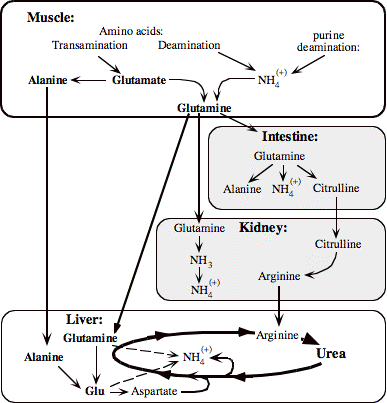 A proper detoxification process, will minimize stormy withdrawal states. A successful detoxification begins by effectively replacing the essential elements needed for a smooth Phase II liver detoxifiction. Phase II liver detoxification depends on an appropriate repair of all the Cofactors and Amino acids pool necessary for proper and effective phase II liver detox. Considering the severe malfuntion of the digestive tract and its minimal efficiency to absorb the necessary nutrients for proper detoxification; one should resort to an aggressive well crafted Restorative Intravenous Nutrition protocol. The well documented inefficiency of the GI system obligates the treating physician to construct the ultimate detox intravenous cocktail. This carfully designed Detoxification brew will produce the ideal nutritional environment that stimulates and enhances suitable liver detoxification correcting dehydration, co-factors deficiencies, and insuring adequte supply of the essential Amino acids that are necessary to enhance the liver detox capability. The liver appropriate amino acids balance is the key to healthy liver support, and bowel decontamination.
We are beginning to scratch the surface of the AminoAcid Revolution and its major role in the treatment of addiction. The purpose of my article is to unvail the crucial role of amino acids in the treatment of Addiction,
So, what are amino acids? And why will Amino Acids therapy revolutionize the field of Integrative Addiction Medecine?
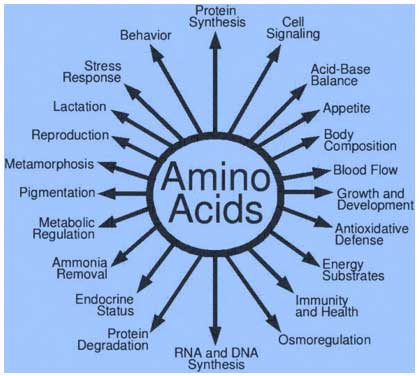
Amino acids are the undiscovered miracle of Healthy living; this area of natural addiction therapy is still unexplored but offers great potentials not only for overall health but specially for Brain Health. These benefits include: proteomics, enzyme therapy and brain Health. The central nervous system (CNS) is almost completely regulated by amino acids and peptides. The importance of Amino acids within the brain is now being recognized, and as a result amino acid therapies are transforming the treatment of psychiatric disease. Later on we will look into the specifics of how amino acids are being used as therapy for brain functions. 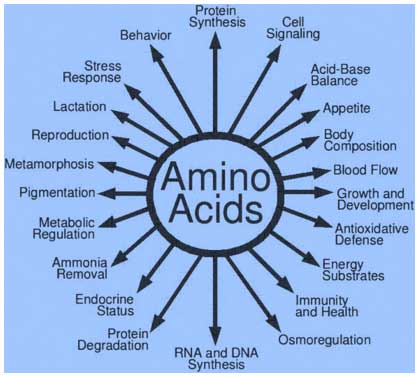 Amino acids are the building blocks of proteins; Proteins are the building blocks of our bodies. There are over 100 amino acids that have been found to occur naturally; each of them differs in R group. Of these 100 amino acids there is a group of amino acids which is involved in making up a protein, there are two classifications within this group: non-essential and essential amino acids. Non-essential or dispensable amino acids are synthesized in the body. The non-essential are: alanine, arginine, aspartic acid, asparagine, cysteine, glutamic acid, glutamine, glycine, proline, serine, and tyrosine. These non-essential amino acids may become “essential” when the body is unable to synthesize them; in this case they must be supplemented either orally or intravenously.
Essential or indispensable amino acids cannot be synthesized in the body and can only be obtained through food. The essential amino acids are: histidine, isoleucine, leucine, lysine, methionine, phenylalanine, threonine, tryptophan, and valine.
The most exciting area of amino acid research is their role in brain function and metabolism. The Communication within the brain and between the brain and the rest of the nervous system occurs through chemical “languages,” called neurotransmitters. There are about fifty such languages. Amino acids, manifesting as either precursors, neurotransmitters or peptides account for the majority of them.
When the brain and other organs such as muscles, communicate with each other, amino acid-related neurotransmitters are again the primary language. Throughout the body, the amino acids functions as precursors for the manufacturing of other important substances. This precursor functionality of amino acids is where amino acids derive their potential value in medicine and surgery.
The Neurotransmitters communication network is an intricate ecosystem
The Neurotransmitters communication network organized into micro and macro systems interconnected and interdependent. Neurotransmitters are synthesized inside the neurons. Signals from the neuron travel out a thread-like extension called the axon, which ends in several terminals. Just over the
gap – synapse
 – are the target neurons with many protruding spines called – dendrites – waiting for the message.
Presynaptic”
and
“post-synaptic”
neurons communications are as follows the
“presynaptic
” neuron, whose axon is primed for
releasing neurotransmitters.
There are some
100 types of neurotransmitters in the brain
. On release from the axon, certain neurotransmitters leap across the synapse and momentarily bind to specialized receptors along the dendrites of the “post-synaptic” neurons. From there, a complex series of
signaling cascades
follow that
switch on or off
or maintain no end of functions inside the target neuron.
Fast synapses
are roughly divided into
excitatory and inhibitory
, with
glutamate
as the main
excitatory
neurotransmitter and
GABA
as the main
inhibitory
neurotransmitter.
The neurotransmitters that we are most familiar with are:
dopamine, serotonin, and norepinephrine they involve slow and more complex transmission
.
They interact with signaling proteins found inside the cell membrane in a way which allows the receiving neurons to process signals from glutamate and GABA
.
The ultimate complexity of the
brain,
is that it is not static but dynamic
contantly changing
.
Every time we learns something new we alter the structure of the brain. Any Experience that is noticeable enough to cause memory; creates new synaptic connections, prunes away old ones, and strengthens or weakens existing ones …Let us conceptualize how addiction deregulate this complex convoluted neurottransmitters Symphony?
Inhibitory/ Excitatory Glutamate and GABA Network
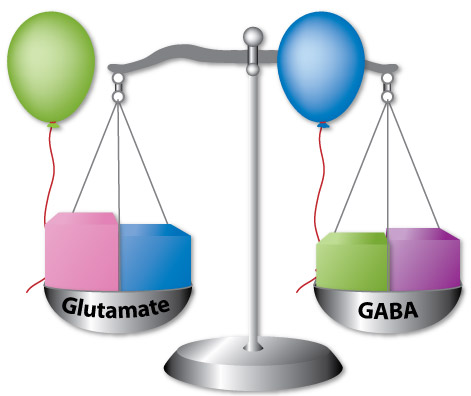
Glutamate
(excitatory) and
GABA
(inhibitory) represent the
yin-yang
of the neurotransmitters, with both present in nearly all synaptic function all over the brain. The mood stabilizers used to treat bipolar are thought to act on one or the other or both.
There are
two types of glutamate
receptors, The
ionotropic (iGluR),
receptors
including NMDA, kainate, and AMPA
; and the
metabotropic (mGluR), which mediate numerous neuro-metabolic chemical actions
. When the
NMDA receptor
is working right, both
glutamate and glycine
bind to the receptor, which in turns opens
up its corresponding ion channel and permits calcium entry into the neuron
. This well-designed GABA Glutamate NMDA receptor unit promotes the intracellular signaling which is essential to plasticity and survival.
In response to
stress
and mood instability episodes,
glutamate reuptake in the synapses is compromised,
resulting in
increased calcium influx through the NMDA receptors and ion channels
into the neuron and the
activation of certain calcium-dependent enzymes that can result in cell atrophy and death
.
GABA
is formed in the brain from
glutamate, glucose, and glutamine. GABA
binds to one of
two receptors
on the postsynaptic neuron.
GABA A receptors
regulate excitability and anxiety, panic, and stress, and are the targets of
benzodiazepines
such as
Ativan, as well as alcohol
.
When alcohol and/ or benzodiazepines are consumed over time, the neurons structurally change to accommodate increased GABA supply
,
setting up the potential for dependence and abuse
. Many other drugs of over-use and abuse work indirectly on GABA receptors.
Gerard Sanacora MD, PhD of Yale has used
magnetic resonance spectroscopy
to measure
GABA
in the brain, finding that people suffering from melancholic depression show low
GABA concentrations in the occipital cortex
. On the other hand the depletion of GABA is not as pronounced in individuals experiencing atypical depression, this finding indicates a diagnostic potential for subtypes of depression.
The Phenylalanine Tyrosine Energetic Reward Cascade Network
Dopamine
Dopamine
the elixir of life and survivorship is a spin-off from L-DOPA. L-DOPA is created from L- tyrosine a progeny of L- phenylalanine. This master recycling plan is the originator of our essence and survivorship. More precisely – L-DOPA is converted to dopamine by action of DOPA decylarboxylase (DDC). L-DOPA itself is converted from tyrosine by the action of tyrosine hydroxylase (TH). Dopamine release can either be phasic or tonic.
“Phasic” dopamine release
is characterized by
burst firing
and is thought to occur
in response to behavioral stimuli, such as those that may predict reward
.
In contrast, “tonic” dopamine release is slow and irregular.
Dopamine is a neurotransmitter that is implicated in addiction, depression, bipolar, schizophrenia, psychosis, Parkinson’s, ADHD, substance use, and aggressive behavior.
Most dopamine-producing neurons are located in areas near the brainstem
. Their axons extend in one of three specific but overlapping paths (via the medial forebrain bundle) to stimulate specific cortical and subcortical structures. In contrast,
serotonin and norepinephrine patterns of distribution are far more diffuse.
The
nigrostriatal pathway
of dopamine (in the subcortical areas of the brain) has a prominent role in
motor planning and movement, plus cognition.
The
mesocortical pathway
of dopamine, which projects to the frontal and temporal cortices, is believed to be vital to
concentration and executive functions such as working memory
. The
mesolimbic pathway
of dopamine, which projects into the
limbic system
, including
the hippocampus and amygdala
, is particularly important for
motivation, experience of pleasure, survivorship, and reward
.
Cocaine and various forms of meth are infamous for enhancing dopamine production
however medications used for ADD and Parkinsons enhance dopamine generation in a less dramatic way. Likewise antipsychotic pharmacologic agents bind to dopamine D2 receptors consequently they inhibit too much of a good thing. Imprudently, antipsychotic agents don’t just limit themselves to blocking the D2 receptors in the mesolimbic pathway, but also block all receptors in the brain’s dopamine pathways, causing what Stephen Stahl of UCSD calls a “high cost of doing business.”
With the use of street drugs
, neurons structurally change
over a short time to
accommodate the increased dopamine
supply, setting
the scene for dependence
and
abuse.
Furthermore other drugs of over-use and abuse may work primarily on other neurotransmitter systems,
however, ultimately all drugs of abuse exert their tasks
through a downstream effect by
increasing the production of dopamine
in the
pleasure and reward circuits.
In the contrary in case of depression, the lack of dopamine, among other things, would account for lack of pleasure, however in the manic stages too much dopamine acts as a rocket fuel.
Norepinephrine the stress hormone, a link to addiction!
Norepinephrine is a chemical released from the sympathetic nervous system in response to stress. It is classified as a neurotransmitter, a chemical that is released from neurons. Norepinephrine also known as noradrenaline the king of stress, is a stress hormone and a Neurotransmitter that affects every organ in the body. Norepinephrine is produced in the neurons by enzymes that act on the amino acid tyrosine, which convert it into L-DOPA, then to dopamine. Some of the dopamine is then converted to norepinephrine. As soon as norepinephrine is created by enzymes,
it gets destroyed by other enzymes, such as MAO (which also destroys serotonin and dopamine
). Hence the MAO inhibitors represent the first family of antidepressants. Another class of first-generation antidepressants the
tricyclics such as Elavil, have a dual reuptake action on both norepinephrine and serotonin. The later-generation SNRIs such as Effexor work in a similar fashion.
Most of the
norepinephrine
action takes place in an area of the
brainstem
known as the
locus coeruleus,
which act as a referee to external stimuli and human responses to such external stimuli (such as fight or flight) and pain
. Norepinephrine and the locus coeruleus are also believed to play a role in cognition, mood, emotions, movement, and blood pressure
.
Difficulty concentrating, fatigue, apathy, and depression are some of the symptoms that can result from norepinephrine going AWOL.
In depression, the prevailing theory is that lack of norepinephine is what accounts for psychomotor retardation. In anxiety, too much of the neurotransmitter is seen as part of the stress reaction.
The Tryptophan. Serotonin and Melatonin Circadian Circuitry
Serotonin
(5HT) is synthesized in the neuron from the amino acid tryptophan, which is converted to 5HTP, then to serotonin. Serotonin is then released into the synapse in a similar fashion to
norepinephrine
.
Serotonin
has some
17 different types and subtypes of receptors
, which underscores its importance as a neurotransmitter. Serotonin-producing neurons project from
the raphe nucleus in the brainstem to the basal ganglia, frontal cortex, hypothalamus and limbic system, and down the spinal cord. Serotonin is also found inabundance in the GI tract
, thus implicating itself in a host of functions, from mood to anxiety to sleep (serotonin makes melatonin, which regulates sleep) to sexual response and to food craving and (in)digestion.
A presynaptic transporter sucks up excess serotonin from the synapses in preparation for the next release of this ubiquitous neurotransmitter.
In depression, lack of serotonin would explain over-obsessing on grieving thoughts. Not surpsingly, serotonin enhancers medications such as SSRI also help with OCD. SSRI antidepressants are believed to work by binding to
this reuptake pump, thus keeping more serotonin in circulation
. If this was completely true, why antidepressants would not have an immediate effect, instead of taking at least two weeks to start making an impression and another two to six weeks to achieve full clinical benefit? One explanation would be
blocking the seretonin transporters desensitizes the neurons in a way that dampens normal firing for four weeks
. Another explanation is that antidepressants also work on intracellular processes downstream of the neurotransmitters.
Serotonin stimulant drugs of abuse include ecstasy and LSD.
Other Neurotransmitter Systems
Acetylcholine
– Damage to this system has been linked to
Alzheimer’s. Cholinesterase inhibitors such as Aricept are believed to work by preventing the breakdown of acetylcholine.
Specific
nicotinic receptors in the acetylcholine
system are linked to nicotine addiction, but safe alpha7 nicotinic agonists (for improving cognition) are being investigated for the treatment of schizophrenia.
Oxytocin and Vasopressin
– As both neurotransmitters and hormones, these two peptides mediate a range of physical and mental functions, but their role in pair-bonding has earned them the reputation as the “love hormones.”
Opioids
–
Endorphins
are a popular term to describe complex chemical activity involved in killing pain, inducing sleep, and creating sensations of pleasure. Opiates such as heroin and morphine and opiate-derived painkillers such as codeine and oxycodone appear
to mimic natural endorphin activity by binding to opiate receptors
. The immediate effect is blocking pain and causing drowsiness
. A domino effect results from reduced GABA release failing to inhibit dopamine release
. Medications such as methadone are aimed at mimicking the mimickers. Naltrexone, on the other hand, works by countering the opiate effect and blocking cravings.
Adenosine
– Caffeine gets its effect by binding to these receptors, thus blocking fatigue-inducing adenosine neurotransmitters. A downstream effect is mild dopamine release. Once the blockade wears off, however, adenosine comes back into play, which is why coffee is only a temporary fix. The only cure for missing out on sleep is – drumroll – catching up on sleep.
Hypocretins
– Also called
orexins
, these
neuropeptides have recently been identified in sleep regulation
. Breakdown in hypocretin function is believed to result in narcolepsy. The novel wakefulness agents Provigil and Nuvigil are believed to act on hypocretin.
Substance P
– In the spring of 2003, this peptide, which is
released in response to stress
, was ready for prime-time.
Again, the Brain is Not a Neuro-Chemical Soup
Even though the focus of our article is on Amino acids therapy and Neurotransmitters our near-exclusive focus on neurotransmitters may tend to blind us to the convolution and sofstication of the brain machinery. The brain is an intricate ecosystem, a complex machine, it is the ultimate machine, it is the true not just an artificial Intelligence engine. The brain is the CEO of this complex intelligence machine that encompass a microuniverse inside each neurons, a dynamically interactive systems and networks of neuro-systems , a continuous and dynamic interplay between genes and the environment. Again because the focus of this article is on Neurotransmitters I will recap dopamine, epinephrine, the adrenal and HPA system, hormones, hormonal system create the symphony of our being; The ventral tegmental area sends dopamine to other areas of the brain like the nucleus accumbens and the prefrontal cortex. When we are exposed to pleasurable things like brownies, new clothes, a shiny new car, sex, or drugs, dopamine is shunted to the nucleus accumbens. This area of the brain is highly associated with pleasure, motivation, and the reward system (i.e. I did this action, I got this awesome reward. Lots of feel good dopamine hormone was sent to the nucleus accumbens; now I’m motivated to do that again. And again. And again.)
Drugs like cocaine and other stimulants hit those reward centers hard and addiction is likely. There is a growing body of knowledge that links people who have an extroverted personality and are more in tuned to the dopamine-related reward system are more daring reward-seeking behavior explorers. Let us also keep this in mind if one ever feels an overwhelming need to workout, specially if one knows he or she shouldn’t may mean that one is a dopamine junkie and may put one at a higer risk to addiction, what we may call an addiction personality.
Back to the basics of dopamine: Dopamine acts as a hormone specifically in the hypothalamus. When dopamine is released it inhibits the hypothalamus from releasing prolactin. Prolactin stimulates lactation or milk production and is also involved in sexual satisfactions. Dopamine is related to sexual arousal. Dopamine is high before sex and then drops once orgasm is achieved.
It is worth noticing that dopamine cannot cross the blood brain barrier so it’s useless to treat Parkinson’s or any other disease related to a shortage in dopamine with dopamine. Amino acids such as Penylalanine and or L-tyrosine, L-DOPA on the other hand,are viable precursor in the formation of dopamine, norepinephrine, and epinephrine and can cross the blood brain barrier. L-DOPA is effectively prescribed to treat several diseases and symptoms.
Now that we’ve discussed what dopamine is and the super important role it plays in the body, let’s talk about how we produce it. Just as with norepinephrine and epinephrine, the amino acids L-phenylalanine, L-tyrosine, and L-DOPA are crucial for dopamine to be synthesized in the body. Here’s the breakdown of this whole synthesis pathway:
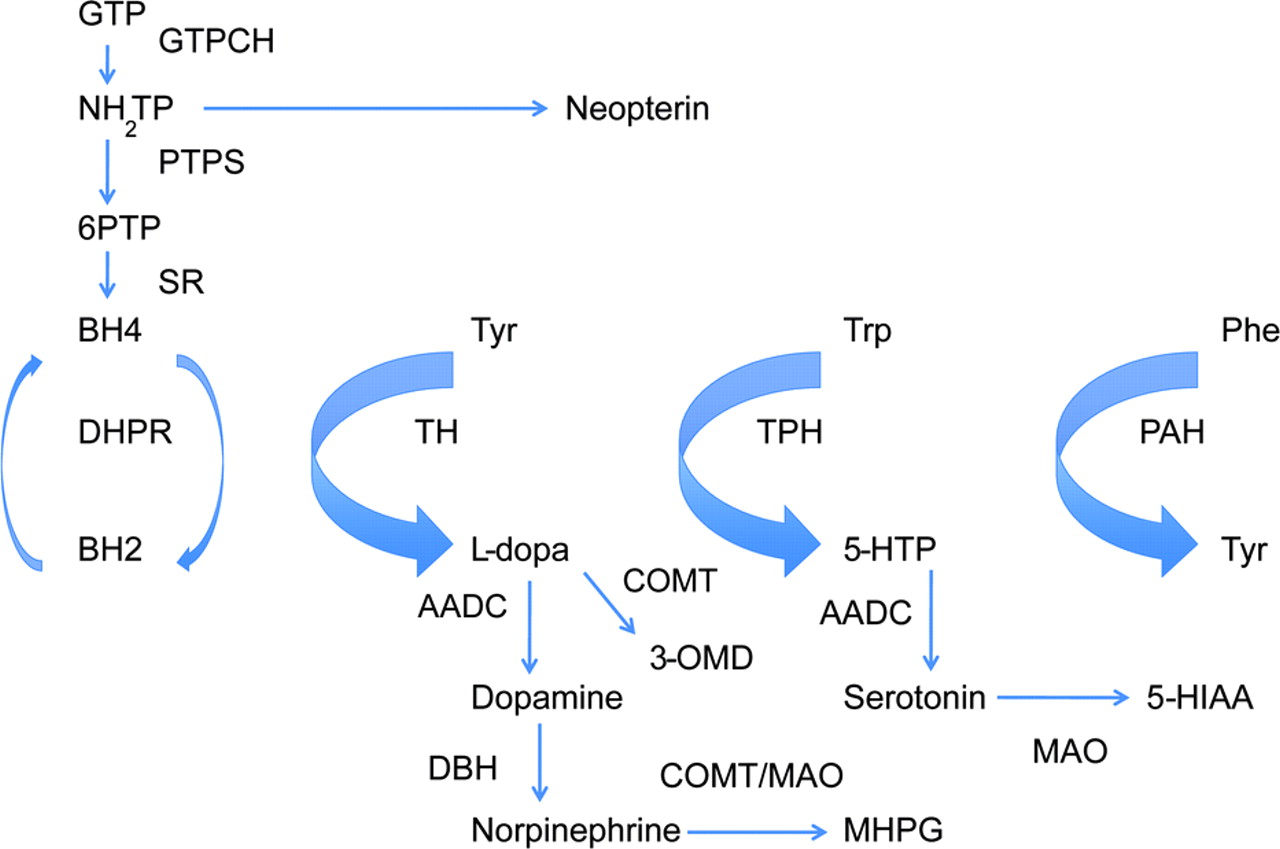 L-phenylalanine is converted to L-tyrosine.
L-tyrosine is then converted to L-DOPA.
L-DOPA is converted to dopamine.
Dopamine will move down the conversion chain to yield norepinephrine and epinephrine.
Now, let’s review the dopamine transporters and receptors, or in simpler terms, how dopamine actually get from point A to B to so it can “do work.” Dopamine is released from presynaptic vesicles, given the correct stimulus, and then binds to post-synaptic receptors. There are several different types of dopamine receptors including: D1, D2, D3, D4, and D5. These receptors are either excitatory or inhibitory if stimulated, although the end result is not always so straightforward. Next dopamine, epinephrine, adrenal system, hormones, hormonal system Dopamine is taken up by something called DAT, then undergoes enzymatic breakdown by MAO into DOPAC, or is repackaged into the presynaptic vesicle and recycled. Cocaine, amphetamines, and methamphetamines inhibit DAT from up-taking dopamine so that dopamine continues to stimulate the receptors causing euphoria and hyperactivity.
The revolutionary Amino Acids Treatment accelerates Neuroendocrine Restoration (NER)
Amino Acids Addiction Treatment can hasten Neuro-Endocrine Restoration (NER). NER is gaining steam as an effetive natural addiction. Three recent studies, one about compulsive gambling and two about cocaine addiction, examine the role played by simple amino acid in the treatment of addiction. These amino acids taken regularly in the diet can also help in normalizing the brain chemistry of those people who are addicted to drugs and alcohol.
Amino Acids treatment for addiction, thereby offers much hope for a non-toxic, relatively economical option for treating addicts and helping them stop abusing substances.
Scientic research supports that restoration of cystine/glutamate exchange by intracranial perfusion of cystine or systemically administered N-acetylcysteine normalized the levels of glutamate in cocaine-treated subjects. The role of Amino acid in the treatment of Addiction and restoration of brain chemistry is well documented Amino acids restore neurotransmitters imbalances and cement the desire to quit drugs and helping individuals to modify their behavior.
The biochemical imbalances resulting from substance abuse can be restored with the suitable and skillful administration of lithium, B vitamins, aminoacids and dietary manipulations. The field of optimizing brain chemistry has continued to receive a boost with many doctors venturing into finding the natural, inexpensive, safe and effective nutrients to help treat addiction.

Let us keep in mind if we are missing out on any of the amino acids required for this biosynthesis, the resulting hormones and neurotransmitters will also have deficienciesand imbalances. With dopamine being as important as it is on it’s own, and also being a precursor to the norepinephrine/epinephrine, we can rest assured that keeping these neurotransmitters/stress hormonee in balance is crucial to the adrenals and overall health.
So where does this all put us? Our adrenal system, including all the hormones and neurotransmitters that go with it, is a very complex system that has the ability to greatly impact every system and organ in our body. Because of the massive changes it can cause in other systems, any major issues with our adrenal system can affect virtually any function in the body. This is something that extends past just having a bad workout or our body composition suffering a bit. We’re talking about the possibility of severe mental illness or life-altering neuromuscular diseases. By keeping this in mind as we continue to learn more about the pieces and parts of our bodies that make up our adrenal system. As we also learn that seeking balance and ways to nurture our bodies and prevent stress are key in long-term health and physical and mental well being.
The adverse effects of Stress and addiction on the HPA, HPG, HPT should not be overlooked when we treat patients suffering from any addictive disorder. The effect of addiction and neurochemical imbalances on neurotransmitters aminoacids network are so complex, intricate, and misunderstood. Therefore it makes it compelling to physicians to take an innovative fresh approach to properly addressing the disease of addiction. More physicians need specilized training in understanding the dynamic changes that are happening in the entire being of an addict. Taking into account the makeup of the Psycho-Neuroendocrine-Immune system, the addiction physician of tomorrow should be able to maintain a harmonic balance between homeostasis and the allostatic load
Training physicians to handle drug addiction is becoming a necessity
In summary, with the prevalence of addiction and substance abuse in our society today we need to re-evaluate our action plan to ascertain that proper restoration of Spirit, Mind, body is properly addressed to prevent and treat addiction. The purpose of this article is to raise the awareness about the magnitude and complexity of the problem of all types of addictions from drugs to tobbaco, to alcohol, to gambling, to sex, and internet, etc… I cannot emphasize enough the importance of a fresh training system offering physicians the tools to better assess, diagnose and effectively treat addictions, naturally and safely. Undertstanding the complexity of this epidemic of the disease of addiction is the beginning. Equiping all practitioners with enovative tools to help them impact the course of addiction treatment should be our goal. This education endeavor should begin by raising the awareness of addiction in general including substance abuse. Natural addiction recovery training should and will focus on better understanding the amino acid revolution in Addiction Medicine, and how to create, taylor and individualize IV amino therapy for different kinds of addiction while respecting patient unique individuality. The proper inderstanding of IV Amino Acids and peptide therapy in all phases of addiction training will be emphasised. The creative manipulating of amino acids therapy and how to individualize Integrative Addiction Medicine is our only salvation. In order for us to overcome the addiction crisis, and save generations from the PAIN and Chaining of addiction we must comprehend addiction from a diffferent prospective.
References:
-
Blum K (1983) Alcohol and central nervous system peptides. Subst Alcohol Actions Misuse 4: 73-87.
-
Blum K, Chen ALC, Chen TJH, Bowirrat A, Waite RL, et al. (2009) Putative targeting of Dopamine D2 receptor function in Reward Deficiency Syndrome (RDS) by Synaptamine Complex™ Variant (KB220): Clinical trial showing anti-anxiety effects. Gene Therapy & Molecular Biology 13: 214-230.
-
Blum K, Trachtenberg MC (1988) Neurogenetic deficits caused by alcoholism: restoration by SAAVE, a neuronutrient intervention adjunct. J Psychoactive Drugs 20: 297-313.
-
Brown RJ, Blum K, Trachtenberg MC (1990) Neurodynamics of relapse prevention: a neuronutrient approach to outpatient DUI offenders. J Psychoactive Drugs 22: 173-187.
-
Chen D, Liu Y, He W, Wang H, Wang Z (2012) Neurotransmitter-precursor-supplement intervention for detoxified heroin addicts. J Huazhong Univ Sci Technolog Med Sci 32: 422-427.
-
Chen TJ, Blum K, Payte JT, Schoolfield J, Hopper D, Stanford M, Braverman ER (2004). Narcotic antagonists in drug dependence: pilot study showing enhancement of compliance with SYN-10, amino-acid precursors and enkephalinase inhibition therapy. Med Hypotheses. 63(3):538-48.
-
Goslinga JJ (1975). Biofeedback for chemical problem patients: A developmental process. Journal of Biofeedback, 2: 17–27.
-
Hu XJ, Ticku MK (1994). Chronic benzodiazepine agonist treatment produces functional uncoupling of the gamma-aminobutyric acid-benzodiazepine receptor ionophore complex in cortical neurons. Mol Pharmacol 45: 618-625.
-
Jenner P, Marsden CD (1987). Chronic pharmacological manipulation of dopamine receptors in brain. Neuropharmacology 26: 931-940.
-
Kosterlitz HW, Hughes J (1977) Peptides with morphine-like action in the brain. Br J Psychiatry 130: 298-304.
-
Miller M, Chen AL, Stokes SD, Silverman S, Bowirrat A, Manka M, Manka D, Miller DK, Perrine K, Chen TJ, Bailey JA, Downs W, Waite RL, Madigan MA, Braverman ER, Damle U, Kerner M, Giordano J, Morse S, Oscar-Berman M, Barh D, Blum K (2012). Early intervention of intravenous KB220IV–neuroadaptagen amino-acid therapy (NAAT) improves behavioral outcomes in a residential addiction treatment program: a pilot study. J Psychoactive Drugs. 44(5):398-409.
-
Miller M, Chen ALC, Stokes S, Silverman S, Bowirrat A et al. (2012). Early Intervention of Intravenous KB220IV- Neuroadaptagen Amino-Acid Therapy (NAAT)™ Improves Behavioral Outcomes in a Residential Addiction Treatment Program: A Pilot Study. Journal of Psychoactive Drugs..
-
Peniston EG & Kulkosky PJ (1990). Alcoholic personality and alpha-theta brainwave training. Medical Psychotherapy, 2: 37–55.
-
Trachtenberg MC, Blum K (1988) Improvement of cocaine-induced neuromodulator deficits by the neuronutrient Tropamine. J Psychoactive Drugs 20: 315-331.
-
Schultz W (2007). “Multiple dopamine functions at different time courses”. Annu. Rev. Neurosci. 30: 259–88. doi:10.1146/annurev.neuro.28.061604.135722. PMID 17600522.
-
A. Dahlström and K. Fuxe (1964). “Evidence for the existence of monoamine-containing neurons in the central nervous system. I. Demonstration of monoamines in the cell bodies of brain stem neurons”. Acta physiologica Scandinavica. Supplementum 232: 1–55. PMID 14229500.
-
Robbins TW, Arnsten AF. (2009). “The neuropsychopharmacology of fronto-executive function: monoaminergic modulation”. Annu Rev Neurosci. 32: 267–87. doi:10.1146/annurev.neuro.051508.135535. PMC 2863127. PMID 19555290.
-
a b Ben-Jonathan N, Hnasko R (2001). “Dopamine as a Prolactin (PRL) Inhibitor” (PDF). Endocrine Reviews 22 (6): 724–763. doi:10.1210/er.22.6.724. PMID 11739329.
-
a b c Eisenhofer G, Kopin IJ, Goldstein DS (September 2004). “Catecholamine metabolism: a contemporary view with implications for physiology and medicine”. Pharmacol. Rev. 56 (3): 331–49. doi:10.1124/pr.56.3.1. PMID 15317907.
-
Missale C, Nash SR, Robinson SW, Jaber M, Caron MG (1998). “Dopamine receptors: from structure to function”. Physiol. Rev. 78 (1): 189–225. PMID 9457173.
-
a b Buttarelli FR, Fanciulli A, Pellicano C, Pontieri FE (June 2011). “The dopaminergic system in peripheral blood lymphocytes: from physiology to pharmacology and potential applications to neuropsychiatric disorders”. Curr Neuropharmacol 9 (2): 278–88. doi:10.2174/157015911795596612. PMC 3131719. PMID 22131937.
-
Basu S, Dasgupta PS (2000). “Dopamine, a neurotransmitter, influences the immune system”. J. Neuroimmunol. 102 (2): 113–24. doi:10.1016/S0165-5728(99)00176-9. PMID 10636479.
-
Grace AA, (1991). “Phasic versus tonic dopamine release and the modulation of dopamine system responsivity: A hypothesis for the eitiology of schizophrenia”. Neuroscience 41 (1): 1–24. doi:10.1016/0306-4522(91)90196-U. PMID 1676137.
-
Grace AA, Bunney BS (1984). “The control of firing pattern in nigral dopamine neurons: single spike firing” (PDF). Journal of Neuroscience 4 (11): 2866–2876. PMID 6150070.
-
Calabresi P, Picconi B, Tozzi A, Di Filippo M (May 2007). “Dopamine-mediated regulation of corticostriatal synaptic plasticity”. Trends Neurosci. 30 (5): 211–9. doi:10.1016/j.tins.2007.03.001. PMID 17367873.
-
a b Wise RA (1996). “Addictive drugs and brain stimulation reward”. Annu. Rev. Neurosci. 19: 319–40. doi:10.1146/annurev.ne.19.030196.001535. PMID 8833446.
-
Merims D, Giladi N (2008). “Dopamine dysregulation syndrome, addiction and behavioral changes in Parkinson’s disease”. Parkinsonism & Related Disorders 14 (4): 273–80. doi:10.1016/j.parkreldis.2007.09.007. PMID 17988927.
-
EJ (2006). “Neural mechanisms of addiction: the role of reward-related learning and memory”. Annu. Rev. Neurosci. 29: 565–598. doi:10.1146/annurev.neuro.29.051605.113009. PMID 16776597.
-
Malenka RC, Nestler EJ, Hyman SE (2009). “Chapter 15: Reinforcement and addictive disorders”. In Sydor A, Brown RY. Molecular Neuropharmacology: A Foundation for Clinical Neuroscience (2nd ed.). New York: McGraw-Hill Medical. pp. 384–385. ISBN 9780071481274.
-
Wood PB (2008). “Role of central dopamine in pain and analgesia”. Expert Rev Neurother 8 (5): 781–97. doi:10.1586/14737175.8.5.781. PMID 18457535.
-
Durcan MJ, Rigdon GC, Norman MH, Morgan PF (1995). “Is clozapine selective for the dopamine D4 receptor?”. Life Sci. 57 (18): PL275–83. doi:10.1016/0024-3205(95)02151-8. PMID 7475902..
-
Jentsch JD, Roth RH (1999). “The neuropsychopharmacology of phencyclidine: from NMDA receptor hypofunction to the dopamine hypothesis of schizophrenia”. Neuropsychopharmacology 20 (3): 201–25. doi:10.1016/S0893-133X(98)00060-8. PMID 10063482.
-
Galani VJ, Rana DG (2011). “Depression and antidepressants with dopamine hypothesis-A review”. IJPFR 1 (2): 45–60.
-
Benkert O, Renz A, Marano C, Matussek N (October 1971). “Altered tyrosine daytime plasma levels in endogenous depressive patients”. Arch. Gen. Psychiatry 25 (4): 359–63. doi:10.1001/archpsyc.1971.01750160071013. PMID 5116991.
-
Birkmayer W, Linauer W, Storung D (1970). “Tyrosin and tryptophan- metabolisms in depression patients”. Arch Psychiar Nervenkr 213 (4): 377–387. doi:10.1007/BF00341554.
-
Ainsworth K, Smith SE, Zetterström TS, Pei Q, Franklin M, Sharp T (December 1998). “Effect of antidepressant drugs on dopamine D1 and D2 receptor expression and dopamine release in the nucleus accumbens of the rat”. Psychopharmacology (Berl.) 140 (4): 470–7. doi:10.1007/s002130050791. PMID 9888623.
-
Cottrell GA (January 1967). “Occurrence of dopamine and noradrenaline in the nervous tissue of some invertebrate species”. Br J Pharmacol Chemother 29 (1): 63–9. doi:10.1111/j.1476-5381.1967.tb01939.x. PMC 1557178. PMID 19108240.
-
a b c d Barron AB, Søvik E, Cornish JL (2010). “The roles of dopamine and related compounds in reward-seeking behavior across animal phyla”. Front Behav Neurosci 4: 163. doi:10.3389/fnbeh.2010.00163. PMC 2967375. PMID 21048897..
-
Miller, GM (January 2011). “The emerging role of trace amine-associated receptor 1 in the functional regulation of monoamine transporters and dopaminergic activity”. Journal of Neurochemistry 116 (2): 164–76. doi:10.1111/j.1471-4159.2010.07109.x. PMC 3005101. PMID 21073468.
-
Morón JA, Brockington A, Wise RA, Rocha BA, Hope BT (2002). “Dopamine uptake through the norepinephrine transporter in brain regions with low levels of the dopamine transporter: evidence from knock-out mouse lines”. J. Neurosci. 22 (2): 389–95. PMID 11784783.
-
Yavich L, Forsberg MM, Karayiorgou M, Gogos JA, Männistö PT (2007). “Site-specific role of catechol-O-methyltransferase in dopamine overflow within prefrontal cortex and dorsal striatum”. J. Neurosci. 27 (38): 10196–209. doi:10.1523/JNEUROSCI.0665-07.2007. PMID 17881525.
-
Miyazaki I, Asanuma M (June 2008). “Dopaminergic neuron-specific oxidative stress caused by dopamine itself” (PDF). Acta Med. Okayama 62 (3): 141–50. PMID 18596830.
-
Bowirrat A, Oscar-Berman M. Relationship between dopaminergic neurotransmission, alcoholism, and Reward Deficiency syndrome. Am J Med Genet B Neuropsychiatr Genet. 2005;132B:29–37. [PubMed]
-
Jenner P, Marsden CD. Chronic pharmacological manipulation of dopamine receptors in brain. Neuropharmacology. 1987;26:931–940. [PubMed]
-
Blum K, Trachtenberg MC. Neurogenetic deficits caused by alcoholism: restoration by SAAVE, a neuronutrient intervention adjunct. J Psychoactive Drugs. 1988;20:297–313. [PubMed]
-
Trachtenberg MC, Blum K. Improvement of cocaine-induced neuromodulator deficits by the neuronutrient Tropamine. J Psychoactive Drugs. 1988;20:315–331. [PubMed]
-
Hu XJ, Ticku MK. Chronic benzodiazepine agonist treatment produces functional uncoupling of the gamma-aminobutyric acid-benzodiazepine receptor ionophore complex in cortical neurons. Mol Pharmacol. 1994;45:618–625. [PubMed]
-
Blum K, Calhoun W, Merritt J, Wallace JE. L-DOPA: effect on ethanol narcosis and brain biogenic amines in mice. Nature. 1973;242:407–409. [PubMed]
-
Blum K, Eubanks JD, Wallace JE, Schwertner HA. Suppression of ethanol withdrawal by dopamine. Experientia. 1976;32:493–495. [PubMed]
-
Blum K, Wallace JE, Schwerter HA, Eubanks JD. Morphine suppression of ethanol withdrawal in mice. Experientia. 1976;32:79–82. [PubMed]
-
Gardner EL. Addiction and brain reward and antireward pathways. Adv Psychosom Med. 2011;30:22–60. [PubMed]
-
Padgett CL, Lalive AL, Tan KR, Terunuma M, Munoz MB, et al. Methamphetamine-evoked depression of GABA(B) receptor signaling in GABA neurons of the VTA. Neuron. 2012;73:978–989. [PMC free article] [PubMed]
-
Centonze D, Picconi B, Baunez C, Borrelli E, Pisani A, et al. Cocaine and amphetamine depress striatal GABAergic synaptic transmission through D2 dopamine receptors. Neuropsychopharmacology. 2002;26:164–175. [PubMed]
-
Marc DT, Ailts JW, Campeau DC, Bull MJ, Olson KL. Neurotransmitters excreted in the urine as biomarkers of nervous system activity: validity and clinical applicability. Neurosci Biobehav Rev. 2011;35:635–644. [PubMed]
-
Ballabh P, Braun A, Nedergaard M. The blood-brain barrier: an overview: structure, regulation, and clinical implications. Neurobiol Dis. 2004;16:1–13. [PubMed]
-
Hawkins RA, O’Kane RL, Simpson IA, Viña JR. Structure of the blood-brain barrier and its role in the transport of amino acids. J Nutr. 2006;136:218S–26S. [PubMed]
-
von EULER US, LUFT R. Noradrenaline output in urine after infusion in man. Br J Pharmacol Chemother. 1951;6:286–288. [PMC free article] [PubMed]
-
VON EULER US, HELLNER-BJORKMAN S, ORWEN I. Diurnal variations in the excretion of free and conjugated noradrenaline and adrenaline in urine from healthy subjects. Acta Physiol Scand Suppl. 1955;33:10–16. [PubMed]
-
Miller M, Chen ALC, Stokes S, Silverman S, Bowirrat A, et al. Early Intervention of Intravenous KB220IV- Neuroadaptagen Amino-Acid Therapy (NAAT)™ Improves Behavioral Outcomes in a Residential Addiction Treatment Program: A Pilot Study. Journal of Psychoactive Drugs. 2012 [PMC free article] [PubMed]
-
Wang GJ, Smith L, Volkow ND, Telang F, Logan J, et al. Decreased dopamine activity predicts relapse in methamphetamine abusers. Mol Psychiatry. 2012;17:918–925. [PMC free article] [PubMed]
-
Miller DK, Bowirrat A, Manka M, Miller M, Stokes S, et al. Acute intravenous synaptamine complex variant KB220â,,c̷ “normalizes” neurological dysregulation in patients during protracted abstinence from alcohol and opiates as observed using quantitative electroencephalographic and genetic analysis for reward polymorphisms: part 1, pilot study with 2 case reports. Postgrad Med. 2010;122:188–213. [PubMed]
-
Zhang Y, Zhang F, Yang C, Jin H, Yang Y, et al. Dopamine affects the change of pain-related electrical activity induced by morphine dependence. Neurochem Res. 2012;37:977–982. [PubMed]
-
Blum K, Trachtenberg MC, Elliott CE, Dingler ML, Sexton RL, et al. Enkephalinase inhibition and precursor amino acid loading improves inpatient treatment of alcohol and polydrug abusers: double-blind placebo-controlled study of the nutritional adjunct SAAVE. Alcohol. 1988;5:481–493. [PubMed]
-
63. Blum K, Trachtenberg MC, Ramsay JC. Improvement of inpatient treatment of the alcoholic as a function of neurotransmitter restoration: a pilot study. Int J Addict. 1988;23:991–998. [PubMed]
-
64. Blum K, Briggs AH, Trachtenberg MC. Ethanol ingestive behavior as a function of central neurotransmission. Experientia. 1989;45:444–452. [PubMed]
-
Giordano J, Blum K. Probing the mysteries of recovery through nutrigenomics and holistic medicine: Science meets recovery. Counselor Magazine. 2010;17:52.
-
Blum K, Giordano J, Morse S, Anderson A, Carbajal J, et al. Hypothesizing Synergy between Acupuncture/ Auriculotherapy and Natural Activation of Mesolimbic Dopaminergic Pathways: Putative Natural Treatment Modalities for the Reduction of Drug Hunger and Relapse. International Integrative Omics and Applied Biotechnology Letters. 2011
-
Blum K, Chen TJH, Downs BW, Meshkin B, Blum SH, et al. Synaptamine (SG8839)™, An Amino-Acid Enkephalinase Inhibition Nutraceutical Improves Recovery of Alcoholics, A Subtype of Reward Deficiency Syndrome (RDS) Trends in Applied Sciences Research. 2007;2:132–138.
-
Diana M. The dopamine hypothesis of drug addiction and its potential therapeutic value. Front Psychiatry. 2011;2:64. [PMC free article] [PubMed]
-
Jiajun Y, Aiyun H, Shanshan Z, Minhong Z. Regulation of organic nucleic acids and serum biochemistry parameters by dietary chromium picolinate supplementation in swine model. J Trace Elem Med Biol. 2011;25:91–96. [PubMed]
-
Kufahl PR, Olive MF. Investigating Methamphetamine Craving Using the Extinction-Reinstatement Model in the Rat. J Addict Res Ther. 2011;15(S1):3. [PMC free article] [PubMed]
-
Blum K, Trachtenberg MC, Cook DW. Neuronutrient effects on weight loss in carbohydrate bingers: an open clinical trial. Curr Ther Res. 1990;48:217–233.
-
Chen TJ, Blum K, Payte JT, Schoolfield J, Hopper D, et al. Narcotic antagonists in drug dependence: pilot study showing enhancement of compliance with SYN-10, amino-acid precursors and enkephalinase inhibition therapy. Med Hypotheses. 2004;63:538–548. [PubMed]
-
Blum K, Chen TJH, Williams L, Chen ALC, Downs WB, et al. A short term pilot open label study to evaluate efficacy and safety of LG839, a customized DNA directed nutraceutical in obesity: Exploring Nutrigenomics. Gene Ther Mol Biol. 2008;12:371–382.
-
Braverman ER, Braverman D, Acrui V, Kerner M, Downs BW, et al. Sustainable Weight Loss and Muscle Gain Utilizing the Rainbow Diet™: Targeting Noradrenergic and dopaminergic Mechanistic Sites, Hormonal Deficiency Repletion Therapy and Exercise: A case report. The American Journal of Bariatric Medicine. 2010;25:18–28.








0 Comments