
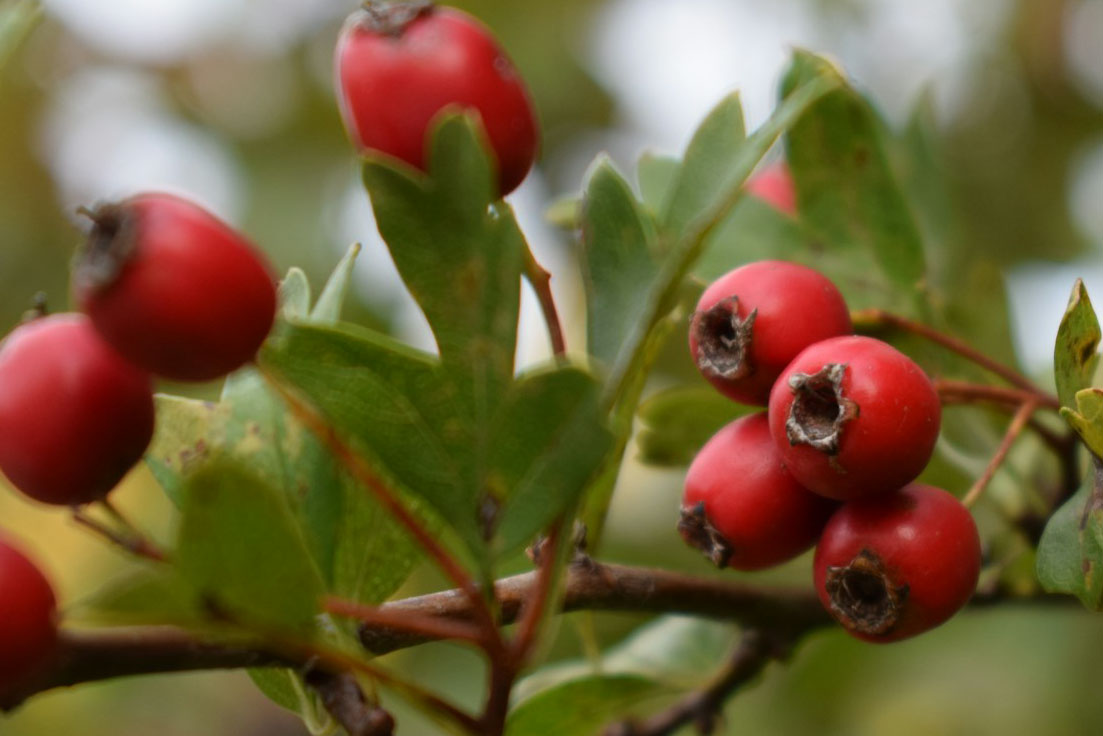
Botanical Overview and Traditional Use
Hawthorn (Crataegus oxyacantha, C. laevigata, C. monogyna, and related species) belongs to the Rosaceae family and represents one of the most extensively researched cardiovascular botanicals in modern phytotherapy. This small deciduous tree or shrub grows abundantly in woods and thickets throughout Europe, central and northern Asia, and North America.
Historical and Cultural Significance
In both Eastern and Western traditional medicine systems, hawthorn has been utilized as both food and medicine for centuries. The fruit, leaves, flowers, and bark have been employed therapeutically, with the primary focus on cardiovascular conditions. Traditional applications included treatment of organic and functional heart disorders, cardiac hypertrophy with mitral regurgitation from valvular insufficiency, and angina pectoris.
The hawthorn tree holds significant cultural and spiritual importance across various traditions. In Germany, it is known as weifdorn, while in France it is called l’épine noble (the noble thorn), reportedly because it was used to fashion Christ’s crown of thorns. This sacred association has contributed to its revered status in European folk medicine.
Environmental Stress and Phytochemical Enhancement
Research has demonstrated that environmental stressors can significantly enhance the therapeutic constituents of hawthorn. Studies show that water-deficit stress increases levels of chlorogenic acid, catechin, and (-)-epicatechin, while cold stress elevates vitexin-2″-O-rhamnoside, acetylvitexin-2″-O-rhamnoside, hyperoside, and quercetin in both C. laevigata and C. monogyna species. This finding has important implications for cultivation practices and therapeutic potency optimization.^17^
Phytochemistry and Active Constituents
Primary Active Compounds
The therapeutic efficacy of hawthorn is attributed to its complex phytochemical profile, with leaves and flowers containing the highest concentration of bioactive constituents. The primary cardiovascular protective activity is generally attributed to flavonoid compounds, particularly oligomeric proanthocyanidins (OPCs).
Key constituent classes include:
- Flavonoids: Particularly oligomeric procyanidins, hyperoside, vitexin, quercetin, and rutin
- Phenolic acids: Chlorogenic acid and related compounds
- Catechins: Including (-)-epicatechin and catechin
- Triterpene saponins: Contributing to overall therapeutic activity
- Biogenic amines: Present in smaller quantities
- Pentacyclic triterpenoids: Including ursolic acid, hawthorn acid, and oleanolic acid
Bioactive Profile by Plant Part
- Leaves and flowers: Highest concentration of oligomeric procyanidins (up to 18.75% in standardized extracts)
- Berries: Rich in anthocyanins, providing pigmentation, and containing significant levels of vitamin C, pectin, and minerals
- Bark: Contains tannins and other phenolic compounds, though less commonly used therapeutically
The standardized extract WS 1442, extensively studied in clinical trials, is prepared from hawthorn leaves and flowers in a 4-6.6:1 ratio using 45% ethanol extraction, standardized to contain 17.3-20.1% oligomeric procyanidins.^43^
Pharmacological Properties
Cardiovascular Mechanisms
Hawthorn demonstrates multiple, synergistic mechanisms of cardiovascular action:
1. Positive Inotropic Effects
Increases contractility of cardiac muscle through mild inhibition of Na+/K+ ATPase^3^
Enhances cardiac output without significantly increasing heart rate
Improves left ventricular ejection fraction in heart failure patients
2. Coronary Vasodilation
- Increases coronary blood flow and oxygen utilization^2^
- Enhances oxygen delivery to myocardial tissue
- Dilates peripheral vessels, reducing afterload
3. Antioxidant Activity
- Demonstrates significant free radical scavenging capacity^1,21^
- Protects against ischemia-reperfusion injury
- Maintains mitochondrial antioxidant status^51^
4. Anti-inflammatory Properties
- Reduces expression of inflammatory markers including TNF-α, IL-1β, and IL-6^34,45^
- Modulates COX-2 and iNOS expression
- Increases anti-inflammatory IL-10 levels
5. Endothelial Protection
- Stabilizes collagen and enhances blood vessel integrity^4^
- Prevents age-related endothelial dysfunction^35^
- Promotes nitric oxide synthesis and endothelial relaxation^52^
6. Antiarrhythmic Effects
- Clinical data shows reduced incidence of atrial fibrillation, tachycardia, and other cardiac arrhythmias^57,58^
- Experimental studies demonstrate direct antiarrhythmic properties
Metabolic Effects
Lipid Regulation
Hawthorn demonstrates significant hypolipidemic activity through multiple mechanisms:
- Upregulates hepatic LDL-receptors, increasing plasma LDL-cholesterol uptake^6^
- Prevents cholesterol accumulation by enhancing degradation to bile acids
- Inhibits intestinal ACAT activity, reducing cholesterol absorption^19^
- Modulates primary bile acid biosynthesis pathway^56^
Glucose Metabolism
Recent research indicates hawthorn may benefit glycemic control:
- Improves insulin sensitivity and glucose tolerance^53^
- Modulates GPC-4 and GPLD1 serum levels in type 2 diabetes
- Enhances glycemic indices when combined with resistance training
Clinical Applications
Primary Indications
Cardiovascular Conditions
- Congestive heart failure (NYHA Class II-III): Most extensively studied indication
- Hypertension: Particularly effective in arterial-type hypertension
- Coronary insufficiency: Especially age-related coronary artery disease
- Angina pectoris: Improves exercise tolerance and reduces symptoms
- Cardiac arrhythmias: Preventive and therapeutic applications
- Valvular insufficiency: Supportive therapy for mild to moderate cases
Geriatric Cardiology
Hawthorn serves as an exceptional geriatric cardiac tonic, particularly valuable for:
- Age-related cardiac decline
- Stress-induced cardiac dysfunction
- Post-infectious myocarditis recovery
- Right heart failure management
Crataegus Species as a Source of Geroprotective Phytochemicals:
Key Takeaways
- Active Ingredients: Hawthorn is rich in beneficial compounds like flavonoids, phenolic acids, and triterpenoids that act as powerful antioxidants.
- Cellular Benefits: These compounds protect against oxidative stress, chronic inflammation, cellular aging, and cell dysfunction.
- Longevity Pathways: They help regulate key biological pathways involved in cell health and lifespan (such as Nrf2, AMPK, and SIRT1).
Overview of the anti-aging effects of major Crataegus phytochemicals and extracts.

Overview of the anti-aging effects of major Crataegus phytochemicals and extracts.
↑indicates an increase or activation; ↓indicates a decrease, inhibition, or downregulation.
(A) Vitexin attenuates D-galactose-induced aging by improving behavioral performance, enhancing antioxidant defense, and suppressing oxidative stress, inflammation, and JAK2/STAT3 signaling, based on the findings of Han et al.
(B) Crataegus pinnatifida extract (CPE) prolongs lifespan and enhances stress resistance in Drosophila melanogaster, based on the findings of Yu et al.
(C) Quercetin alleviates bone marrow mesenchymal stem cell (BMSC) senescence by enhancing antioxidant defense, reducing reactive oxygen species (ROS), preserving heterochromatin stability, decreasing cellular senescence markers (p21 and SA-β-gal), and promoting osteogenic differentiation, based on the findings of Sun et al.
(D) Quercetin improves the quality of aged mouse oocytes by enhancing meiotic maturation, fertilization, early embryonic development, mitochondrial function, and antioxidant capacity while reducing intracellular ROS, based on the findings of
Cao et al. The figure was created by the authors based on published experimental findings from references. ^60^
Metabolic Support
- Hyperlipidemia: Reduces total cholesterol, triglycerides, and LDL cholesterol
- Metabolic syndrome: Comprehensive metabolic support
- Obesity management: Traditional use in TCM, confirmed by modern research^54^
Secondary Applications
Digestive Health
In Traditional Chinese Medicine, hawthorn treats “Damp Spleen” patterns including:
- Bloating and dyspepsia
- Diarrhea and digestive weakness
- Gastric protection against ulceration^28^
Neuroprotection
Emerging research suggests benefits for:
- Age-related cognitive decline^59^
- Ischemic stroke recovery^34^
- Hippocampal protection against oxidative stress
Other Applications
- Venous insufficiency: Hemorrhoids, varicose veins, and chronic venous disease
- Anti-cancer activity: Demonstrated effects against melanoma and other cancers^36,40^
- Radiation protection: Radioprotective effects in preclinical studies^23,24^
Clinical Research Evidence
Heart Failure Studies
SPICE Trial – Mortality Outcomes
The landmark SPICE (Survival and Prognosis: Investigation of Crataegus Extract WS 1442) trial followed 2,681 patients with heart failure for 2 years. Key findings included:
- 20% reduction in cardiac mortality during first 18 months (P = 0.046)^29^
- Significant reduction in sudden cardiac death, particularly in patients with LVEF >25%
- Excellent safety profile with no drug interactions observed
Exercise Tolerance and Functional Capacity
Multiple randomized controlled trials demonstrate consistent improvements in:
- Maximum workload: Meta-analysis shows mean improvement of 5.35 watts (95% CI 0.71-10.00, P < 0.02)^27^
- Exercise tolerance: Significant increases in exercise duration and capacity
- Pressure-heart rate product: Beneficial decrease indicating reduced cardiac oxygen consumption
- Subjective symptoms: Marked improvement in dyspnea, fatigue, and quality of life measures
Dose-Response Relationships
Clinical trials reveal clear dose-dependent effects:
- 900 mg daily: Effective for NYHA Class II patients
- 1,800 mg daily: Superior efficacy for NYHA Class III patients^16^
- Treatment duration: Benefits are cumulative, requiring 8-16 weeks for optimal effects
Hypertension Research
Diabetic Hypertension Study
A randomized controlled trial in 79 patients with type 2 diabetes and hypertension demonstrated:
- Significant reduction in diastolic blood pressure (P = 0.035)^25,41^
- Mean diastolic reduction from 85.6 to 83.0 mmHg in hawthorn group
- No significant drug interactions with antihypertensive medications
- 71% of participants were using hypotensive drugs concurrently
Mechanistic Studies in Hypertension
Animal studies reveal multiple antihypertensive mechanisms:
- Improved endothelial function and nitric oxide synthesis^42^
- Enhanced antioxidant enzyme activity (SOD, glutathione reductase)
- Reduced phenylephrine response and improved acetylcholine-mediated relaxation
Arrhythmia Prevention
Real-World Effectiveness Study
A large retrospective cohort study (n=9,100) followed patients for 5 years, comparing hawthorn extract WS 1442 with magnesium/potassium supplements:
- Atrial fibrillation/flutter: 29% reduction in risk (10.8% vs 16.4%, P < 0.001)^57,58^
- Tachycardia: Reduced incidence (8.3% vs 9.4%, P < 0.001)
- Other arrhythmias: Significant reduction (10.2% vs 14.8%, P < 0.001)
Lipid Management Studies
Rabbit Hyperlipidemia Model
Controlled studies in New Zealand white rabbits fed high-cholesterol diets showed:
- 23.4% reduction in serum total cholesterol^19^
- 22.2% reduction in triglycerides
- 50.6% less cholesterol accumulation in aorta
- Enhanced excretion of neutral and acidic sterols
Clinical Lipid Studies
Human studies demonstrate:
- Significant reductions in LDL and VLDL cholesterol^45^
- Improved HDL cholesterol levels
- Reduced oxidized LDL levels, important for atherosclerosis prevention
Safety and Drug Interaction Studies
Comprehensive Safety Profile
Clinical trials involving over 1,300 patients exposed to hawthorn for up to 2 years demonstrate:
- No significant drug interactions with standard cardiac medications^43^
- Compatible with: ACE inhibitors, beta-blockers, diuretics, and cardiac glycosides
- Adverse events: Lower incidence than placebo in most studies
- Tolerance: Excellent long-term tolerance with cumulative benefits
Dosage and Administration
Standardized Extract Preparations
WS 1442 Extract (Most extensively studied)
- Composition: 4-6.6:1 leaf and flower extract, 45% ethanol
- Standardization: 17.3-20.1% oligomeric procyanidins
- Dosing:
- NYHA Class II CHF: 450-900 mg daily divided BID
- NYHA Class III CHF: 1,800 mg daily divided BID
- Hypertension: 1,200 mg daily
- Maintenance/prevention: 300-600 mg daily
- NYHA Class II CHF: 450-900 mg daily divided BID
Other Standardized Forms
- LI 132 extract: 2.2% flavonoids, typical dose 300-600 mg daily
- Fresh plant preparations: Equivalent to 4-6 g dried flowering tops daily
Administration Guidelines
Timing and Duration
- Onset: Benefits typically apparent after 4-8 weeks of consistent use
- Optimal duration: Long-term use recommended for cumulative cardiovascular benefits
- With or without food: Can be taken with meals to minimize potential gastric irritation
- Divided dosing: BID administration preferred for sustained effects
Combination Protocols
Hawthorn combines synergistically with:
- CoQ10 and magnesium: Enhanced heart failure outcomes^22^
- Resistance training: Improved metabolic parameters in diabetes^53^
- Standard cardiac medications: No contraindications with proper monitoring
Safety and Contraindications
Safety Profile
Hawthorn demonstrates exceptional safety based on extensive clinical data:
- Long-term use: Safe for continuous use over years
- Pediatric applications: Considered safe for children as a general tonic
- Elderly patients: Particularly beneficial with no increased risk
- Drug interactions: No clinically significant interactions reported
Contraindications and Precautions
Absolute Contraindications
- Known hypersensitivity to Rosaceae family plants
- Severe hypotension (systolic
Relative Contraindications
- Pregnancy and lactation (insufficient safety data)
- Severe kidney or liver disease (requires monitoring)
- Scheduled cardiac surgery (discontinue 2 weeks prior)
Drug Interactions
While generally safe, monitor patients taking:
- Cardiac glycosides: May potentiate effects (beneficial but requires monitoring)
- Antihypertensive medications: May enhance hypotensive effects
- Anticoagulants: Theoretical interaction, monitor coagulation parameters
Adverse Effects
Reported Side Effects (rare,
- Mild gastrointestinal upset
- Headache (usually transient)
- Dizziness (more common with high doses)
- Skin rash (rare allergic reaction)
Serious Adverse Events
Extremely rare, with clinical trials showing:
- Lower adverse event rates than placebo in most studies
- No reports of serious cardiovascular events attributed to hawthorn
- Excellent tolerance even in patients with severe heart failure
Quality Control and Standardization
Standardization Requirements
Analytical Standards
- Oligomeric procyanidins: Primary marker compounds (17-20%)
- Total flavonoids: Secondary standardization marker
- Phenolic content: Overall quality indicator
- Heavy metals and contaminants: Must meet pharmacopeial standards
Extraction Methods
- Solvent: Ethanol-water mixtures (45-70% ethanol optimal)
- Plant parts: Leaves and flowers provide highest potency
- Concentration ratios: 4-6:1 extracts most clinically validated
- Processing: Gentle extraction methods preserve bioactivity
Commercial Considerations
Product Selection Criteria
- Standardized to oligomeric procyanidins (minimum 15%)
- Third-party testing for purity and potency
- GMP manufacturing standards
- Organic certification when available
- Clinical-grade preparations preferred
Conclusion
Hawthorn (Crataegus spp.) represents one of the most thoroughly researched and clinically validated botanical medicines for cardiovascular health. With over 30 years of clinical research involving thousands of patients, hawthorn has demonstrated consistent efficacy in treating heart failure, hypertension, and related cardiovascular conditions.
The extensive safety profile, absence of significant drug interactions, and cumulative therapeutic benefits make hawthorn an ideal candidate for:
- Integrative cardiovascular care
- Prevention of age-related cardiac decline
- Supportive therapy in established heart disease
- Long-term cardiovascular health maintenance
The standardized extract WS 1442 provides the strongest evidence base, though other properly standardized preparations show similar benefits. The key to therapeutic success lies in appropriate dosing, adequate treatment duration, and quality standardization.
As cardiovascular disease remains the leading cause of mortality worldwide, hawthorn offers a safe, effective, and well-tolerated therapeutic option that bridges traditional wisdom with modern clinical validation. Its multi-targeted mechanisms of action address the complex pathophysiology of cardiovascular disease, making it valuable both as monotherapy for mild conditions and as adjunctive therapy for more severe cases.
Future research directions should focus on:
- Optimal combination protocols with conventional medications
- Preventive applications in high-risk populations
- Mechanistic studies of emerging applications (neuroprotection, metabolic syndrome)
- Development of standardized protocols for various cardiovascular conditions
References
- Rakotoarison DA, Gressier B, Trotin F, et al. Antioxidant activities of polyphenolic extracts from flowers, in vitro callus and cell suspension cultures of Crataegus monogyna. Pharmazie 1997;52:60-64.
- Schussler M, Holzl J, Fricke U. Myocardial effects of flavonoids from Crataegus species. Arzneimittelforschung 1995;45:842-845.
- Popping S, Rose H, Ionescu I, et al. Effect of a hawthorn extract on contraction and energy turnover of isolated rat cardiomyocytes. Arzneimittelforschung 1995;45:1157-1161.
- Gabor M. Pharmacological effects of flavonoids on blood vessels. Angiologica 1972;9:355-374.
- Shanthi S, Parasakthy K, Deepalakshmi PD, Devaraj SN. Hypolipidemic activity of tincture of Crataegus in rats. Indian J Biochem Biophys 1994;31:143-146.
- Rajendran S, Deepalakshmi PD, Parasakthy K, et al. Effect of tincture of Crataegus on the LDL-receptor activity of hepatic plasma membrane of rats fed an atherogenic diet. Atherosclerosis 1996;123:235-241.
- Blesken R. Crataegus in cardiology. Fortschr Med 1992;110:290-292.
- Weikl A, Assmus KD, Neukum-Schmidt A, et al. Crataegus Special Extract WS 1442. Assessment of objective effectiveness in patients with heart failure. Fortschr Med 1996;114:291-296.
- Leuchtgens H. Crataegus Special Extract WS 1442 in NYHA II heart failure. A placebo controlled randomized double-blind study. Fortschr Med 1993;111:352-354.
- Rewerski VW, Piechocki T, Tyalski M, Lewak S. Some pharmacological properties of oligomeric procyanadin isolated from hawthorn (Crataegus oxyacantha). Arzniem Forsch 1967;17:490-491.
- Uchida S, Ikari N, Ohta H, et al. Inhibitory effect of condensed tannins on angiotension converting enzyme. Jap J Pharmacol 1987;43:242-245.
- McGuffin M, Hobbs C, Upton R, Goldberg A, eds. Botanical Safety Handbook. New York: CRC Press;1997:37.
- Donald Brown’s Quarterly Review of Natural Medicine, Summer 1995.
- Chen JD, Wu YZ, Tao ZL, Chen ZM, Liu XP. Hawthorn (shan zha) drink and its lowering effect on blood lipid levels in humans and rats. World Rev Nutr Diet 1995;77:147-54.
- Guan Y, Zhao S. Yishou jiangzhi (de-blood-lipid) tablets in the treatment of hyperlipemia. J Tradit Chin Med 1995;15(3):178-9.
- Tauchert M. Efficacy and safety of Crataegus extract WS 1442 in comparison with placebo in patients with chronic stable New York Heart Association class-III heart failure. Am Heart J 2002;143:910–5.
- Kirakosyan A, Kaufman P, Warber S, et al. Applied environmental stresses to enhance the levels of polyphenolics in leaves of hawthorn plants. Physiol Plant 2004;121(2):182-186.
- Tauchert M, et al. High-dose Crataegus extract WS 1442 in the treatment of NYHA stage II heart failure. Herz 1999;24(6):465–74.
- Zhang Z, Ho WK, Huang Y, et al. Hawthorn fruit is hypolipidemic in rabbits fed a high cholesterol diet. J Nutr 2002;132(1):5-10.
- Chang WT, Dao J, Shao ZH. Hawthorn: potential roles in cardiovascular disease. Am J Chin Med 2005;33(1):1-10.
- Zuo Z, Zhang L, Zhou L, et al. Intestinal absorption of hawthorn flavonoids – in vitro, in situ and in vivo correlations. Life Sci 2006;79(26):2455-62.
- Islam J, Uretsky BF, Sierpina VS. Heart failure improvement with CoQ10, Hawthorn, and magnesium in a patient scheduled for cardiac resynchronization-defibrillator therapy: a case study. Explore (NY) 2006;2(4):339-41.
- Hosseinimehr SJ, Azadbakht M, Mousavi SM, et al. Radioprotective effects of hawthorn fruit extract against gamma irradiation in mouse bone marrow cells. J Radiat Res (Tokyo) 2007;48(1):63-8.
- Leskovac A, Joksic G, Jankovic T, et al. Radioprotective properties of the phytochemically characterized extracts of Crataegus monogyna, Cornus mas and Gentianella austriaca on human lymphocytes in vitro. Planta Med 2007;73(11):1169-75.
- Walker AF, Marakis G, Simpson E, et al. Hypotensive effects of hawthorn for patients with diabetes taking prescription drugs: a randomised controlled trial. Br J Gen Pract 2006;56(527):437-43.
- Hwang HS, Bleske BE, Ghannam MM, et al. Effects of Hawthorn on Cardiac Remodeling and Left Ventricular Dysfunction after 1 Month of Pressure Overload-induced Cardiac Hypertrophy in Rats. Cardiovasc Drugs Ther 2008;22(1):19-28.
- Pittler MH, Guo R, Ernst E. Hawthorn extract for treating chronic heart failure. Cochrane Database Syst Rev 2008;(1):CD005312.
- Tadić VM, Dobrić S, Marković GM, et al. Anti-inflammatory, gastroprotective, free-radical-scavenging, and antimicrobial activities of hawthorn berries ethanol extract. J Agric Food Chem 2008;56(17):7700-9.
- Holubarsch ChJF. Crataegus extract WS 1442 reduces cardiac death in patients with congestive heart failure class NYHA II–III: the SPICE trial. Focus Altern Complement Ther 2007;12:27.
- Rewerski VW, Piechocki T, Ryiski M, Lewak S. Some pharmacological properties of oligomeric procyanidin isolated from hawthorn (Crataegus oxyacantha). Arzneimittelforschung 1967;17:490-1.
- Tauchert M, Gildor A, Lipinski J. High-dose Crataegus extract WS 1442 in the treatment of NYHA Stage II cardiac insufficiency. Herz 1999;24:465-74.
- Hwang HS, Boluyt MO, Converso K, et al. Effects of hawthorn on the progression of heart failure in a rat model of aortic constriction. Pharmacotherapy 2009;29(6):639-48.
- Dahmer S, Scott E. Health effects of hawthorn. Am Fam Physician 2010;81(4):465-8.
- Elango C, Devaraj SN. Immunomodulatory effect of Hawthorn extract in an experimental stroke model. J Neuroinflammation 2010;7:97.
- Idris-Khodja N, Auger C, Koch E, Schini-Kerth VB. Crataegus special extract WS®1442 prevents aging-related endothelial dysfunction. Phytomedicine 2012;19(8-9):699-706.
- Sun J, Gao G, Gao Y, et al. Experimental Research on the In Vitro Antitumor Effects of Crataegus sanguinea. Cell Biochem Biophys 2013;67(2):75-83.
- Yang SH, Liao PH, Pan YF, et al. The novel p53-dependent metastatic and apoptotic pathway induced by vitexin in human oral cancer OC2 cells. Phytother Res 2013;27(8):1154-61.
- Wang J, Xiong X, Feng B. Effect of Crataegus usage in cardiovascular disease prevention: an evidence-based approach. Evid Based Complement Alternat Med 2013;2013:149363.
- Shalizar Jalali A, Hasanzadeh S. Crataegus monogyna fruit aqueous extract as a protective agent against doxorubicin-induced reproductive toxicity in male rats. Avicenna J Phytomed 2013;3(2):159-70.
- Mustapha N, Mokdad-Bzéouich I, Maatouk M, et al. Antitumoral, antioxidant, and antimelanogenesis potencies of Hawthorn, a potential natural agent in the treatment of melanoma. Melanoma Res 2016;26(3):211-22.
- Walker AF, Marakis G. Hypotensive effects of hawthorn for patients with diabetes taking prescription drugs: a randomised controlled trial. Br J Gen Pract 2006;56(527):437–443.
- Haydari MR, Panjeshahin MR, Mashghoolozekr E, Nekooeian AA. Antihypertensive Effects of Hydroalcoholic Extract of Crataegus Azarolus Subspecies Aronia Fruit in Rats with Renovascular Hypertension: An Experimental Mechanistic Study. Iran J Med Sci 2017;42(3):266-274.
- Holubarsch CJF, Colucci WS, Eha J. Benefit-Risk Assessment of Crataegus Extract WS 1442: An Evidence-Based Review. Am J Cardiovasc Drugs 2018;18(1):25-36.
- Mechri A, Benabderrahmane W, Amrani A, et al. Hepatoprotective effects of Algerian Crataegus oxyacantha leaves. Recent Pat Food Nutr Agric 2018;11(1):40-49.
- Wang SZ, Wu M, Chen KJ, et al. Hawthorn Extract Alleviates Atherosclerosis through Regulating Inflammation and Apoptosis Related Factors: An Experimental Study. Chin J Integr Med 2019;25(2):108-115.
- Shatoor AS, Al Humayed S, Alkhateeb MA, et al. Crataegus Aronia protects and reverses vascular inflammation in a high fat diet rat model by an antioxidant mechanism and modulating serum levels of oxidized low-density lipoprotein. Pharm Biol 2019;57(1):38-48.
- Halver J, Wenzel K, Sendker J, et al. Crataegus Extract WS®1442 Stimulates Cardiomyogenesis and Angiogenesis From Stem Cells: A Possible New Pharmacology for Hawthorn? Front Pharmacol 2019;10:1357.
- Balbueno MCS, Peixoto KDC Junior, Coelho CP. Evaluation of the Efficacy of Crataegus oxyacantha in Dogs with Early-Stage Heart Failure. Homeopathy 2020;109(4):224-229.
- Balbueno MCS, Peixoto KDC Junior, Coelho CP. Evaluation of the Efficacy of Crataegus oxyacantha in Dogs with Early-Stage Heart Failure. Homeopathy 2020;109(4):224-229.
- Wang Y, Wang H, Ma T, et al. Hawthorn extract inhibited the PI3k/Akt pathway to prolong the lifespan of Drosophila melanogaster. J Food Biochem 2022;46(8):e14169.
- Zhang J, Chai X, Zhao F, et al. Food Applications and Potential Health Benefits of Hawthorn. Foods 2022;11(18):2861.
- Lu M, Zhang L, Pan J, et al. Advances in the study of the vascular protective effects and molecular mechanisms of hawthorn (Crataegus anamesa Sarg.) extracts in cardiovascular diseases. Food Funct 2023;14(13):5870-5890.
- Heidarianpour A, Keshvari M, Shahidi S, Zarei M. Modulation of GPC-4 and GPLD1 serum levels by improving glycemic indices in type 2 diabetes: Resistance training and hawthorn extract intervention. Heliyon 2023;9(4):e15537.
- Song J, Kim DY, Lee HS, et al. Efficacy of Crataegus Extract Mixture on Body Fat and Lipid Profiles in Overweight Adults: A 12-Week, Randomized, Double-Blind, Placebo-Controlled Trial. Nutrients 2024;16(4):494.
- Ahmadipour B, Kalantar M, Abaszadeh S, Hassanpour H. Antioxidant and antihyperlipidemic effects of hawthorn extract (Crataegus oxyacantha) in broiler chickens. Vet Med Sci 2024;10(3):e1414.
- Chi B, Zhang M, Sun L, Liu H, Tian Z. Study on the hypotensive effect and mechanism of hawthorn (Crataegus pinnatifida) fruits and hyperoside in spontaneously hypertensive rats. Food Funct. 2024 May 20;15(10):5627-5640. doi: 10.1039/d3fo02641h. PMID: 38722076.
- Wyss C, Gündling PW, Kostev K. Real world effectiveness of Hawthorn special extract WS 1442 in a retrospective cohort study from Germany. Sci Rep. 2024 Oct 3;14(1):22986. doi: 10.1038/s41598-024-74325-4. PMID: 39362947; PMCID: PMC11450181.
- Wyss C, Gündling PW, Kostev K. Real world effectiveness of Hawthorn special extract WS 1442 in a retrospective cohort study from Germany. Sci Rep. 2024 Oct 3;14(1):22986. doi: 10.1038/s41598-024-74325-4. PMID: 39362947; PMCID: PMC11450181.
- Rami M, Rahdar S, Nasab HA, Hoseininezhad SF, Ahmadi SNS, Rajizadeh MA. The combination of hawthorn extract administration and high-intensity interval training (HIIT) alleviates hippocampus damage in aged rats: the behavioral, molecular and histological evaluations. Biogerontology. 2025 Jul 1;26(4):137. doi: 10.1007/s10522-025-10264-5. PMID: 40591092.
- Kydyrbayeva A, Shalakhmetova T, Smalinskiene A, Sharipova M, Aikeshev B, Kuralai Z. Crataegus Species as a Source of Geroprotective Phytochemicals: Biological Activities, Molecular Mechanisms and Therapeutic Perspectives. Life (Basel). 2026 Sep 4;16(9):1478. doi: 10.3390/life16091478. PMID: 42795343; PMCID: PMC13608377.





0 Comments