
Introduction
Early in the development of applied kinesiology, Goodheart (1965) observed a fairly consistent relationship between weak muscles associated with specific organ or gland dysfunction. Goodheart noticed that when an organ or gland was in a state of dysfunction, there was usually a specific muscle or group of muscles that would be inhibited when assessed by manual muscle testing.
The first therapeutic approach that recognized this association—other than simply correlating a pectoralis major (sternal division) weakness with liver problems—was Chapman’s lymphatic reflexes. Chapman, an osteopath, used these reflexes to enhance lymphatic drainage of organs and glands. The Chapman reflex, which influenced the sternal division of the pectoralis major muscle, was the liver reflex. In applied kinesiology, Chapman’s reflexes are referred to as neurolymphatic reflexes. These were correlated with muscular weakness by Goodheart for muscle-organ/gland associations throughout the body.1
Applied kinesiology (AK) evaluates muscle function using the manual muscle test (MMT), a diagnostic test that has shown good reliability and validity for patients with muscle strength impairments.2-3 The use of MMT procedures is for three purposes in AK: (1) to aid in the diagnoses of structural, chemical, and/or mental aspects of health dysfunctions, (2) to offer the potential for shortening the course of treatments through “challenge” procedures, and (3) to determine the effectiveness of treatments. In so doing, AK’s testing methods used for the discovery of structural, chemical, or biopsychosocial disorders that produce these muscle strength impairments guide the treatment given to the patient.2-5, 10-11
In AK, muscular dysfunction is thought to reflect neural function. First the Kendalls in the 1950s,2, 12 then Goodheart and Janda in the 1960-1990s,13 followed by many others have expanded the construct validity and the clinical usefulness of the MMT2-21 because of the recognition that muscular imbalance is a key characteristic of spinal, neuromuscular, and articular dysfunction. AK suggests that muscle function is a transcript of the central integrative state of the anterior horn motoneurons, summing all excitatory and inhibitory inputs.11 In other words, the locus of muscular dysfunction ultimately rests with the nervous system.
AK is a diagnostic and therapeutic technique that has gained peer-reviewed published support within the chiropractic, medical, osteopathic, dental, biofeedback, acupuncture, veterinary, and other health care literature.15-20 The research underlying the AK manual muscle testing procedures as this relates to the treatment of female and male endocrinopathies has some substantiation as well.2, 18-21, 24
Clinical Features
A twenty-two-year-old female presented to our Makati, Manila Philippines, office for help with severe premenstrual abdominal pain and irregularity since the start of her menstrual periods. Her gynecologist treated her problem medically in 2018 with the insertion of a hormonal IUD (intrauterine device). This procedure exacerbated her chronic menstrual problems. Because the IUD would not be removed during the course of her treatment, the clinical thought process involved assessing the patient for excess progesterone and estrogen, which are the hormonal components of the IUD.
Energetic testing of separate vials of estrone, B-estradiol, as well as progesterone, weakened the patient’s previously strong indicator muscles. However, with simultaneous (or “two-point”) therapy localization (TL)26 to the alarm point for the liver, this muscle inhibition was negated, indicating that the liver was failing in its role of detoxifier for the body and that she had abnormal amounts of estrone, B-estradiol, and progesterone hormones in her system.
Additionally, positive therapy localization to the large intestine’s viscerosomatic reflexes was positive, and simultaneous (or “two-point”) TL to the liver cleared this problem as well, the patient was advised to go on a broad-spectrum antimicrobial, (anti-fungal, anti-bacterial, anti-viral, anti-parasites), anti-inflammatory, and immune stimulant herb to reduce the burdens on the liver. Morinda citrifolia (also known as noni) has been used for hundreds of years throughout Polynesia for a variety of conditions.25 Morinda has been shown to increase dopamine and serotonin, which could help alleviate depression. It has been used as a folk remedy for depression for hundreds of years, and this is a potential explanation behind why it has traditionally helped. This patient has been so pleased with the use of Morinda that she now says, despite her restoration to an asymptomatic state, that “I am afraid to go without it.”
The first treatment consisted of the detection of numerous viscerosomatic reflexes related to her endocrine system, primarily the liver, bowels and adrenal glands. The viscerosomatic reflex arises from afferent stimuli coming from visceral disturbances. These modify somatic tissues, particularly the skeletal muscles and skin overlying the dorsal horn of the spinal cord near the segmental level that supplies the organ involved.2 Palpable tenderness and decreased and increased skeletal muscle tone have been shown to result from nociceptive viscerosomatic stimuli.
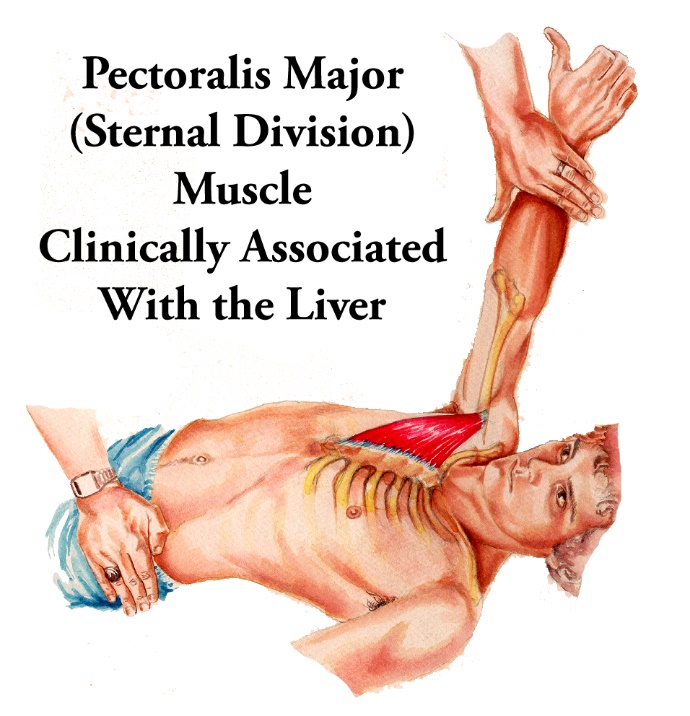
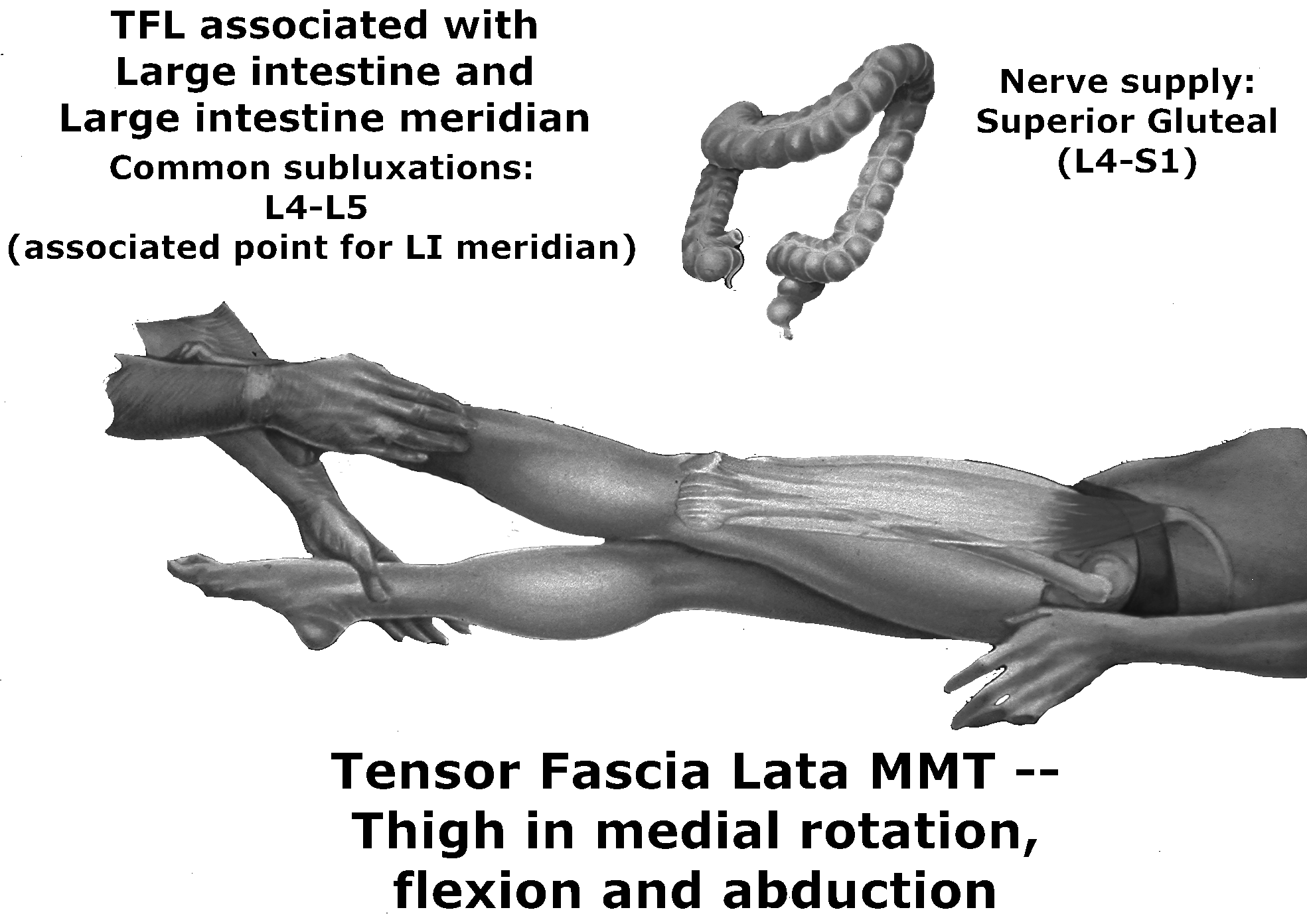
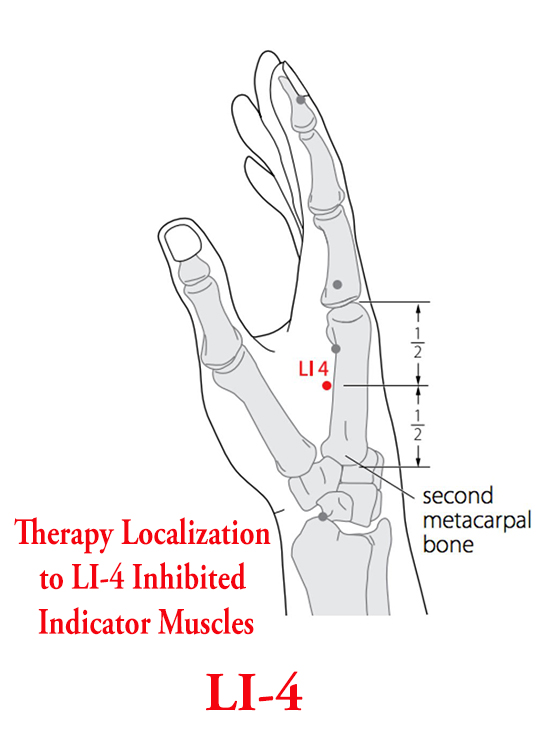
The pectoralis major (sternal division) muscle is associated with the liver.2 It has been clinically realized that liver dysfunction permits excessive hormones to produce symptoms in the patient, as the job of the liver is to both filter the hormones and the bowel. Bowel dysfunctions were also related in the patient’s history; and therapy localization to the alarm point of the bowel and the acupuncture point LI-4 (large intestine 4, the so-called “Source point” for the large intestine meridian in Traditional Chinese Medicine) were present.
The clinical deduction was made that relieving the liver of the distress it was undergoing from the patient’s bowel dysfunction, would improve the liver’s capacity to better filter the excess hormones coming from her IUD, producing her menstrual problems.
From a biochemical point of view, just before menstruation the liver must conjugate (prepare for elimination) increased amounts of progesterone and rising amounts of estrogen. By leveraging a woman’s web of endocrine wellness to do this, the body’s excretion of these hormones on a monthly basis occurs smoothly with very little, if any, symptomatology. The primary job of the liver is “to clean the bowel.” Whenever a patient has a hormone imbalance, a bowel disruption, or a liver problem, the other interacting aspects of their glandular and digestive function must be addressed for complete restoration of health. With this therapeutic approach, PMS can become a thing of the past.
On her first visit, inhibition of the sternocleidomastoid muscle was also corrected with treatment of the cranial system, involving inspiration and expiration assist cranial dysfunction corrections. This scenario has been reported dozens of times in the Collected Papers of the International College of Applied Kinesiology by physicians practicing AK around the world.1-2, 21 In fact, up-regulation of the signal from the neuro-endocrine axis to the ovaries (from the reduction of the cranial system dysfunctions) can create the onset of a menstrual period within minutes. It is our observation that cranial stress resolution through chiropractic manipulations to the skull and TMJ upregulates both the pineal and pituitary glands, allowing them to fully function as the master neuroendocrine transducers amplifying the innate intelligence of the neuroendocrine system and improving the HPA-axis.
Gastrointestinal irritation and/or inflammation may be caused by dietary imbalances, allergy, stress factors, local bowel flora changes due to use of medication (e.g., antibiotics), environmental pollution or other factors, resulting in altered gut ecology. This process involves depleted beneficial bacterial function, reduced protective secretory IgA levels and increased gut permeability.
This sequence of adaptations to previous or ongoing events results in larger than desirable molecules being absorbed from the gut, potentially triggering allergic reactions, as well as overloading liver function, with the possibility of autoimmune and hormonal consequences. The patient’s excessive pain syndromes and hormonal imbalances were likely related to this pattern of inflammation from the gut mucosa.
Results
The correction of cranial and spinal dysfunction, in addition to the use of Morinda for the bowel, as well as milk thistle for the liver, and ashwagandha for the adrenal glands brought about a rapid improvement in this patient’s clinical picture. The clinical findings of the first four visits are reviewed in Table 1.
Table 1
|
AK examination finding |
Corrective Treatment/Outcome |
|---|---|
|
|
|
|
|
|
|
|
|
|
|
|
One week later the patient was seen for her second visit. She was moving her bowels twice a day and no longer had any low back pain. We found and corrected a category one right, pelvic-spinal subluxation, TMJ muscle imbalances, and bilateral talus bone joint dysfunctions in the feet.
The patient was seen a week later, and she noted that her period had passed with very little pain, right on time, and of the correct length, for the first time in over two years. She continued to feel better and was happy with the outcome. Her anxiety levels were markedly reduced after the initial correction of a hyperventilation syndrome or breathing pattern disorder, found with muscle testing to be a failure of all indicator muscles on full expiration challenge. Her sleep was also improved with the reduction in her anxiety.22 We found and corrected a category 1 pelvic-spinal subluxation, with C4 PR. The patient reports that she has also lost weight and inches around her waist and has found this pleasing and noteworthy.
Discussion
Applied kinesiology is employed in the treatment of patients with a wide range of diseases and conditions, unrelated to obvious biomechanical problems. This situation emphasizes a basic requirement of AK practice—the necessity to consider the individual features of each patient and condition, and the background of chronic stressors (biomechanical, biochemical, and psychosocial) that a patient brings to the examination. It is also important to recognize that viscerosomatic reflex activity occurring in a patient’s musculoskeletal system may be determined before any symptoms of visceral change are evident and that this phenomenon (the muscle inhibitions resulting from viscerosomatic reflexes) has potential prognostic and diagnostic value.
The methods used in AK for the investigation of digestive dysfunctions and the viscerosomatic or viscero-muscular reflexes involved in these cases have been described by the author previously.2 Applied kinesiology suggests that subluxations might result from three areas of concern, which comprise chemical and mental elements in addition to structural. AK recognizes how nutritional, hormonal, and emotional elements influence neural function as reflected by muscle tone that is evaluated by an established muscle testing protocol whose reliability and validity have been shown.
Applied kinesiology essentially sees the locus of muscle dysfunction ultimately within the nervous system, which brings us back to the founder of chiropractic, D.D. Palmer, and his concept of “tone.” Thus, AK advocates a multi-model program with treatment inclusive of spinal manipulative therapy (SMT) for subluxations, cranial manipulative therapy, specific muscle testing and correction, biochemical evaluation and treatment, and psychosocial evaluation and treatment in order to improve muscle dysfunction (reflective of neural dysfunction) throughout the body in a holistic way.
It was apparent in this case report that altered biochemistry affected this patient’s mood; her altered mood changed her blood chemistry; her altered structure (improved posture from her increased muscle strength and speed) modified her total body function and therefore impacted on her chemistry (e.g., liver function) and potentially on her mood.
An imbalanced estrogen-progesterone ratio is associated with premenstrual syndromes (PMS) and is characterized by mood disorders. The PMS group of symptoms shows water and salt retention, abdominal bloating, mastalgia and weight gain that is associated with high aldosterone levels. This patient suffered most of these signs and symptoms. These kinds of patients are also characterized by blood sugar handling stress (premenstrual craving for sweets — especially chocolate) increased appetite, palpitation, fatigue, headache, and even syncope. Her craving for carbohydrates has improved and is the most likely reason for her weight loss.
PMS is usually associated with persistence of high estrogen after the normal mid-cycle ovulatory spike. This is usually due to insufficient clearance of circulating estrogen by the Phase II detoxification pathway in the liver. An increasing body of scientific data supports the hypothesis that conjugation (sulfation) and deconjugation (desulfation) of estrogens by the liver is important in the regulation of biologically active steroid hormones in target tissues as well.
Cranial treatment for this patient is suggested to have improved the rapidity of her recovery. Clinical observation has shown that the normal function of the motion of the cranial vault up-regulates the function of the neuroendocrine axis, or where the brain folds in upon itself and becomes the endocrine system. This takes place in the middle of the brain and includes the pineal, pituitary, and hypothalamic endocrine glands. These glands are known as the master endocrine control center. These glands control the sleep-wakefulness cycles (or circadian rhythms), reproductive cycles, stress-handling capabilities, and structural integrity.
In this case, functional restoration of the neuroendocrine axis most likely facilitated the return of balance and this patient’s ability to sleep in a normal manner. When it gets dark outside, the pineal gland secretes melatonin, which eventually causes a person to fall asleep. Inadequate stimulation of this gland by lack of cranial motion, may reduce its production of this key hormone, and thus create downstream problems. This treatment should be the very first line of therapy for sleep disorders, as it is simple, cost effective, and non-invasive.
Conclusion
This holistic approach to wellness is the practice of the future as more people focus on preventative, wellness care rather than crisis care. There are today a number of notable institutions and clinic systems growing throughout Asia that have already begun treating and teaching their patients and students using these approaches. The author serves at Intercare Chiropractic Clinics in Makati Manila, the Philippines, where a combination of chiropractic, general medical consultations, rehabilitation and sports medicine, physiotherapy, medical massage and acupuncture are part of the integrative clinical encounter for each patient.23
Countries in the developing world must find ways of building up national resources for prevention, health promotion, and mind/body medicine so that the complexities and causes of functional, chronic illness can be addressed. Throughout the world, resources are constrained and so the ever-growing use of expensive, invasive treatments for functional illnesses is not the best choice for either the first nor the developing world.
From the beginnings of applied kinesiology, practitioners have observed an association between muscle-joint function and visceral-autonomic dysfunction. It is exciting to see accumulating research and developing models from a wide range of academicians and clinicians converging toward concurrence with the field of applied kinesiology.2 This development will, ideally, lead to more coordination with physicians from other fields and backgrounds to work synergistically with clinicians utilizing applied kinesiology methods in the treatment of patients with functional illnesses.
Successful management guided by AK MMT chiropractic methods (involving biomechanical, biochemical, and meridian system factors in the treatment) for a 22-year-old female with a life-long history of hormonal and menstrual irregularities is presented. Four treatments that consisted in the analysis of muscular impairments (inhibition on MMT) and their relationship to organic, articular, soft tissue, hormonal and nutritional disorders, which were treated with chiropractic adjustments, resulted in elimination of the muscle weaknesses found and elimination of years of previous musculovisceral suffering.
Many of these muscular and viscerosomatic impairments have been shown to be reversible: improvements in muscle and hormonal function after chiropractic treatment has been documented in the literature.24 Applied to the general population with endocrine, liver, and digestive dysfunctions, strategies designed to optimize muscle strength and associated autonomic and visceral functional components may have the potential to reduce a vast burden of disability, dependence, and cost.
References
-
International College of Applied Kinesiology – U.S.A. [homepage on the internet]. Available at: http://icakusa.com/content/research. (Accessed January 02, 2021)]
-
Cuthbert S, Walther DS. Applied Kinesiology Essentials: The Missing Link in Health Care. (2020). Amazon Kindle.
-
Cuthbert S, Rosner A, McDowall D. Association of manual muscle tests and mechanical neck pain: results from a prospective pilot study. J Bodyw Mov Ther. 2011 Apr;15(2):192-200.
-
Cuthbert SC, Goodheart GJ Jr. On the reliability and validity of manual muscle testing: a literature review, Chiropr Osteopat. 2007; 15(1): 4
-
Schmitt WH Jr, Cuthbert SC. Common errors and clinical guidelines for manual muscle testing: “the arm test” and other inaccurate procedures. Chiropr Osteopat. 2008 ;16(1): 16.
-
Janda V. Muscle Function Testing. London, UK: Butterworths; 1983:150-222.
-
Lewit K. Manipulative Therapy in Rehabilitation of the Locomotor System, 2nd edition. Oxford, UK: Butterworth-Heinemann; 1991:120-124.
-
Liebenson C. Ed: Rehabilitation of the Spine: A Practitioner’s Manual, 2nd ed. Philadelphia, PA: Lippincott, Williams & Wilkins; 2007:203-225.
-
Motyka TM, Yanuck SF. Expanding the Neurological Examination Using Functional Neurologic Assessment, Part 1: Methodological Considerations. Int J Neurosci 1999;97(1-2):61-76.
-
Green GN, Gin RH. George Goodheart, Jr., D.C., and a history of applied kinesiology. J Manipulative Physiol Ther 1997: 20(5): 331-337.
-
Schmitt WH, Yanuck SF. Expanding the neurological examination using functional neurological assessment part II: Neurologic basis of applied kinesiology. Int J Neuroscience 1999; 97: 77-108.
-
Kendall HO, Kendall FP, Boynton, DA. Posture and Pain. Baltimore, MD: Williams & Wilkins; 1952:77-94.
-
Goodheart GJ: Applied Kinesiology Research Manuals. Detroit, MI: Privately published; 1964-1998.
-
American Medical Association: Guides to the Evaluation of Permanent Impairment, 5th Edition, Chicago, IL, 2001:510.
-
Gelb G. Killing pain without prescription. Appl Kinesiol; 1993:165-172.
-
Walther DS. Applied Kinesiology and the Stomatognathic System. IN Gelb H [Ed]. New Concepts In Craniomandibular and Chronic Pain Management. London, UK: Mosby-Wolfe;1994:349-368.
-
Schmitt W. Individualized Assessment Using Applied Kinesiology Procedures. IN Bassman L. [Ed.]. The Whole Mind: The Definitive Guide to Complementary Treatments for Mind, Mood, and Emotion. New World Library, 1998:187-207.
-
Tiekert, CG. Applied Kinesiology: it’s use in veterinary diagnosis. Vet Med, 1981;76:1621-1623.
-
Larson D. Physical balancing: Acupuncture and Applied Kinesiology, Am J Acupunct. 1985;13(2):159-162.
-
Gregory WM, Mills, SP, Hamed, H.H., Fentiman IS. Applied kinesiology for treatment of women with mastalgia, Breast, 2001;10(1):15-9.
-
Cuthbert S, Lindley-Jones C, et al. A History of Professional Applied Kinesiology Around the World, Part 1 & 2. Townsend Letter: The Examiner of Alternative Medicine. (Dec 2020 & Jan 2021).
-
Cuthbert S, Rosner AL. Physical causes of anxiety and sleep disorders: a case report. Altern Ther Health Med. 2011 Nov-Dec;17(6):30-2, 34.
-
www.Intercare-centers.com.
-
Masarsky, C. S., and Masarsky, M. T. Somatovisceral Aspects of Chiropractic: An Evidence-Based Approach. (Churchill Livingstone, 2001)
-
Wang M-Y, et al. Morinda Citrifolia (Noni): a literature review and recent advances in Noni research. Acta Pharmacol Sin. 2002 Dec.
-
Therapy localization is a diagnostic procedure unique to AK that consists of placing the patient’s hand over areas of suspected involvement and observing for a change in the MMT. This method is assists the doctor in rapidly finding areas that are involved with the muscle dysfunction found on MMT and has been used clinically for nearly 40 years. Cuthbert et al, Rosner et al, and Pollard et al in recent literature reviews outlined the research supporting the AK concept of therapy localization. Collectively these data suggest that stimulating or stabilizing the muscles, joints, ligaments, and skin — and their associated cutaneomotor reflexes — can produce changes in muscle function.








0 Comments