
Cancer, Naturopathic medicine, Acetyl-L-carnitine/chemo-induced neuropathy, Aspirin/Breast cancer recurrence, Biotin/lab tests, Naturopathic oncology, Tamoxifen
OncANP 2020
By Jacob Schor, ND, FABNO
In studies on the health benefits of forest walking, you may have you noticed that the participants always seem to walk through lush deciduous or conifer forests rather than through deserts populated by towering prickly cactuses, snakes, or lurking scorpions. In my mind everything in the desert is patiently waiting to hurt me. I remember this each year when we arrive in Arizona for the annual conference of the Oncology Association of Naturopathic Physicians (OncANP). I’ve spent time in the desert over the years, and there are moments when I’m struck numb by the beauty, but there’s always a bit of uneasiness and anxiety about where I’m going to step next. It wouldn’t surprise me to read that cortisol levels spike up after what might be called cactus strolling (or dodging?).
Many people apparently like coming to Arizona in the middle of winter; and because of this, the OncANP has held their annual conferences in the Phoenix area almost every year. The ninth annual conference was held this year at We-Ko-Pa Resort an Indian-owned facility, part of the Fort McDowell Yavapai Nation in Scottsdale, that in addition to a conference center has a golf course and casino to entertain guests.
As mentioned, this was the ninth annual OncANP conference. One gets better at doing some things with practice. These conferences seem to get better with each passing year. Corey Murphy, the executive director of the organization, has been in charge of all the prior conferences and ran this one as well. She clearly has gotten better at her job and has learned to let the conference content committee have a long leash. Professor Lise Alschuler has chaired this content committee for a number of years. That’s my new nickname for Dr. Lise Alschuler ever since she took on her current job title, “Professor of Clinical Medicine at the University of Arizona.” I don’t believe it is possible for her to get any better at doing this. She started out good and quickly reached a superlative ability level a few years back. I credit Professor Alschuler and the work of this committee with much of what makes these conferences so special.
Years back the conference committee began instituting practices that have raised the bar. Speakers are required to submit their PowerPoints well in advance, and the committee assigns teams to review and critique the presentations. This started out as simple proofreading with the hope of eliminating the product promotions that prevent attendees from being awarded CE hours. The review process has evolved into full-fledged content critiques with suggestions for how to improve the lectures. If it feels like the OncANP conference is more polished than other conferences, that’s because it is. Pretty much all presentations have been refined and improved before the speaker gets to stand up on the stage.
This was brought home by a Harvard researcher, whose work we have followed closely, who thanked us over dinner for our critiques. This may be why it feels like the conference, which started out good almost a decade ago, feels like it’s getting better year after year. I know it’s customary in these conference reports to write mini-summaries speaker by speaker, but I can’t believe anyone actually reads stuff like that. Let me just tell you about the information that sticks in my mind.
According to Drs. Tina Kaczor and Gurdev Parmer, who recently completed their Textbook of Naturopathic Oncology, 30% of cancer patients will suffer from hypercalcemia at one time or another. This detail came out during their review of things that we don’t want to miss noticing in our patients. (a lecture which I’ve nicknamed 101 ways not to screw up). Other things we don’t want to miss, of course, include a neutropenic fever and distinguishing it from the desired reaction to a fever-inducing therapy, say mistletoe or hyperthermia; this is not always easy to do. Some things need continual repeating: we no longer use acetyl-l-carnitine (ALC) to prevent neuropathy nor combine green tea with bortezomib and so on, things we’ve certainly heard before but might have forgotten.
It continues to surprise me that not everyone knows about this ALC caution, but that is perhaps because those of us involved with OncANP have a single-minded focus on oncology. ALC may still be indicated for other types of neuropathy, in particular diabetic neuropathy (though the evidence is building that testing for and treating B-12 deficiency should top that malady’s differential rather than merely treating with ALC1).
Our reliance on ALC for prevention of chemotherapy-induced neuropathy evaporated seven years ago with the publication of Hershman et al’s “Randomized double-blind placebo-controlled trial of acetyl-L-carnitine for the prevention of taxane-induced neuropathy in women undergoing adjuvant breast cancer therapy” in the Journal of Clinical Oncology. The authors had conducted a 24-week trial giving either 3 grams of ALC/per day or placebo to see what effect it had on taxane-induced neurotoxicity, expecting to confirm the benefit of this treatment (n=409). Their results came as a surprise: “There was no evidence that ALC affected CIPN [Chemotherapy-induced peripheral]. at 12 weeks; however, ALC significantly increased CIPN by 24 weeks.”2 In other words, ALC didn’t help; instead, it actually made things worse. In 2018 the same authors reported that they had followed the patients from the initial trial; and in those who received ALC their neuropathy persisted and was still significantly worse when evaluated two years later.3
“Wheelhouse” seems to be the word of the year. After losing count of how many times Jen Green and others used the term in their lectures, I found myself Googling its definition because I really didn’t know what it meant. Apparently, my best guess, that it refers to the shelter surrounding the steering apparatus of boats, and by implication that the term was used to reference one’s ability to affect the direction of travel or alter one’s course, basically steer the boat or take control, is totally wrong. “According to the Dickson Baseball Dictionary, the term wheelhouse refers to swinging a bat when the ball is right in your crush zone.” So really, it’s about what one is best at doing. So much for my imagining Dr. Green piloting a paddleboat down the Mississippi while standing in her wheelhouse. This makes me wonder about how lengthy the list of other things that I am wrong about is.
I was delighted to finally meet Dr. Michelle Holmes from Harvard, famous for her work on aspirin and breast cancer recurrence risk. Her original study suggests aspirin might cut risk by nearly half. After reviewing the possible mechanisms of action underlying this phenomenon, she openly admitted that most of these explanations are not adequate. Effective aspirin doses are often too low to decrease inflammation (one early idea); and although NSAIDs inhibit aromatase, the fact that aspirin inhibits both ER positive and ER negative breast cancers argues against the protective action being hormonal, and so on. Given that it took about a hundred years from when Bayer introduced aspirin until we had a decent explanation why it decreased pain and fever, I figure we can be patient a little longer.
Dr. Sharon Gurm gave an excellent and fascinating lecture on the utilization of lasers and photo-potentiating agents. This subject seems like it’s about to take off. She presented several phenomenal cases that stuck in my mind, the kind of cases one feels envious of, the “I wish my patients did so well” kind of cases.
To return to baseball metaphors, Dr. Gurm, hit it out of the park. My lasting memory from her lecture was the list of instructions about public speaking that she received from her nine-year-old daughter, who had been taught them at school:
-
Stand up straight
-
Look each individual audience member in the eye
-
Speak clearly with a loud voice
-
While on stage, do not pick your nose.
Ian Biers ND, MPH, LAc and fast talker wowed us all with how much he could say in his brief allotted time. While the lecture was supposed to be about the quality of life benefits from instituting early palliative and hospice care, Dr Biers couldn’t resist hammering home again his recurrent message that progression-free survival does not predict overall survival (PFS is not OS) as he has in prior years. His reiterations seem to be working; people now seem to believe him and don’t raise their hands in objection. Where once these were radical ideas, solid data now support all of his messages, and repetition does seem to work. Along with the solid science he quotes of course.
OncANP tried something new this year, a concept introduced initially at the Lamson at the NOC conferences. These are small, invitation-only conferences that Davis Lamson has held at random intervals at the Tahoma Clinic in Washington. Because seating is so limited, they have been invitation only. Any attendees who wants is invited to present; the catch is that they only get ten minutes to do so. OncANP tried copying this idea calling the short presentations “lightening talks.” After a day and a half of sitting through full length PowerPoint lectures, even ten minutes seemed like too much time. But at least I stayed to listen.
Michael Traub went first and in his lightening talk broke the news about high-dose biotin being a problem. The FDA announced recently that biotin may throw off the results of many common laboratory tests. If your patients were taking biotin to get their hair to grow back or make their fingernails stronger, when their blood was drawn, you should not believe their lab test results. Make them take a couple of days break from the biotin and then retest.4
Dugald Seely reported on the results of his clinical trial on melatonin in lung cancer patients that his team in Ottawa conducted over recent years. The paper hasn’t been accepted for publication yet so I can’t reveal the results here. I can tell you that years back I assumed that melatonin would have no great effect on lung cancer based on Itai Kloog’s 2008 light at night paper. Remember that Kloog used nighttime satellite photos to estimate the light at night (LAN) exposures different communities in Israel. Kloog found a strong positive association between LAN intensity and breast cancer rates, a 73% higher breast cancer incidence in the brightest lit communities compared to the lowest. Yet in their data, “…no association was found between LAN intensity and lung cancer rate.”5 If light at night doesn’t impact lung cancer, it seemed logical that melatonin wouldn’t either.
I amended my initial belief that melatonin was useless for lung cancer back when Dugald first initiated this clinical trial. He is way smarter than me and if he thought melatonin worth trying, then he had a good reason.6 You’ll just have to wait until the study is published to find out what the current best evidence suggests we do. Maybe I’ll get to gloat and say I told you so or maybe not.
Speaking of Dugald Seely (he’s current president of OncANP by the way), his older sister Jean Seely, MD, a radiologist and specialist in mammography, spoke at the conference presenting her arguments that using these imaging techniques improves outcomes. Getting to watch the older sister harass the younger brother was quite fun. It was something of a highlight for me. I’ve said it before, the best reason to attend conferences is not to sit in lecture halls all day long, it’s to see and interact with people in person. This whole online world is a poor substitute for the real thing.
Sticking with Dugald for a moment longer, he wisely chose Heather Wright as the recipient of this year’s President Award. I can’t think of anyone else who has worked harder for the association in recent years. Dr. Seely has a challenge ahead of him as he takes over leadership from Dr. Wright as president of the association; she may have small feet, but she certainly has left large footprints to fill. (As I read this over, I realize that my metaphor must be wrong. Perhaps it is supposed to be about shoes. It can’t be right to suggest someone has big feet? Yet suggesting someone has big shoes can’t be much better.)
Well, perhaps I wrote too hastily; we should not forget the Professor, that is Lise Alschuler. Longest serving member of the OncANP board of directors, she continues to chair the OncANP speaker committee, not the easiest group of people to lead, and she does so with charm, tact, and never a trace of annoyance. If my original miscomprehending understanding of what ‘wheelhouse’ were to be actually true, I could write, “It is the Professor in the Wheelhouse, who should receive most of the credit for steering this conference and the association forward toward another successful year and safe harbor.” But of course, wheelhouse is all about baseball and has nothing to do with ships at sea.
As is custom, the best was saved for last and Professor Alschuler and Dr. Kaczor once again finished the conference off for us with their annual lecture summarizing the year’s relevant research pertaining to naturopathic oncology. The last study they mentioned, perhaps because of its proximity in time to my mad dash to the airport to catch a flight home, is the one that stuck in my mind the most. It was about tamoxifen dosing and whether lower doses might be as effective as the standard dose that oncologists always prescribe. Perhaps it wasn’t just the anticipatory surge in cortisol that thinking about my past experience getting through TSA lines had engendered, but the fact that I have searched unsuccessfully for an answer to this particular question in the past for specific patients that made my memory so retentive.
The last topic was the DeCensi et al paper published in July 2019 in the Journal of Clinical Oncology. It is well accepted by the powers that be that 20 mg/day of tamoxifen taken for five years is effective at “decreasing breast cancer proliferation.” These authors suspected “… that a lower dose given for a shorter period could be as effective….” And that’s what they tried; just 5 mg per day for only three years. This was a decent sized study; five hundred women with a median follow up of over five years. Low dose tamoxifen cut progression risk by more than half (hazard ratio, 0.48; 95% CI, 0.26 to 0.92; P = .02), and risk of contralateral occurrence by 75% (hazard ratio, 0.25; 95% CI, 0.07 to 0.88; P = .02). We should note that this isn’t much different than the benefit we expect from full 20 mg dosing, for example, in Allred et al in 2012, the HR was 0.58 (95% CI, 0.42 to 0.81).7 In fact, these numbers suggest that low-dose tamoxifen was more effective, doesn’t it, reducing risk by 52% instead of only 42%; but of course, these numbers are not significantly different, are they? So please don’t pretend that low is better than standard dosing. By the way, the women who took the low-dose tamoxifen did not complain significantly more of side effects than those taking placebo. This gives us something to think about next time a patient is reluctant to take tamoxifen; a quarter of the regular 20 mg dose still works, without causing pronounced side effects.8
Learning this one thing made the entire conference worth my cost and effort of attending. The 2021 OncANP conference will be June 11-13th in Toronto, Canada.
Photos: below…..
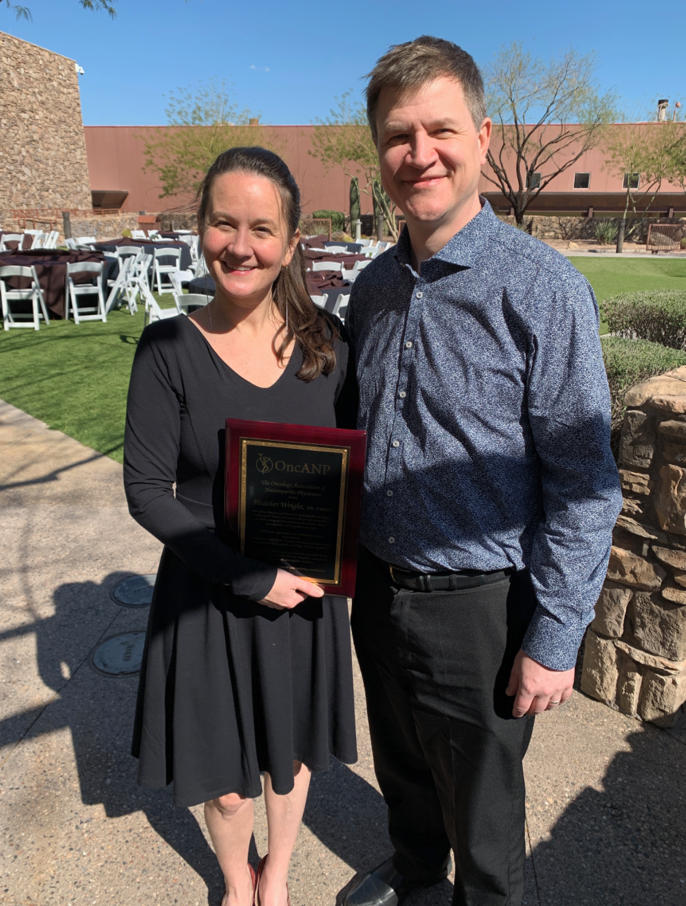
Heather Wright, ND, holding the 2020 President’s Award given to her by Dugald Seely, ND, current OncANP President. (photo: Griffin McMath)
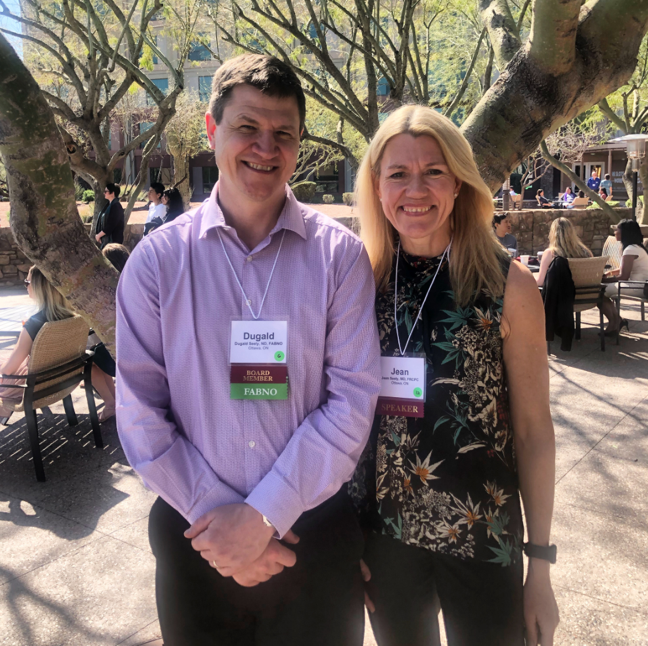
Jean Seely, MD, (on r.) with her little brother Dugald Seely, ND (on l.)
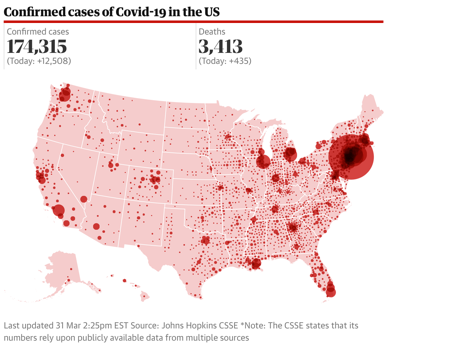
The reason cactus bathing isn’t a thing like forest bathing.
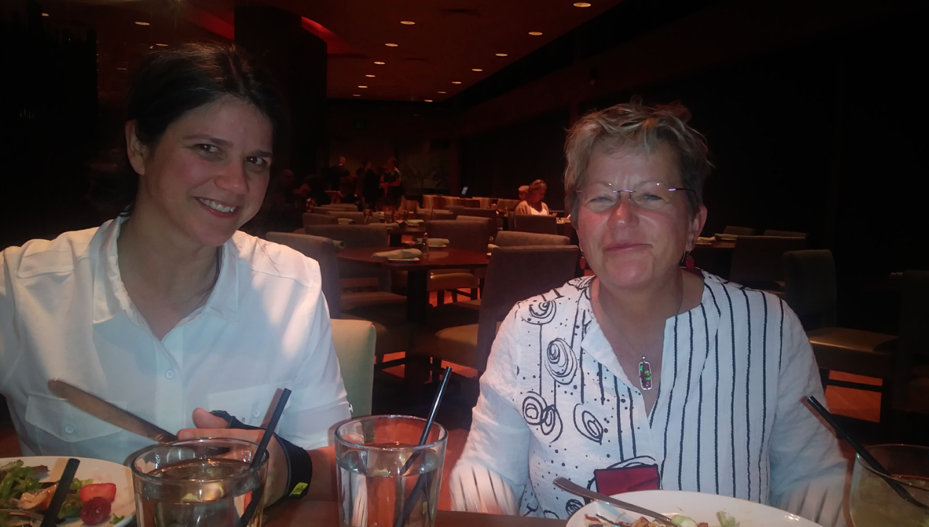
Nice photo of Tina Kaczor, editor of the Textbook of Naturopathic Oncology, with Professor Lise Alschuler
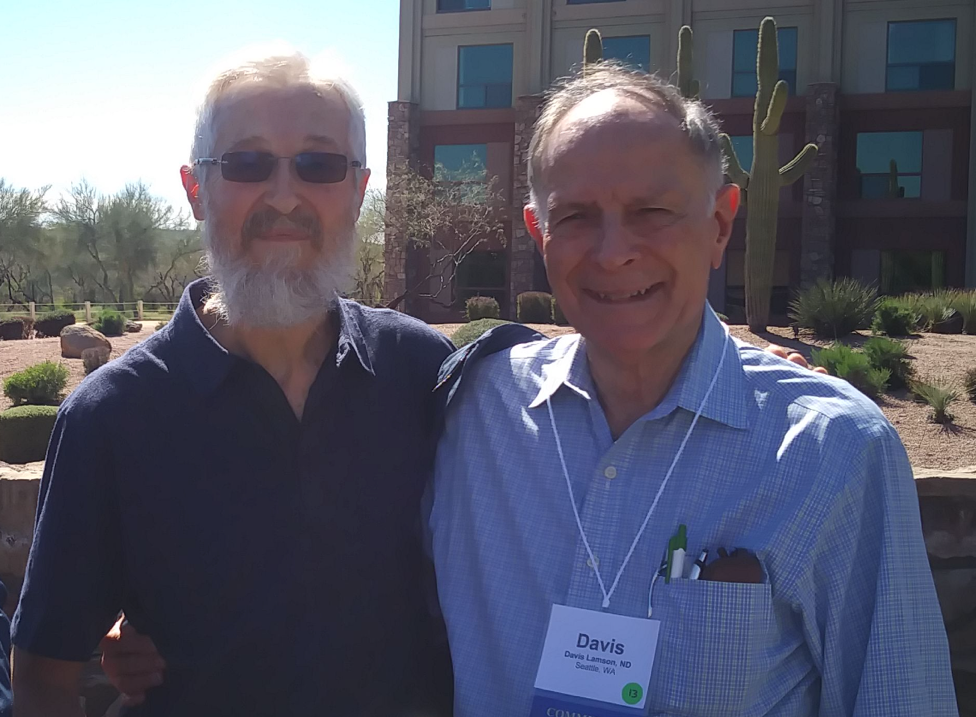
Paul Saunders, PhD, ND, and Davis Lamson, ND
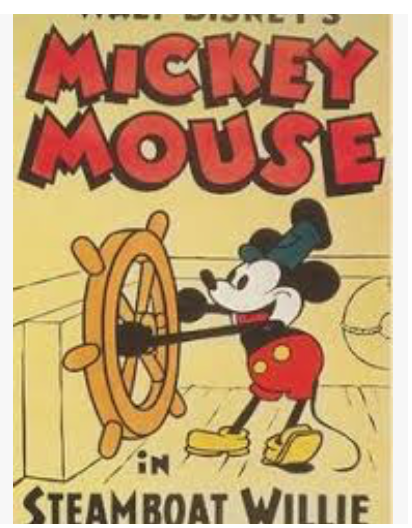
My image of a wheelhouse
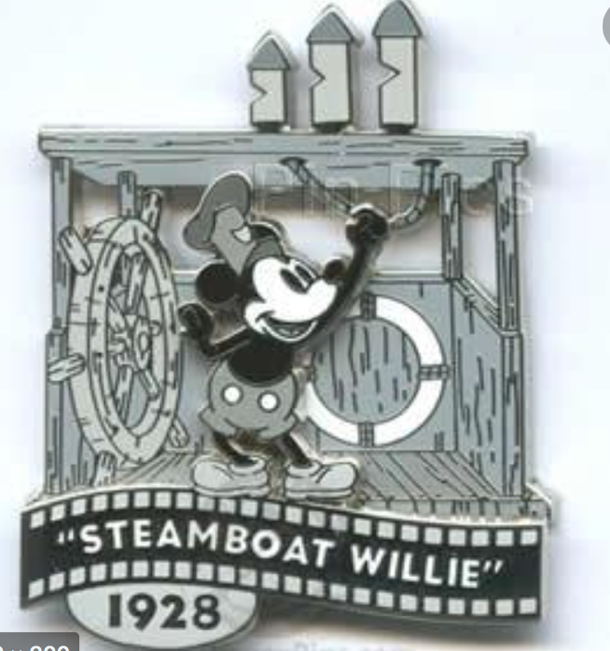
Mickey Mouse in his Wheelhouse
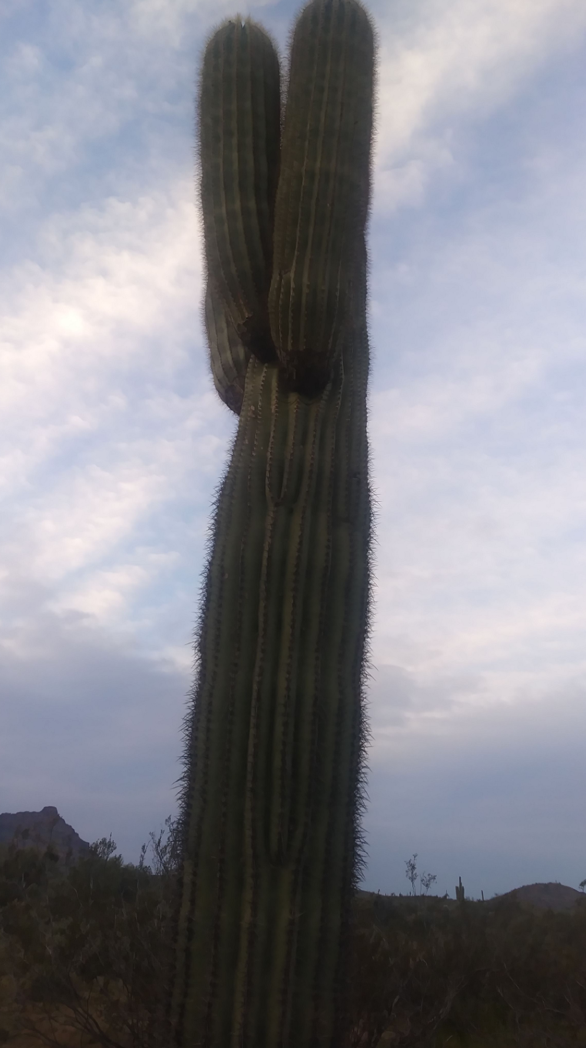
Cactus bathing?
-
References
. Yang W, Cai X, Wu H, Ji L. Associations between metformin use and vitamin B12 levels, anemia, and neuropathy in patients with diabetes: a meta-analysis. J Diabetes. 2019 Sep;11(9):729-743.↩︎
-
. Hershman DL, et al. Randomized double-blind placebo-controlled trial of acetyl-L-carnitine for the prevention of taxane-induced neuropathy in women undergoing adjuvant breast cancer therapy. J Clin Oncol. 2013 Jul 10;31(20):2627-33.↩︎
-
. Hershman DL, et al. Two-Year Trends of Taxane-Induced Neuropathy in Women Enrolled in a Randomized Trial of Acetyl-L-Carnitine (SWOG S0715). J Natl Cancer Inst. 2018 Jun 1;110(6):669-676.↩︎
-
. https://www.fda.gov/medical-devices/safety-communications/fda-warns-biotin-may-interfere-lab-tests-fda-safety-communication↩︎
-
. Kloog I, et al. Light at night co-distributes with incident breast but not lung cancer in the female population of Israel. Chronobiol Int. 2008;25(1):65-81.↩︎
-
. Seely D, et al. Melatonin as adjuvant cancer care with and without chemotherapy: a systematic review and meta-analysis of randomized trials. Integr Cancer Ther. 2012 Dec;11(4):293-303.↩︎
-
. Allred DC, et al. Adjuvant tamoxifen reduces subsequent breast cancer in women with estrogen receptor-positive ductal carcinoma in situ: A study based on NSABP protocol B-24. J Clin Oncol. 2012;30:1268–1273.↩︎
-
. DeCensi A, et al. Randomized Placebo Controlled Trial of Low-Dose Tamoxifen to Prevent Local and Contralateral Recurrence in Breast Intraepithelial Neoplasia. J Clin Oncol. 2019 Jul 1;37(19):1629-1637.↩︎








0 Comments