Microbes and Plagues
“Those who have a vested interest in the status quo will probably continue to stifle any meaningful change until enough citizens who are concerned about the ecological system are willing to speak out…”


“Those who have a vested interest in the status quo will probably continue to stifle any meaningful change until enough citizens who are concerned about the ecological system are willing to speak out…”

This book explores toxic substances commonly found in our food supply and their impact on health, genes, and the environment. It discusses the rise in ingredients containing heavy metals and their link to conditions like ADHD or autism, while offering practical tips for reading food labels and avoiding misleading marketing tactics.

The article discusses the use of toxic chemicals, including glyphosate, initially promoted as safe by government and military authorities but later proven harmful. It highlights the health and environmental impacts, such as cancer and neurological disorders, while critiquing the role of federal agencies and corporations in covering up these risks. The article also emphasizes the damage caused by these chemicals and the failure of institutions to prioritize public health over corporate interests.

The primary goal in the management of environmental toxicity is reducing the toxic load, which allows the body to address stored toxins.

Book Review: The Sensitive Patient’s Healing Guide offers insights on environmental toxins, Lyme disease, and EMFs. Dr. Nathan provides a comprehensive approach to treating complex illnesses.

Exploring the link between environmental sensitivities and mast cell activation syndrome, uncovering triggers like toxic chemicals, mold, and heavy metals.

Recent investigations have revealed concerning levels of toxic metals like arsenic, lead, cadmium, aluminum, and mercury in various baby food products. These findings underscore the need for vigilant monitoring.
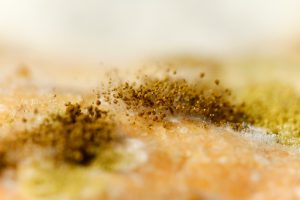
Mast Cell Activation Syndrome can be triggered by toxic mold, leading to symptoms like fatigue, migraines, and digestive issues. Understanding MCAS and its connection to environmental triggers is crucial.

Beech Bark Scale is killing trees, reminiscent of the Black Plague’s impact on humans. Research shows genetic adaptations post-Plague aiding in pathogen defense.
Dr. Joseph Pizzorno discusses the impact of environmental toxins on diabetes, highlighting arsenic and chemicals in plastics. Avoidance and detox strategies are crucial for reducing toxic load.

The FDA is investigating the absorption of sunscreen chemicals, urging caution. Lycopene-rich foods like tomatoes offer UV protection. Sunscreen safety remains a concern for all ages.

Recent studies examine aluminum exposure from pediatric vaccines, raising safety concerns. Recommendations for modified schedules to reduce aluminum intake in infants.

The human body faces daily exposure to environmental toxins, necessitating effective detoxification methods. Understanding the phases and Nrf2’s role is crucial for comprehensive detox support.
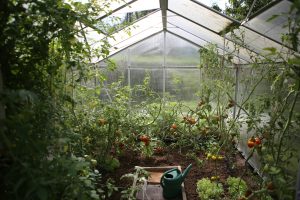
Starting a vegetable garden taught the editor about patience, resilience, and working with nature. It highlights the importance of soil health and natural methods for plant growth.

As pediatric integrative clinicians, we examine children’s health trends, focusing on root causes of illness. GMOScience.org educates on food’s impact on kids’ well-being.

Exploring the intelligence of microbes and the concept of biocivilisations, highlighting the role of bacteria in Earth’s biogeochemical affairs for billions of years.

Urgent letter highlights critical flaws in NTP’s fluoride monograph, emphasizing the importance of correcting errors for public health protection.
Discover the intricate microbial language and communication among organisms, shedding light on how bacteria influence mood and health through the gut-brain axis.

It has proven to be difficult, if not impossible, to proceed to full-scale randomized controlled trials (RCTs) for most of the natural methods that cannot be patented or otherwise monopolized.

By addressing food sensitivities through targeted testing and personalized dietary interventions, individuals can take a significant step toward reducing inflammation, improving gut health, and enhancing overall well-being.

As the producer of The Moss Report, the year leading up to the Covid-19 pandemic was filled with anticipation and excitement. We had invested years of hard work and significant resources into two major projects: our feature film, Immunotherapy: The Battle Within, and...

"From Practitioner to Leader: Clinical Excellence, Business Mastery & Sustainable Practice" Discover how clinical excellence, business mastery, and sustainable systems can help practitioners grow into confident leaders and build practices designed for long-term impact. Why Attend? Three days of learning, connection, and growth designed for every stage of your practice journey. Learn from Leading Voices Gain insights from top experts in natural health, holistic wellness, and functional medicine. Hands-On Learning Participate in in-depth workshops, real-world case studies, and interactive sessions you can apply immediately. Meaningful Networking Connect with like-minded professionals, students, and exhibitors who share your passion for natural health. Practical Tools & Approaches Explore new strategies and tools to elevate both your practice and your own health journey. Who Should Attend? This conference is built for a wide community of natural health professionals, educators, and advocates - wherever you are in your journey. Licensed & Clinical Practitioners Doctors, chiropractors, acupuncturists, naturopaths, and functional or integrative medicine practitioners looking to sharpen clinical skills and grow into stronger practice leaders. Allied Health Professionals Bio-feedback technicians and other allied practitioners seeking hands-on training and the latest tools in natural and holistic care. Educators & Students Natural health educators and students entering the […]

Join health professionals, farmers, food producers, researchers, educators, nonprofit leaders, chefs, policymakers, community organizers, food advocates, public health practitioners, nutritionists, and other changemakers as we convene to share knowledge, build partnerships, and explore new possibilities for improving health, strengthening communities, and creating more equitable and sustainable food systems. This year’s program features inspiring speakers and practical examples of collaboration at the intersection of food, health, social justice, and planetary well-being. Together, we’ll explore innovative approaches to Food as Medicine, community-led initiatives, nutrition, public health, regenerative agriculture, and equitable access to healthy food. Whether you work in health care, agriculture, food production, education, research, policy, or community development, you will discover new ideas, meaningful connections, and practical strategies to advance healthier, more resilient communities. Virtual | Join from anywhere in the world Check out the Program: https://tinyurl.com/Food-as-Medicine-for-All

Menopause Care in the Longevity Era Longevity medicine is everywhere right now. Supplements, protocols, influencer clinics, patients walking in with questions about interventions their doctors have never heard of. What's missing from most of it is the evidence. The Midlife Women's Health Summit is three days on what the research actually says about menopause care when you add a longevity lens. What works, what doesn't, what's being oversold, and what to tell the patient sitting in front of you. Co-chaired by Lisa Larkin, MD, FACP, MSCP, IF, Jen Gunter, MD, FRCS(C), FACOG, DABPM, ABPMR, and Lauren Streicher, MD, FACOG, MSCP; three of the clearest voices in women's health on separating data from marketing.