Lifestyle Modifications for Prostate Cancer
This study underscores the importance of targeted prevention strategies, and highlights the benefits of general lifestyle modifications, especially for men at higher genetic risk of prostate cancer.


This study underscores the importance of targeted prevention strategies, and highlights the benefits of general lifestyle modifications, especially for men at higher genetic risk of prostate cancer.

It’s important to understand that no single nutrient or food causes or cures prostate cancer. Like anything else, even something as essential as water can be harmful if consumed in excess.
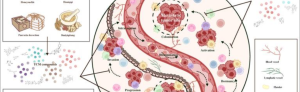
For bodies to develop properly and stay healthy, many things must work together at many different levels – from organs to cells to genes. Despite notable advancements, we have greatly oversimplified the dynamic relationships between plants and humans, kept hidden the larger human narratives about these relationships, and overlooked potentially important research and discoveries into life-saving medicines.

One study reviewed linked higher fitness levels in middle-aged men with decreased risks of cancer and cardiovascular disease mortality, although it found no direct correlation with prostate cancer incidence.

Rauwolfia, is very specific for type A sympathetic types for it tones down the sympathetic nervous and increases the level of calm and decreases stress responses. It helps with blood pressure, cancer, and more.

This article examines the health benefits of Ganoderma lucidum (Reishi), a medicinal mushroom known for its immune-modulating and anti-inflammatory properties. Highlighting case studies of hayfever patients, it shows how Reishi significantly alleviates allergy symptoms. The mushroom’s natural compounds may offer a safer alternative to conventional anti-inflammatory drugs, though further research is needed to fully confirm its effectiveness.

Nutritious mushroom biomass preparations can be utilized as an alternative treatment or in synergistic combination with conventional pharmaceuticals to increase therapeutic activities and lower the risk of negative effects in neurodegenerative illnesses.

Recent studies examine aluminum exposure from pediatric vaccines, raising safety concerns. Recommendations for modified schedules to reduce aluminum intake in infants.

The history of the randomized, double-blind, placebo-controlled trial (RDBPCT) is fascinating. In 1747, James Lind described a controlled trial when sailors suffering from scurvy were given dietary interventions.

The Trial to Assess Chelation Therapy (TACT) showed positive results in treating cardiovascular disease with EDTA chelation and high-dose vitamins, especially in diabetic patients.

Exploring the impact of randomized controlled studies on medical practices and the importance of cautious information dissemination in the age of rapid communication.

The NeuroVizr is a new generation of Audio-Visual Entrainment devices shown to improve symptoms of ADHD, anxiety, depression, and relaxation states significantly.

There are many ways that herbs and prescription drugs can affect each other in the body, highlighting the importance of considering individual patient’s diet for safety.

FDA approved mRNA covid vaccines for children over six months. Concerns raised about synthetic RNA, spike protein effects, and DNA contamination.

The NeuroVizr™ Study Paper explores the positive effects of the device on relaxation states and sleep, offering a unique bottom-up experience for users.

Strategies to determine how to trust health information, reasons for skepticism, and finding credible resources. Importance of asking relevant questions in healthcare decisions.
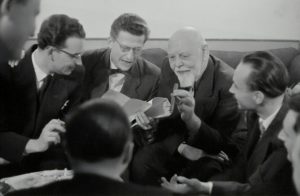
Peter Gøtzsche’s expulsion from Cochrane Collaboration raises concerns about HPV vaccine reviews. Conflicts of interest and data reliability under scrutiny.
Childhood abuse can impact menopausal vasomotor symptoms. Screening for trauma history is crucial in midlife women’s care to address sleep disruptions.

It has proven to be difficult, if not impossible, to proceed to full-scale randomized controlled trials (RCTs) for most of the natural methods that cannot be patented or otherwise monopolized.

By addressing food sensitivities through targeted testing and personalized dietary interventions, individuals can take a significant step toward reducing inflammation, improving gut health, and enhancing overall well-being.

As the producer of The Moss Report, the year leading up to the Covid-19 pandemic was filled with anticipation and excitement. We had invested years of hard work and significant resources into two major projects: our feature film, Immunotherapy: The Battle Within, and...

"From Practitioner to Leader: Clinical Excellence, Business Mastery & Sustainable Practice" Discover how clinical excellence, business mastery, and sustainable systems can help practitioners grow into confident leaders and build practices designed for long-term impact. Why Attend? Three days of learning, connection, and growth designed for every stage of your practice journey. Learn from Leading Voices Gain insights from top experts in natural health, holistic wellness, and functional medicine. Hands-On Learning Participate in in-depth workshops, real-world case studies, and interactive sessions you can apply immediately. Meaningful Networking Connect with like-minded professionals, students, and exhibitors who share your passion for natural health. Practical Tools & Approaches Explore new strategies and tools to elevate both your practice and your own health journey. Who Should Attend? This conference is built for a wide community of natural health professionals, educators, and advocates - wherever you are in your journey. Licensed & Clinical Practitioners Doctors, chiropractors, acupuncturists, naturopaths, and functional or integrative medicine practitioners looking to sharpen clinical skills and grow into stronger practice leaders. Allied Health Professionals Bio-feedback technicians and other allied practitioners seeking hands-on training and the latest tools in natural and holistic care. Educators & Students Natural health educators and students entering the […]

Join health professionals, farmers, food producers, researchers, educators, nonprofit leaders, chefs, policymakers, community organizers, food advocates, public health practitioners, nutritionists, and other changemakers as we convene to share knowledge, build partnerships, and explore new possibilities for improving health, strengthening communities, and creating more equitable and sustainable food systems. This year’s program features inspiring speakers and practical examples of collaboration at the intersection of food, health, social justice, and planetary well-being. Together, we’ll explore innovative approaches to Food as Medicine, community-led initiatives, nutrition, public health, regenerative agriculture, and equitable access to healthy food. Whether you work in health care, agriculture, food production, education, research, policy, or community development, you will discover new ideas, meaningful connections, and practical strategies to advance healthier, more resilient communities. Virtual | Join from anywhere in the world Check out the Program: https://tinyurl.com/Food-as-Medicine-for-All

Menopause Care in the Longevity Era Longevity medicine is everywhere right now. Supplements, protocols, influencer clinics, patients walking in with questions about interventions their doctors have never heard of. What's missing from most of it is the evidence. The Midlife Women's Health Summit is three days on what the research actually says about menopause care when you add a longevity lens. What works, what doesn't, what's being oversold, and what to tell the patient sitting in front of you. Co-chaired by Lisa Larkin, MD, FACP, MSCP, IF, Jen Gunter, MD, FRCS(C), FACOG, DABPM, ABPMR, and Lauren Streicher, MD, FACOG, MSCP; three of the clearest voices in women's health on separating data from marketing.