
Literature Review and Commentary
by Alan R. Gaby, MD
Vitamin D and COPD
A meta-analysis was conducted on three randomized controlled trials (in which individual participant data were available for a total of 469 patients) that examined the effect of vitamin D supplementation on acute exacerbations in patients with chronic obstructive pulmonary disease (COPD). Vitamin D did not have a significant influence on the overall rate of moderate or severe COPD exacerbations (adjusted rate ratio [RR] = 0.94; 95% confidence interval [CI], 78-1.13). In prespecified subgroup analysis, protective effects were seen in participants with baseline 25-hydroxyvitamin D levels below 10 ng/ml (RR = 0.55; 95% CI, 0.36-0.84), but not in those with baseline 25-hydroxyvitamin D levels of 10 ng/ml or higher (RR = 1.04; 95% CI, 0.85-1.27; p for interaction < 0.02).
Comment: In this meta-analysis, vitamin D supplementation prevented COPD exacerbations in patients who had severe vitamin D deficiency at baseline. However, vitamin D was not beneficial in patients who did not have severe vitamin D deficiency (25-hydroxyvitamin D level greater than 10 ng/ml). To the contrary, there was a nonsignificant trend toward worse outcomes in that subgroup. Two of the three studies in the meta-analysis used intermittent large bolus doses. Previous research has found that this method of vitamin D supplementation may decrease efficacy and increase adverse effects, when compared with more frequent, lower vitamin D doses. The third study in the meta-analysis, which used a moderate daily dose of vitamin D, had a relatively small sample size, so definitive conclusions cannot be made from that study. The results of this meta-analysis suggest that patients with COPD should not receive large bolus doses of vitamin D unless they have severe vitamin D deficiency. Further research is needed to determine the risks and benefits of using more moderate daily vitamin D doses in patients with COPD.
Of note, four randomized controlled trials met the inclusion criteria for the meta-analysis, but one of those studies1 was excluded because individual participant data were not available. An author of that study told the meta-analysis research team that the data from their study had been lost. Not surprisingly, the “lost data” study was conducted in Iran. In an editorial in the July 2019 issue of the Townsend Letter, I argued that an enormous number of nutrition studies coming from Iran raise questions about possible research fraud. This point is discussed further in a follow-up editorial in the current issue of this magazine. The study with the “lost data” was registered with the Iranian Registry of Clinical Trials. The registration document makes contradictory statements: first, that the trial was registered while recruitment was in progress and, second, that recruitment was complete when the trial was registered. In addition, the study was not approved by the ethics committee until more than three months after the study began.
Jolliffe DA, et al. Vitamin D to prevent exacerbations of COPD: systematic review and meta-analysis of individual participant data from randomised controlled trials. Thorax. 2019;74:337-345.
Can Flavonoids Prevent Age-Related Macular Degeneration?
The association between flavonoid intake (assessed at baseline) and risk of age-related macular degeneration (AMD) was examined in a prospective cohort study of 2,856 Australian individuals aged 49 years or older. Follow-up data 15 years later were available for 2,037 participants. In cross-sectional analysis, after adjustment for age, smoking, fish consumption, intake of lutein and zeaxanthin, and other potential confounding variables, higher flavonoid intake was significantly associated with a lower incidence of AMD. There was a 24% lower risk of AMD for each 1-standard deviation increase in total flavonoid intake.
Comment: In this study, higher dietary flavonoid intake was associated with a lower risk of developing AMD. While observational studies cannot prove causation, there is some scientific support for the idea that certain flavonoids are beneficial for eye health. One class of flavonoids is known as anthocyanosides. These compounds are found in blueberries and some other fruits and vegetables, and are a main component of bilberry (European blueberry), an herbal supplement. Administration of anthocyanosides to rabbits caused a marked increase in the activity of certain enzymes in retinal tissue, indicating a direct effect of these compounds on retinal function.2 Anthocyanosides also have antioxidant activity, and might therefore inhibit oxidative damage to retinal tissue, which is believed to play a role in the pathogenesis of AMD. Another potentially beneficial flavonoid is quercetin. This compound, which is present in apples, onions, black tea, and other plant foods, has been found in retinal tissue.3 Quercetin protected retinal pigment epithelial cells from oxidative damage in vitro in a dose-dependent manner.4 Clinical trials are warranted to determine whether anthocyanosides, quercetin, or other flavonoids can prevent or slow the progression of AMD.
Gopinath B, et al. Dietary flavonoids and the prevalence and 15-y incidence of age-related macular degeneration. Am J Clin Nutr. 2018;108:381-387.
N-Acetylcysteine for Bronchiectasis
One hundred sixty-one Chinese patients (mean age, 55 years) with bronchiectasis, who had had at least two exacerbations in the previous year, were randomly assigned to receive N-acetylcysteine (NAC; 600 mg twice a day for 12 months) or to a control group that did not receive NAC. An exacerbation was defined as a worsening of three or more key symptoms (including cough, sputum volume or consistency, sputum purulence, shortness of breath, fatigue or malaise, and hemoptysis). The mean number of exacerbations per patient per year was significantly lower by 34% in the NAC group than in the control group (1.31 vs. 1.98; p = 0.001). The proportion of patients who were free of exacerbations during the study was significantly higher in the NAC group than in the control group (24.7% vs. 11.3%; p < 0.03). Sputum volume was significantly lower in the NAC group than in the control group (p = 0.002). No severe adverse effects were reported.
Comment: Bronchiectasis is a chronic lung disorder characterized by irreversible dilatation of one or more bronchi. It frequently results from recurrent infection or inflammation and is seen in many patients with cystic fibrosis. Symptoms may include chronic cough with mucopurulent sputum production, impaired clearance of secretions, shortness of breath, and hemoptysis. Medical therapy includes antibiotics and regular drainage to remove bronchial secretions.
Orally administered NAC has been shown to enhance the clearance of mucus by the pulmonary cilia in healthy volunteers who had a slow baseline clearance rate.5 Pulmonary mucociliary clearance is an important defense mechanism against bacteria and particulate matter, and patients with bronchiectasis have been found to have mucociliary dysfunction. Administration of NAC by aerosol produced clinical improvement in patients with bronchiectasis.6 The present study is apparently the first to demonstrate that orally administered NAC is also of value for these patients.
Qi Q, et al. Effect of N-acetylcysteine on exacerbations of bronchiectasis (BENE): a randomized controlled trial. Respir Res. 2019;20:73.
Kanuka Honey for Herpes Simplex
Nine hundred fifty-two New Zealand adults presenting within 72 hours of an episode of herpes simplex labialis (cold sores) were randomly assigned to apply a medical grade kanuka honey preparation (Honevo; Honeylab Ltd, Tauranga, New Zealand; consisting of 90% kanuka honey and 10% glycerine cream) or 5% acyclovir cream five times per day until the lesions had healed completely or for 14 days, whichever occurred first. Kaplan-Meier-based estimates of the median time to complete healing were nine days for honey and eight days for acyclovir (p = 0.56). No serious adverse events were reported.
Comment: Kanuka honey is a type of honey native to New Zealand. It is produced by bees from the nectar of Kunzea ericoides (commonly known as kanuka), a small tree or shrub in the myrtle family. In this study, topically applied kanuka honey was nearly as effective as the antiviral drug acyclovir in the treatment of herpes simplex labialis. The study was funded by Honeylab Ltd (which sells the product being investigated), and one of the authors received grant money from the funding source. Confirmatory studies would therefore be worthwhile.
Semprini A, et al. Kanuka honey versus aciclovir for the topical treatment of herpes simplex labialis: a randomised controlled trial. BMJ Open. 2019;9:e026201.
An Epidemic of Low Magnesium Status in the United States
This review article discussed research related to magnesium nutritional status in the United States. Dietary magnesium intake among adults has decreased during the past 100 years by about 200 mg per day: from 400-500 mg per day in the early 20th century to 200-300 mg per day in the 21st century. In the National Health and Nutrition Examination Surveys from 2001-2002, 2005-2006, and 2007-1010, between 53% and 67% of adults consumed less than the Estimated Average Requirement for magnesium. The reduction in magnesium intake in modern times is due in part to decreased magnesium content of foods such as wheat and vegetables, decreased content of magnesium in cheese and meat (due to lower amounts of magnesium in animal feed), and increased use of processed foods.
Comment: Magnesium plays a key role in numerous physiological processes and is a cofactor for more than 300 different enzymes. Low or suboptimal magnesium status may contribute to a wide range of diseases and symptoms, including cardiovascular disease, fibromyalgia, osteoporosis, migraines, fatigue, anxiety, depression, asthma, premenstrual syndrome, and kidney stones. In my experience, magnesium supplementation is one of the most frequently beneficial nutritional interventions. Good food sources of magnesium include nuts, whole grains, legumes, leafy green vegetables, fish, meat, and dairy products. More than 80% of the magnesium is lost in the refining of whole wheat flour to white flour and brown rice to white rice. Some 50-75% of the magnesium is lost in the water when vegetables are boiled.
Tarleton EK. Factors influencing magnesium consumption among adults in the United States. Nutr Rev. 2018;76:526-538.
Probiotic Beneficial for Acute Diverticulitis
Eighty-eight patients (mean age, 62 years) in Italy with acute uncomplicated diverticulitis were treated with ciprofloxacin (400 mg twice a day) and metronidazole (500 mg 3 times a day) for one week and were randomly assigned to receive, in double-blind fashion, Lactobacillus reuteri 4659 (5 x 10⁸ colony-forming units twice a day, 30 minutes after meals) or placebo for 10 days, beginning at the start of antibiotic therapy. Mean severity of abdominal pain decreased to a significantly greater extent in the probiotic group than in the placebo group at each measured time point (days 3, 5, 7, and 10) (p < 0.0001 for each comparison). The mean decrease in the C-reactive protein concentration from baseline to 72 hours was significantly greater in the probiotic group than in the placebo group (p < 0.0001). The mean length of hospital stay was significantly less in the probiotic group than in the placebo group (93 vs. 113 hours; p < 0.0001).
Comment: In this study, a specific probiotic, when used as an adjunct to antibiotic therapy, decreased abdominal pain, inflammatory markers, and length of hospital stay in patients with acute uncomplicated diverticulitis. The mechanism of action is not clear, and it is not known whether other probiotic strains would have the same effect.
Petruzziello C, et al. Supplementation with Lactobacillus reuteri ATCC PTA 4659 in patients affected by acute uncomplicated diverticulitis: a randomized double-blind placebo controlled trial. Int J Colorectal Dis. 2019;34:1087-1094.
Adverse Effect of Red Yeast Rice
A 64-year-old woman developed acute hepatitis six weeks after starting a red yeast rice supplement. Infectious, toxic, and autoimmune causes of hepatitis were ruled out. After stopping the red yeast rice and starting treatment with methylprednisolone, the liver enzymes decreased. The Italian Surveillance System of Natural Health Products found 10 reports of liver injury associated with red yeast rice between April 2002 and September 2015.
Comment: Red yeast rice is fermented rice produced by growing red yeast (Monascus purpureus) on white rice. Some strains of red yeast rice contain compounds called monacolins, which are structurally similar to statin drugs such as pravastatin, simvastatin, and lovastatin. Indeed, lovastatin has been identified as the most predominant monacolin in red yeast rice, although up to 10 distinct monacolins have been found in some products. Like statin drugs, monacolins inhibit cholesterol synthesis by inhibiting HMG-CoA reductase. Like statin drugs, monacolins also lower C-reactive protein concentrations. For these reasons, red yeast rice is sometimes used as an alternative to statins.
The incidence of myopathy and hepatotoxicity is markedly lower with red yeast rice than with prescription statin drugs. However, the present report should serve as a reminder that red yeast rice is not entirely risk-free.
Loubser L, et al. Acute liver injury induced by red yeast rice supplement. BMJ Case Rep. 2019;12:e227961.
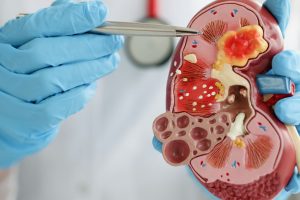
Does Fructose Cause Kidney Stones?
The authors of this study analyzed a previously published randomized controlled trial that included 33 healthy male adults (40-65 years of age) who ingested 200 g of fructose daily for two weeks. Fructose consumption was associated with a significant increase in serum uric acid, a significant decrease in urinary pH, a significant increase in 24-hour urinary oxalate excretion, and a significant decrease in 24-hour urinary magnesium excretion. Each of these changes would be expected to increase the risk of developing calcium oxalate kidney stones, and the higher uric acid excretion would be expected to increase the risk of uric acid stones.
Comment: Previous observational studies found that increasing fructose consumption is associated with an increased risk of developing kidney stones. The results of the present study suggest mechanisms by which fructose could increase kidney stone risk. Other dietary factors that may promote kidney stone formation include excessive consumption of sucrose, salt, or foods with a high oxalate content.
Johnson RJ, et al. Fructose increases risk for kidney stones: potential role in metabolic syndrome and heat stress. BMC Nephrol. 2018;19:315.
-
References
. Zendedel A, et al. Effects of vitamin D intake on FEV1 and COPD exacerbation: a randomized clinical trial study. Glob J Health Sci. 2015;7:243-248.↩︎
-
. Wegmann R, et al. [Effects of anthocyanosides on photoreceptors. Cytoenzymatic aspects]. [Article in French]. Ann Histochim. 1969;14:237-256.↩︎
-
. Pautler EL, et al. A pharmacologically potent natural product in the bovine retina. Exp Eye Res. 1986;42:285-288.↩︎
-
. Kook D, et al. The protective effect of quercetin against oxidative stress in the human RPE in vitro. Invest Ophthalmol Vis Sci. 2008;49:1712-1720.↩︎
-
. Todisco T, et al. Effect of N-acetylcysteine in subjects with slow pulmonary mucociliary clearance. Eur J Respir Dis. 1985;66(Suppl 139):136-141.↩︎
-
. Ziment I. Acetylcysteine: a drug with an interesting past and a fascinating future. Respiration. 1986;50(Suppl 1):26-30.↩︎







0 Comments