
Lyme and Lyme-Like Disease: The New Epidemic
by Tracie Leonhardt, DO
According to the CDC, there are approximately 300,000 cases of Lyme disease documented with 30,000 new cases reported each year. Those statistics are likely conservative, as many physicians have not tested for Lyme in the past, and testing results have not been totally reliable. Lyme borreliosis has a worldwide distribution and is the most common vector-borne disease is the US, according to the CDC. The CDC has now upgraded Lyme disease to official epidemic status in the US.
Lyme is caused by the Borrelia burgdorferi spirochete. The spirochete’s life cycle begins when larval-stage ticks are transmitted via the bite of an infected Ixodes tick. These larvae then mature into nymphs, which are about the size of the a pin head. These ticks feed upon small mammals such as white-footed field mice, catbirds, squirrels, and opossums. Whereas infection in these
natural hosts does not lead to disease, infection of humans can result in Lyme disease.
In January 2016, it was reported by Harvard University that Lyme disease carrying ticks are now in half of all US counties.1 There are more than 20 species worldwide of Borrelia, with 7 identified species described in the US. The species so far identified in the US are B. burgdorferi (Bb), B. americana, B. andersonii, B. bissettii, B. californiensis, B. kurtenbachii, and most recently B. mayonii in the Midwest.2 Of these, at least 5 have been associated with Lyme disease in the US: Bb sensu stricto, B. americana, B. andersonii, B. bissettii, and B. mayonii. The additional frustration of proper diagnosis and coinfections arise, as very few ticks are carrying only one infectious vector. In addition to transmitting Bb into various animal hosts, the well-known black-legged tick (Ixodes scapularis) can also transmit strains of other infections such as Anaplasma, Bartonella, Ehrlichia, and Babesia. For example, Ixodes scapularis not only can carry the Lyme spirochete, but may also be carrying anaplasmosis, babesiosis and Powassan disease.3 This makes diagnosis and identification much more difficult. According to the US Department of Health and Human Services, the black-legged tick, lone star tick, brown dog tick, groundhog tick, Gulf Coast tick, Rocky Mountain wood tick, soft tick, western black-legged tick, and American dog tick can carry tick-borne infections.
Dr. Richard Horowitz stopped calling this phenomenon Lyme disease and named it multiple systemic infectious disease syndrome (MSIDS).4 This seems to fit the diagnosis much better, as very few chronic Lyme patients only have Lyme disease. These infections attack the immune system, stimulate an inflammatory cascade, and can attack multiple systems in the body, including the skin, brain, nervous tissue, and heart.

US Map of Lyme via CDC
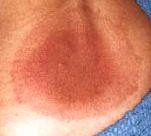
Erythema Migrans
Lyme, the Infection
In 1988, Asbrink and Hovmark conceived of untreated Lyme disease as having three phases. Phase 1 represented early, localized infection, the hallmark of which was erythema migrans (EM) and its variations. This phase included fever, muscle aches, headache, nausea and fatigue. Phase 2 witnessed early dissemination of the infection with worsening of malaise and fatigue, as well as the appearance of new cardiac and arthritic signs and symptoms including AV heart block, myocarditis, migratory joint pains, and synovitis. Phase 3 saw late dissemination, with the appearance of polyneuropathy, neurocognitive and neuropsychiatric abnormalities, and meningitis, as well as chronic arthritis and debilitating fatigue.5
Lyme and the Inflammatory Pathways
Inflammation is the body’s attempt at self-protection. Its goal is to remove harmful stimuli, including damaged cells, irritants, or pathogens so that the body can begin the healing process. Lyme and its coinfections incite a hyperresponse of cytokine formation.
Cytokines are proteins made of various types of white blood cells with their function being to make antibodies work more effectively, increase WBC activity, recruit other WBCs to the site of infection, and decrease viral and bacterial replication. Cytokines are produced when infection, oxidizing agents, cytokines, toxins, and other agents stimulate immune cells. Once the immune cells are stimulated, NF-KB causes genetic programming for the production of cytokines and the activation of the leukocytes. With Lyme and other related infections, there is an overproduction of cytokines, inducing an excessive inflammatory response that leads to chronic inflammation. This may manifest itself as a suppressed immune system, pain, reduced hormonal production from the thyroid and adrenal glands, sleep disturbances, cognitive decline, fatigue, myalgias, and depression.6
The dysregulation of cytokines and chemokines is a central feature in the development of neuroinflammation, neurodegeneration, and demyelination in both the central and peripheral nervous systems. This process can lead to activation of the microglia, which may mediate neuronal, and glial cell injury and death through the production of the pro-inflammatory factors such as cytokines.
About 15% of the patients with Lyme disease develop peripheral and central nervous system symptoms and involvement. Research indicates that the activation of the inflammatory pathways plays a causal role in the often debilitating and painful symptoms.7
Lyme or Lyme-like diseases can cause arthritis, carditis, and neurologic deficits. When the nervous system is involved, it is called Lyme neuroborreliosis (LNB).8 Microglia and astrocytes are key players in the immune responses within the central nervous system. Studies have shown that microglia and astrocytes express toll-like receptors that play a major role in innate immune responses against microbial pathogens.9 Peripheral nervous system involvement can include facial nerve palsy (Bell’s palsy), neurogenic pain radiating along the back into the legs and feet, limb pain, sensory loss, or muscle weakness. Central nervous system involvement may manifest as headache, fatigue, memory loss, learning disability, depression, meningitis, and encephalopathy. Significantly elevated levels of the inflammatory mediators interleukin-6 (IL-6), IL-8, CCL2, and CXCL13 were found as well as increased cell counts of white blood cells in the cerebral spinal fluid.10
Chemokines such as IL-8 and CCL2 are known to mediate the influx of immune cells in the central nervous system in the presence of bacterial meningitis. CXCL12 is known to be the major determinant of B cell recruitment into CSF during neuroinflammation.11 In animal models, upon examination of the dorsal root ganglia, the ganglia showed inflammation with neurodegeneration, along with apoptosis of neuronal and satellite glial cells. Lyme, as a pathogen, also activates the coagulation system by directly turning on the clotting cascade to increase the formation of fibrin leading to hypoxia. This is why the fibrinogen levels may increase in Lyme patients. This process of the activated coagulation pathway is stimulated by the inflammatory cytokines. Some of the pathogens that will activate the inflammatory and coagulation pathway are HHV6, EBV, CMV, Mycoplasma, HS1 and HS2, Chlamydia, Brucellosis, Babesia, Ehrlichia, Bartonella, and Borrelia, many of which are coinfections of Lyme disease. This becomes important when talking about the difficulty in treating these infections and their resistance against treatment. Many bacteria and viruses use fibrin to form protective barriers around themselves, referred to as biofilms or cyst formation. The layer of fibrin covering the microbe makes it almost undetectable by the immune system.12
Biofilms and the Difficulty in Treatment
A biofilm is an accumulation of microbial cells that is irreversibly associated with a surface and enclosed in a matrix of primarily polysaccharide material.13 I usually describe this to my patients as like the goo that is left over after pulling up duct tape. Biofilms are the predominant phenotypes in natural and pathogenic ecosystems. As a pathogenic mechanism, they serve as a population-level virulence factor to provide the infectious organism with virulence traits that a single organism cannot possess. These traits are protective to the invading organism and allow them to persist in the host despite the innate and adaptive immune systems. Biofilms usually are associated with chronicity or persistence – as opposed to acute virulence traits such as toxin production. Most chronic infectious disease processes are associated with biofilm production. The biofilm allows for the infection to attach to the host. The biofilm protects the organism from the host’s adaptive immune response, along with being attacked by phagocytes. Biofilms also provide an ideal setting for elevated levels of gene transfer for the invading organism. The gene transfers occur since nearly all of the chronic pathogens that form biofilms contain inducible-energy that require horizontal gene transfer mechanisms that serve a nonnutritive role, as opposed to using the DNA only as a food source. Horizontal gene transfer (HGT) is defined as the movement of genes between two unrelated cells usually in a unidirectional manner.14 This allows bacteria to transmit genes vertically to daughter cells, or by HGT. Three forms of HGT have been classified: transformation, conjugation, and transduction.
Diagnosis of Lyme Disease
There is a lot of controversy on how to diagnose Lyme. The testing methods available are less than ideal, with low sensitivity levels. The standard of care has a two tier serological testing. First tier screening is performed by an ELISA, which should be performed in all suspected patients who believe that they had a possible exposure 3 to 4 weeks prior. This is when Lyme-specific IGM serology is also detectable, followed months later by a Lyme-specific IGG response. The ELISA test has a low sensitivity, and therefore many physicians will check western blot. A study published in the British Medical Journal found that the overall sensitivity of the combined ELISA/western blot was only 56%.15 The issues with western blot do occur with the strain that the lab uses, as there are multiple strains of Borrelia present in the US and over 300 strains worldwide. Borrelia-specific bands reflect outer surface proteins on the surface of the organism that are seen more often in Lyme disease than in other infections. These bands include 23kDa (outer surface protein C – OspC), 31kDa (OspA), 34kDa (OspB), 39kDa, and 83-93kDa. It is thought that if any of these bands are present on western blot, there is a high likelihood that the patient may have been exposed to Lyme. The most commonly used strain for testing is the B31 strain; however, some think that the 297 strain is more reliable. There is also PCR (polymerase chain reaction) testing, a DNA test with the limitation that it may require multiple samples over time.16,17 Most believe that Lyme is a clinical diagnosis, and that lab results serve to support the clinical diagnosis. There are the supporting tests such as complement 3A and 4A levels, and CD 57 counts. Complement split products are reportedly elevated in patients with acute Lyme disease. A study by Ray Stricker showed that patients with predominantly musculoskeletal symptoms of Lyme disease had significantly increased levels of C4a compared with controls. The study also showed that response to treatment with antibiotics was associated with a significant reduction in C4a levels. 18 Another study showed that patients with chronic Lyme disease had decreased levels of CD 57 lymphocytes over 10 years. This study concluded that chronic Lyme disease is associated with a persistent immunologic defect that prevents the infection from being cleared by the immune system.19 CD 57 is a marker of nature killer cell differentiation and has been most widely explored as a marker of replicative senescence on T cells.20 CD 57 is still not fully known and is not recommended for use by the CDC; however, many physicians who treat Lyme every day use the CD 57 count to monitor treatment. On the horizon in phase II trials is nanotrap technology. This will have a high sensitivity of over 90% and specificity. This test employs nanotrap particles to concentrate urinary OspA and use a high specific anti-OspA monoclonal antibody as a detector of the C-terminus peptides.21
Treatment Options for Lyme
There are a lot of theories of how to treat Lyme disease. Everyone agrees that for the acute case, treat with antibiotics for 2 to 4 weeks. But for chronic Lyme there is a lot of disagreement. Accepted therapy is long-term antibiotics, but do you use one or three to four? Do you use an intracellular antibiotic, a cyst buster, or an outer membrane antibiotic? The International Lyme and Associated Diseases Society (ILADS) recommends antibiotic therapy – although some physicians are advocating higher doses and combination therapies. It is recommended to start prophylaxis treatment for a black-legged tick bite. Treatment options for an EM rash include 20 days of azithromycin, cefuroxime, doxycycline or amoxicillin. Long-term treatment is sometimes required for patients with chronic Lyme. It is thought that Lyme spirochetes can penetrate into the bone marrow and this is one of the factors that make it difficult to kill.22 A study done by Dr. Christa Muller-Sieberg found that some stem cells lived as little as 5 months and others lived longer than 3 years. If this is true and Lyme can penetrate stem cells, this may account for some of the relapses with shorter treatment.
Below is a table of antibiotic treatment options.
Cell Wall Form |
Cystic Forms |
Intracellular Location |
|
Penicillins
|
Plaquenil |
Macrolides
|
|
Cephalosporins
|
GSE |
Quinolones
|
|
IV Cephalosporins
|
Flagyl Tindamax |
Rifampin Tetracyclines
|
|
Other IV Medication
|
Other IV medication
|
Alternative Therapies for Lyme
Many patients are against prolonged antibiotic usage – so what are their alternatives? There are several immune-supportive herbal medications such as cordyceps and reishi – although these are not curative. Byron White has several preparations for Lyme and the coinfections. These are herbal tinctures that are very potent and need to be used with a trained practitioner and in small doses. Ozone therapy has been shown to be beneficial, as it increases the immune response. Ozone has also been shown to kill bacteria and virus on contact, and it prevents viruses from adhering to the cell wall.
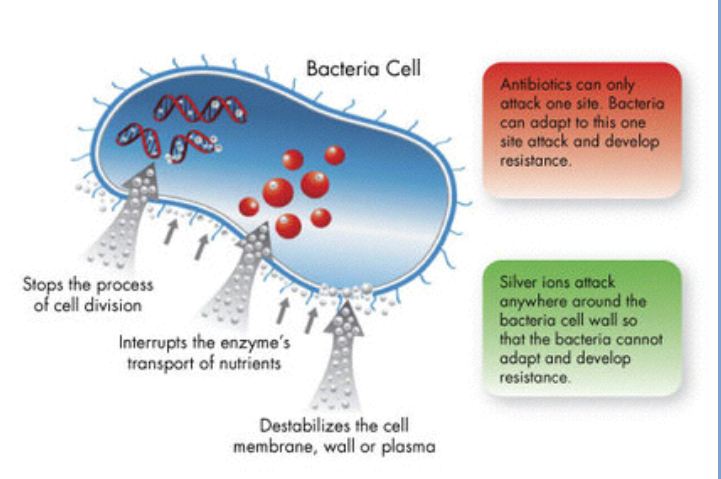
The most effective alternative treatment that we have found is IV silver hydrosol with Argentyn 23. Silver is well known to be a broad-spectrum antimicrobial agent, but it has also been reported that it has antiviral, anti-inflammatory, and antibiofilm activities and enhances wound healing.23 Some studies suggest that the particle size, shape, surface charge, surface coating, solution chemistry, and solubility affect silver’s toxicity.24 Silver is considered virostatic – stopping the replication of the virus on contact.25 Silver is processed by the liver, and the cofactor in the liver for silver elimination is selenium dependent. Therefore, it is suggested to make sure the patient is taking selenium while taking silver.26 When using silver, we usually start with oral doses to clear the spirochete and the stealth form (L-form). We use only 23 ppm silver hydrosol as an IV drip at a slow rate. In our practice, using silver in high doses has been very effective in not only having our patients symptom free but also their labs indicating that they are infection free. Our longest-term patient thus far has been symptom free for 4 years.
Notes
1. Asher C. Silver hydrosol mechanism of action. Lyme disease- carrying ticks are now in half of all US counties. Health. 2016.
2. Wilhelmsson P, Lindgren PE. Detection of a novel Lyme borreliosis pathogen. Lancet Infect Dis. May 2016;16(5):511–512.
3. Geographic distribution of ticks that bite humans [Web page]. CDC. http://www.cdc.gov/ticks/geographic_distribution.html. Last updated June 15, 2015.
4. Horowitz R. Why Can’t I Get Better? Solving the Mystery of Lyme and Chronic Disease. St Martin’s Press; 2013.
5. Asbrink E, Hovmark A. Early and late cutaneous manifestations of Ixodes-borne borreliosis. Ann NY Acad Sci. 1988;539:4–15.
6. Ross M, Brooke T. Treat Lyme and Associated Diseases [online book]. 2014. http://www.treatlyme.net/treat-lyme-book-home.
7. Increasing evidence points to inflammation as source of nervous system manifestations of Lyme disease [online release]. Elsevier. April 16, 2015.
8. Younger D. Human Lyme Neuroborreliosis. Nova Biomedical; 2015.
9. Bernardino A et al. Toll-like receptors: insights into their possible role in the pathogenesis of Lyme neuroborreliosis. Infect Immun. October, 2008:4385–4395.
10. Horowitz, op. cit.
11. Ramesh G et al. The Lyme disease spirochete Borrelia Burgdorferi induces inflammation and apoptosis in cells from dorsal root ganglia. J Neuroinflamm. 2013;10:88.
12. Levi M, Poll T, Schultz M. Systemic versus localized coagulation activation contributing to organ failure in critically ill patients. Semin Immunopathol. 2012;34:167–179.
13. Donlan R. Biofilms: microbial life on surfaces. Emerg Infect Dis. 2002;8(9).
14. Ehrlich G et al. The distributed genome hypothesis as a rubric for understanding evolution in situ during chronic bacterial biofilm infectious processes. Immunol Med Microb. 2010 Aug; 59(3):269–279.
15. Stricker R, Johnson L. Lyme wars: Let’s tackle the testing. Br Med J. Nov. 17, 2007;335(7638):1008.
16. Martino S. Role of biological assays in the diagnosis of Lyme borreliosis presentations. What are the techniques and which are currently available? Med Mal Infect. 2007;37(7–8):496–506.
17. Cerar T et al. Comparison of PCR methods and culture for the detection of Borrelia in patients with erythema migrans. Clin Microbial Infect. 2008;14:653–658.
18. Stricker R, Motanya N, et al. Complement split products C3a and C4a in chronic Lyme disease. J Immunol. 2009;69:64–69.
19. Stricker R, Burrascano J. Long-term decreases in the CD57 lymphocyte subset in a patient with chronic Lyme disease. Ann Agric Environ Med. 2002;9(1)111–113.
20. Nielson C, White M, et al. Functional significance of CD 57 expression on human NK cells and relevance to disease. Front Immunol. Dec 2013;4:422.
21. Magni R, Espina B. Application of Nanotrap technology for high sensitivity measurement of urinary outer surface protein . A carobyl-terminus domain in early stage Lyme borreliosis. J Transl Med. 2015;13:346.
22. Kvasnicka HM. Bone marrow manifestation of Lyme disease. Br J Haematol. 2003 Mar;120(5):723.
23. Huang H, Lai W, et al. An evaluation of blood compatibility of silver nanoparticles. Sci Rep. 6.
24. Zong-ming Xiu, Zhang Q, et al. Negligible particle-specific antibacterial activity of silver. Nano Lett. 2012;12:4271–4275.
25. Rentz EJ. Viral pathogens and severe acute respiratory syndrome: oligodynamic Ag+ for direct intervention. J Nutr Environ Med. June 2003;13(2):109–118.
26. Rentz E. Persistent or chronic Lyme disease protocol with silver hydrosol as an adjunct [white paper]. May 15, 2008.








0 Comments