
Targeting Galectin-3: A New Paradigm in Integrative Medicine
by Isaac Eliaz, MD, MS, LAc
Metastatic cancer, chronic inflammation, organ and tissue remodeling, and fibrosis: extensive published research reveals that these malignant conditions share an aggressive biological culprit: excess galectin-3. At elevated levels, this naturally occurring protein in the body is shown to play a critical role in the advancement of cancer and diseases related to inflammation and fibrosis, earning the title “rogue molecule” by researchers studying its numerous detrimental effects.
Data collected from this rapidly expanding field demonstrate galectin-3 to be an active diagnostic biomarker and novel therapeutic target, of critical value in the assessment and treatment of cancer and other life-threatening or debilitating chronic conditions. Findings continue to emphasize the role of galectin-3 in numerous degenerative processes within the body, most notably in cancer proliferation/metastasis, heart failure, chronic inflammation, progressive fibrosis, and related organ failure.
Elevated Galectin-3 Conditions
A simple galectin-3 serum assay was approved by the Food and Drug Administration (FDA) in 2011, to measure risk and prognosis of congestive heart failure. This blood test is now widely available through major laboratories and hospitals, serving an additional role as a diagnostic and prognostic tool in cancer and inflammatory/fibrosis related conditions. As the research continues to expand, epidemiology experts anticipate that a new classification of “Elevated Galectin-3 Conditions,” will soon be established within diagnostics, to categorize cancer, congestive heart failure, diabetes, hepatitis, kidney disease, ulcerative colitis, and others as sharing a common active biomarker.
Galectin-3 is a beta-galactoside binding protein shown to be involved in a number of biological processes. Normally found throughout the body in small amounts, it can be expressed in the nucleus, cytoplasm, mitochondrion, cell surface, and extracellular space. It also circulates freely in the blood stream. When elevated beyond the normal range, however, galectin-3 is shown to trigger and advance numerous critical disease processes.
High levels of galectin-3 found circulating in the blood are now linked to significant increases in risk of heart attack, cancer metastasis, and mortality. In August 2011, a 10-year galectin-3 all-cause mortality study involving 8000 people was presented at the European Society of Cardiology Congress (ESC). This large-scale population study demonstrated that elevated serum galectin-3 increased all-cause mortality 3-fold in the general population.1 Overall mortality was close to 15% in the highest quintile compared with less than 5% in the lowest quintile.
With hundreds of published studies over the last two decades and a significant spike in research over the last few years, galectin-3 heralds one of the fastest-growing fields in medicine today. The compendium of data evolves week by week, clarifying and expanding the implications of excess galectin-3 as a biological culprit responsible for some of our most critical features of aging and disease. Studies are being funded by major medical institutes to investigate galectin-3 and modified citrus pectin (MCP) – a proven natural galectin-3 inhibitor – in numerous chronic conditions. The FDA is expanding the application of the galectin-3 assay to measure not only risk and prognosis of congestive heart failure, but also possibly metastatic cancer, type II diabetes mellitus, cardiovascular disease, organ fibrosis including hepatitis C, rheumatoid arthritis, and other conditions now associated with elevated galectin-3.
The Role of Galectin-3 in Chronic Disease Processes
The best-established role of galectin-3 is in the formation, proliferation, and metastasis of cancer.2–4 Galectin-3 is found to be overexpressed on the surface of cancer cells, acting as a “sticky” molecule that allows cancer cells to aggregate, as well as disseminate throughout the circulatory system. It serves as an important mechanism by which cancers grow, proliferate and metastasize, and is directly involved in the process of angiogenesis.
The role of galectin-3 in the advancement of metastatic cancer has been well documented. As an integrative physician and galectin-3 and modified citrus pectin researcher, I have been addressing galectin-3 in the prevention and treatment of cancer for almost 20 years, using modified citrus pectin. I discovered that targeting galectin-3 offered additional health benefits across a wide range of conditions. Over the last several years, breakthrough research has confirmed that galectin-3 is indeed directly involved in other disease processes, predominantly in chronic inflammation and fibrosis.
Galectin-3 in Chronic Inflammation and Fibrosis
Galectin-3 plays a central role in the promotion of fibrosis, as it functions to activate fibroblasts – the cells responsible for fibrogenesis/fibrosis. At an injury/inflammation site, galectin-3 is secreted into the extracellular space. This, in turn, activates resting fibroblasts into matrix-producing fibroblasts, characterized by the increased expression of certain proteins within and around the fibroblasts. This mechanism of action has been demonstrated in published studies on numerous organs and systems, including cardiac, hepatic, renal, musculoskeletal, gastrointestinal, and more.
Specifically, excess galectin-3 is found to be involved in a range of processes associated with heart failure, including myofibroblast proliferation, inflammation and fibrogenesis, tissue repair, and ventricular and tissue remodeling. Elevated levels of galectin-3 in the blood have been found to be significantly associated with higher risk of death in acute decompensated heart failure as well as chronic heart failure populations.5–9
FDA Approved Galectin-3 Serum Assay
In 2011, the FDA approved the galectin-3 serum assay to help assess chronic heart failure risk and prognosis. FDA approval for the expanded application of this blood test in assessing other conditions such as cancer and diabetes is currently in process.
In life-threatening conditions such as cancer, where early detection is critical to successful outcome, this inexpensive assay serves as a valuable tool for measuring risk as well as prognosis. Practitioners can use the galectin-3 assay to gain a deeper insight into the risk and progression of metastatic cancer, cirrhosis of the liver, kidney fibrosis, and other inflammation/fibrosis related conditions. See Figure 1A outlining the reference ranges for normal and elevated serum galectin-3 in relation to disease risk.
Figure 1 A: Reference Ranges for Galectin-3 Serum Levels
It’s important to recognize that while the mortality risk for patients with advanced progressive congestive heart failure increases significantly with galectin-3 levels over 17.8 ng/ml, in the general population, any levels above 14 ng/ml already impose a significant increase in overall long term mortality risk. Approximately 20% of individuals have changes in their circulating galectin-3 levels every 3 months that are associated with important changes in risk.
Targeting Galectin-3 with Modified Citrus Pectin
It has been clearly demonstrated in this body of research that controlling excess galectin-3 can offer significant benefits to tissues and organs, and help prevent the advancement of serious life-threatening diseases. According to the scientific literature, this therapeutic approach can be achieved through the administration of MCP.10–13 This natural compound is therapeutically significant as the only proven natural inhibitor of galectin-3, helping to control cancer development and metastasis, and reducing inflammation and fibrosis throughout the body (See Figure 2A for recommended dosages and corresponding conditions). Pharmaceutical companies are also currently testing a number of synthetic galectin-3 inhibitors.
Figure 2 A: Modified Citrus Pectin (MCP) Dosages per Condition and Corresponding Galectin-3 Serum Levels
Note: MCP should always be taken in 2 to 3 divided dosages throughout the day at least 15 to 30 minutes before eating or 1 to 2 hours after eating.
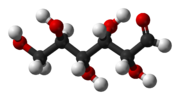
MCP is an advanced form of citrus pectin that has been modified to a specific molecular weight and structure which allows it to absorb into the circulation. This unique structure also gives MCP its specific therapeutic properties, demonstrated through numerous published studies. It is a complex polysaccharide fiber of repeating galacturonic acid groups with neutral sugar side chains, modified using a specific enzymatic process to a molecular weight of 3 to 15 kiloDaltons, a degree of esterification under 10%, and a specific structure. MCP easily enters the circulation and targets galectin-3 molecules throughout the body, in addition to offering a number of other documented health benefits.
Mechanism of Action
MCP is the only natural galectin-3 inhibitor demonstrated in published research to control the expression of galectin-3 through the natural galectin-binding affinity of its specific molecular structure. MCP is rich in beta-galactose, giving it the mechanism to attach to the beta-galactoside binding protein galectin-3, thus binding and blocking galectin-3’s harmful effects. MCP affects critical rate-limiting steps in the metastatic process by inhibiting galectin-3 and galectin-3 mediated (i.e., beta-galactoside-mediated) interactions. Due to its antiadhesive, apoptosis-promoting, and apoptosis-inducing properties, MCP can target multiple critical rate-limiting steps involved in cancer and metastasis.12–19
In addition, by inhibiting galectin-3’s antiapoptotic function and enhancing apoptosis induced by cytotoxic drugs, MCP holds the potential to dramatically increase the efficacy of conventional chemotherapy, as well as natural and botanical compounds. These synergistic effects have been demonstrated in multiple peer-reviewed studies.20,21
MCP has become one of the most well-researched natural compounds, with numerous preclinical and clinical studies demonstrating it to be a powerful adjunct in the treatment of metastatic cancer, fibrosis-related illnesses, and other conditions. As published data continue to expand the implications of elevated galectin-3 in numerous disease processes, the application of MCP therapy will likewise expand. And because MCP has also been proved through published studies to offer additional health benefits such as significant immune enhancement, safe heavy metal chelation, and synergy with chemotherapy and botanicals, MCP is rapidly earning esteem as a versatile and important dietary supplement for protecting long term health.20–24
Galectin-3 Research Highlights
Metastatic Cancer
As mentioned, the activity of galectin-3 in aggravating or promoting cancer, as well as the ability of a cancer to metastasize, is widely supported in the scientific literature. Research findings repeatedly stress the importance of binding and neutralizing the circulating concentration of galectin-3.3,25 Similar reports link acceleration of cancer formation and metastasis to circulating galectin-3 concentrations, and suggest that blocking galectin-3 can have a therapeutic effect in cancer.4,26 Inhibition of galectin-3 is proven to slow the course of prostate cancer.27
Cardiovascular disease
Studies indicate that controlling circulating galectin-3 plays an important role in remediating cardiac injury and progression to heart failure (HF).28 Cardiac fibrosis is gaining significant attention as a complicating risk factor in cardiac disease and, in particular, chronic heart failure (CHF).5 Similarly, it has been demonstrated that reduction in galectin-3 levels in the myocardium reduces fibrosis in the heart and improves clinical outcome.8 Several studies identify galectin-3 as a key indicator in cardiac health and key agent in heart failure and fibrosis.7,9 An increase in galectin-3 expression and presence has been linked to heightened fibrosis, inflammation, and heart failure.6 Inflammation is the hallmark of arteriosclerosis, and galectin-3 levels also contribute to coronary artery disease, peripheral artery disease, and strokes.
Diabetes and Metabolic Syndrome
Controlling circulating galectin-3 levels is also indicated in reducing inflammation associated with type 2 diabetics, and similar metabolic diseases.29 Related research has demonstrated that reduction in galectin-3 levels slows the breakdown of the inner blood-retinal barrier (iBRB) that typically occurs early in diabetes. Galectin-3 deficient mice demonstrated a significant reduction in diabetes-mediated iBRB when compared with mice with normal galectin-3 levels. In addition, reduction in galectin-3 is associated with reduced insulin resistance.
Rheumatoid Arthritis
A model of arthritis may be induced in mice by immunization with methylated bovine serum albumin. This model mimics arthritis and the inflammation associated with it. Inflammation was shown to be markedly reduced, together with a reduction in bone erosion, in mice with reduced galectin-3 levels. The reduction in arthritis was also accompanied by decreased levels of pro-inflammatory cytokines. Exogenously added glaectin-3 restored the level of arthritis in galectin-3 deficient mice to wild-type levels.30 Reduction in galectin-3 levels as a means of addressing arthritis and related inflammation was also shown in rats where an artificial reduction in galectin-3 levels via genetic modification, substantially suppressed arthritis indices.25 Galectin-3 has been demonstrated in rheumatoid arthritis patients to advance the transformation of synovial fluid into fibrotic tissue, in addition to activating osteoclasts, producing severe debilitation in patients.
Inflammatory Gastrointestinal Conditions
A reduction in galectin-3 activity can also be of value in treating wide variety of gastrointestinal conditions and gastric ulcerative conditions.31 Reducing galectin-3 can reduce inflammation in the gut mucosa, making galectin-3 an important therapeutic target for treatment of ulcerative colitis, nonspecific colitis and ileitis, Crohn’s disease, Celiac disease, and gluten sensitivity.32
Inflammation is a normal mammalian response to cellular stress in a wide variety of environments. In gastric ulcers, inflammation can often represent an imbalance in mucosal defense. Laboratory animals with induced gastric ulcers that experienced a 3-fold reduction in galectin-3 concentration exhibited improved protection against inflammation and gastric wall damage.31
Hepatic Diseases
Biliary atresia is associated with extensive fibrosis of the liver linked to elevated galectin-3 levels.33 Reduction of galectin-3 levels resulted in a general improvement in liver health, including reduced inflammation, hepatocyte injury and fibrosis. MCP as a galectin-3 antagonist may be used for prevention of liver fibrosis and liver cirrhosis, postdisease liver damage, including the various viral hepatitis diseases (B, C, and others), as well in the treatment of parasitic and chemical hepatitis, chemical liver damage, and others.34
Asthma
Mice with induced asthma were measured for galectin-3 concentrations. Mice with lower levels of galectin-3 exhibited fewer markers of the condition (fewer eosinophils and lower goblet metaplasia, less airway hyperresponsiveness, and a different Th1/Th2 response). 35 Administration of MCP is an effective means of reducing the concentration of galectin-3 to which cells, organs and systems sensitive to inflammation are exposed.
MCP Effective in Reducing Galectin-3 Kidney Injury
Kidney injury can be simulated in animal models with the use of folic acid. Folic–acid induced kidney-injury candidates were pretreated with either water or MCP for one week before injection of folic acid. The physical changes associated with the injury, including enlarged kidneys and weight loss, were reduced in the MCP group. In the recovery phase following folic acid injection, the MCP group demonstrated reduced galectin-3 levels and decreased kidney fibrosis, macrophages, pro-inflammatory cytokine expression, and apoptosis. MCP was shown to be effective in suppressing both inflammation and fibrosis relative to organ injury.36 This injury model is very similar to radiation-induced inflammation and fibrosis, and supports the critically important role of MCP during and after radiation therapy.
Conclusion
The direct, dependent link between galectin-3 and numerous acute and chronic disease states is what gives this molecule such important diagnostic and therapeutic implications, becoming widely accepted in the medical community. Unlike the “bystander” biomarker C-reactive protein (CRP), which only indicates the presence of inflammation, elevated circulating galectin-3 is recognized as an “active” or “culprit” biomarker. Thus, galectin-3 plays a dual role both as a diagnostic marker and an important therapeutic target.
As the body of research continues to expand, galectin-3 testing is expected to become an integral component of routine screening panels. A number of major laboratories offer galectin-3 testing, and with this simple assay, practitioners can gain more accurate insight into the risk, progression, and advancement of cancer and numerous life-threatening or degenerative diseases.
Conversely, we can observe our patients experiencing significant clinical improvements, through life style modifications and protocols that reduce chronic inflammation and malignant cellular growth. This includes the use of MCP to control galectin-3 expression throughout the body and support long-term health.
Notes
-
De Boer RA. Galectin-3 Levels & Mortality from All Causes in the General Population: PREVEND The Prevention of Renal and Vascular End-stage Disease (PREVEND) study results presented at the European Society of Cardiology (ESC) Congress (Aug) 2011, in Paris, France. Galectin-3, Cardiovascular Risk Factors and Outcome in the General Population.
-
Nangia-Makker P, Honjo Y, Sarvis R, et al. Galectin-3 induces endothelial cell morphogenesis and angiogenesis. Am J Pathol. 2000;156:899–909.
-
Yu LG, Andrews N, Zhao Q, et al. Galectin-3 interaction with Thomsen-Friedenreich disaccharide on cancer-associated MUC1 causes increased cancer cell endothelial adhesion. J Biol Chem. 2007;5;282(1):773–781.
-
Zhao Q, Guo X, Nash GB, et al. Circulating galectin-3 promotes metastasis by modifying MUC1 localization on cancer cell surface. Cancer Res. 2009;69;17:6799–806.
-
deFilippi , CR, Felker, GM. Galectin-3 in heart failure – linking fibrosis, remodeling, and progression. US Cardiology. 2010;7;1:3–6.
-
De Boer RA, Voors AA, Muntendam P, van Gilst WH, van Veldhuisen DJ. Galectin-3: a novel mediator of heart failure development and progression. Eur J Heart Fail. 2009;11:811–817.
-
De Boer RA, Lok DJ, Jaarsma T, et al. Predictive value of plasma galectin-3 levels in heart failure with reduced and preserved ejection fraction. Ann Med. 2011;43;1:60–68.
-
Psarras S, Mavroidis M, Sanoudou D, et al. Regulation of adverse remodelling by osteopontin in a genetic heart failure model. Eur Heart J. Epub 2011;20.
-
Shah RV, Chen-Tournoux AA, Picard MH, van Kimmenade RR, Januzzi JL. Galectin-3, cardiac structure and function, and long-term mortality in patients with acutely decompensated heart failure. Eur J Heart Fail. 2010;12;8:826–832.
-
Kidd P. A new approach to metastasis cancer prevention: modified citrus pectin (MCP), a unique pectin that blocks cell surface lectins. Altern Med Rev 1996;1:4–10.
-
Nangia-Makker P, Conklin J, Hogan V, Raz A. Carbohydrate-binding proteins in cancer, and their ligands as therapeutic agents. Trends Mol Med 2002;8:187–192.
-
Nangia-Makker P, Hogan V, Honjo Y, et al. Inhibition of human cancer cell growth and metastasis in nude mice by oral intake of modified citrus pectin. J Natl Cancer Ins 2002;94:1854–1862.
-
Olano-Martin E, Rimbach GH, Gibson GR, Rastall RA. Pectin and pecticoligosaccharides induce apoptosis in in vivo human colonic adenocarcinoma cells. Anticancer Res 2003;23:341–346.
-
Azemar M, Hildenbrand B, Haering B, Heim ME, Unger C. Clinical benefit in patients with advanced solid tumors treated with modified citrus pectin: a prospective pilot study. Clin Med: Oncol. 2007;1:73–80.
-
Glinsky VV, Raz A. Modified citrus pectin anti-metastatic properties: one bullet multiple targets. Carbohydr Res 2009;14:1788–1791.
-
Guess BW, Scholz MC, Strum SB, Lam RY, Johnson HJ, Jennrich RI. Modified citrus pectin (MCP) increases the prostate-specific antigen doubling time in men with prostate cancer: a phase II pilot study. Prostate Cancer Prostatic Dis 2003;6:301–304.
-
Liu HY, Huang ZL, Yang GH, Lu WQ, Yu NR. Inhibitory effect of modified citrus pectin on liver metastases in a mouse colon cancer model. World J Gastroenterol. 2008;14:7386–7391.
-
Pienta KJ, Naik H, Akhtar A, et al. Inhibition of spontaneous metastasis in a rat prostate cancer model by oral administration of modified citrus pectin. J Natl Cancer Inst 1995;87:348–353.
-
Yan J, Katz A. PectaSol-C modified citrus pectin induces apoptosis and inhibition of proliferation in human and mouse androgen-dependent and- independent prostate cancer cells. Integr Cancer Ther. 2010;9:197–203.
-
Najmeh T, Houri S, Parvin M, Firouzeh B, Arash HN, Abdolfattah S, Ebrahim H. Combination effect of PectaSol and Doxorubicin on viability, cell cycle arrest and apoptosis in DU-145 and LNCaP prostate cancer cell lines. Cell Biology Int. 2012:doi:10.1042/CBI20110309.
-
Jiang, J, Eliaz, I, Sliva, D. Synergistic and additive effects of modified citrus pectin with two polybotanical compounds, in the suppression of invasive behavior of human breast and prostate cancer cells. Int. Cancer Therapies.2012:doi:10.1177/1534735412442369.
-
Ramachandran C, Wilk BJ, Hotchkiss A, Chau H, Eliaz, I Melnick SJ. Activation of human T-helper/inducer cell, T-cytotoxic cell, B-cell, and natural killer (NK)-cells and induction of natural killer cell activity against K562 chronic myeloid leukemia cells with modified citrus pectin. BMC Comp Altern Med. 2011;11:59.
-
Eliaz I, Hotchkiss A, Fishman M, Rode D. The effect of modified citrus pectin on urinary excretion of toxic elements. Phytother Res 2006, 20:859–864.
-
Zhao ZY, Liang L, Fan X, Yu Z, Hotchkiss AT, Wilk BJ, et al. The role of modified citrus pectin as an effective chelator of lead in children hospitalized with toxic lead levels. Altern Ther Health Med 2008, 14:34–38.
-
Wang CR, Shiau AL, Chen SY, Cheng ZS, Li YT, Lee CH, et al. Intra-articular lentivirus-mediated delivery of galectin-3 shRNA and galectin-1 gene ameliorates collagen-induced arthritis. Gene Ther. 2010;17;10:1225–1233.
-
Zhao Q, Barclay M, Hilkens J, Guo X, Barrow H, Rhodes JM, et al. Interaction between circulating galectin-3 and cancer-associated MUC1 enhances tumour cell homotypic aggregation and prevents anoikis. Mol Cancer. 2010;18;9:154.
-
Wang Y, Nangia-Makker P, Tait L, et al. Regulation of prostate cancer progression by galectin-3. Am J Pathol. 2009;174;4:1515–1523.
-
Lok DJ, Van Der Meer P, de la Porte PW, Lipsic E, Van Wijngaarden J, Hillege HL, van Veldhuisen DJ. Prognostic value of galectin-3, a novel marker of fibrosis, in patients with chronic heart failure: data from the DEAL-HF study. Clin Res Cardiol. 2010 May;99(5):323–328.
-
Weigert J, Neumeier M, Wanninger J, et al. Serum galectin-3 is elevated in obesity and negatively correlates with glycosylated hemoglobin in type 2 diabetes. J Clin Endocrinol Metab. 2010;95;3:1404–1411.
-
Forsman H, Islander U, Andréasson E, et al. Galectin 3 aggravates joint inflammation and destruction in antigen-induced arthritis. Arthritis Rheum. 2011;63;2:445–454.
-
Srikanta BM, Sathisha UV, Dharmesh SM. Alterations of matrix metalloproteinases, gastric mucin and prostaglandin E(2) levels by pectic polysaccharide of swallow root (Decalepis hamiltonii) during ulcer healing. Biochimie. 2010;92;2:194–203.
-
Fowler M, Thomas RJ, Atherton J, Roberts IS, High NJ. Galectin-3 binds to Helicobacter pylori O-antigen: it is upregulated and rapidly secreted by gastric epithelial cells in response to H. pylori adhesion. Cell Microbiol. 2006;8;1:44–54.
-
Honsawek S, Chongsrisawat V, Praianantathavorn K, Theamboonlers A, Poovorawan Y. Elevation of serum galectin-3 and liver stiffness measured by transient elastography in biliary atresia. Eur J Pediatr Surg. 2011;21;4:250–254.
-
Iacobini C, Menini S, Ricci C, et al. Galectin-3 ablation protects mice from diet-induced NASH: a major scavenging role for galectin-3 in liver. J Hepatol. 201;54;5:975–983.
-
Zuberi RI, Hsu DK, Kalayci O, et al. Critical role for galectin-3 in airway inflammation and bronchial hyperresponsiveness in a murine model of asthma. Am J Pathol. 2004;165;6:2045–2053.
-
Kolatsi-Joannou M, Price KL, Winyard PJ, Long DA. Modified citrus pectin reduces galectin-3 expression and disease severity in experimental acute kidney injury. PLoS One. 2011;6;4:e18683.








0 Comments