
Many doctors and patients are not addressing a critical factor involved in aging, Alzheimer’s disease (AD), cancer, and heart health. That factor is low plasmalogen levels. Low or imbalanced levels of this special type of phospholipid may be the driving force behind age-related neurological problems such as AD and Parkinson’s disease. In addition, virtually all cancers studied exhibit low blood plasmalogens. Put quite simply: If you are not detecting and addressing a patient’s plasmalogen deficiency, you are leaving them open to a variety of health concerns. In this article, I will describe plasmalogens in detail and explain how and why they’re so important to our health. I’ll also address plasmalogen testing and the most effective way to raise levels of these important phospholipids.
What Are Plasmalogens?
Plasmalogens are phospholipids, lipids that contain a phosphate group. Plasmalogens are an important class of cellular lipids located in nearly all cellular membranes. They guard the cell against harmful agents such as excessive reactive oxygen species.1 Low levels of plasmalogens leave the cell and its membranes more vulnerable to damage.2
In the human body, plasmalogen ethanolamines (PlsEtn) are the main form of these phospholipids; and in the brain, more than half of the ethanolamine phospholipids are plasmalogens.3 The heart also contains high amounts of plasmalogens.4 In addition, these phospholipids are abundant in the retina, leukocytes (immune cells), sperm, and skeletal muscle in mammals.5 Plasmalogens are receptacles for oleic acid, arachidonic acid, and docosahexaenoic acid (DHA), all fatty acids that play important roles in health.4 Plasmalogens have anti-inflammatory actions and are powerful antioxidants.6
Low Plasmalogen Levels Equals Greater Probability of Dying
Unfortunately, plasmalogen levels fall as we grow older. Plasmalogen concentrations rise up to 30 or 40 years of age then drop dramatically by the time a person reaches 70 years.7 Data from the Rush University Memory and Aging Project shows that having lower plasmalogen levels increases the probability of dying.8 In fact, in this study, a 95-year-old who had high plasmalogen concentrations was as likely to die in five years as a 65-year-old with low plasmalogen levels. A 95-year-old person with high plasmalogen levels had a 70% chance of living to 100. Conversely, a person of the same age who had low plasmalogen concentrations had only a 20% chance of living to 100.
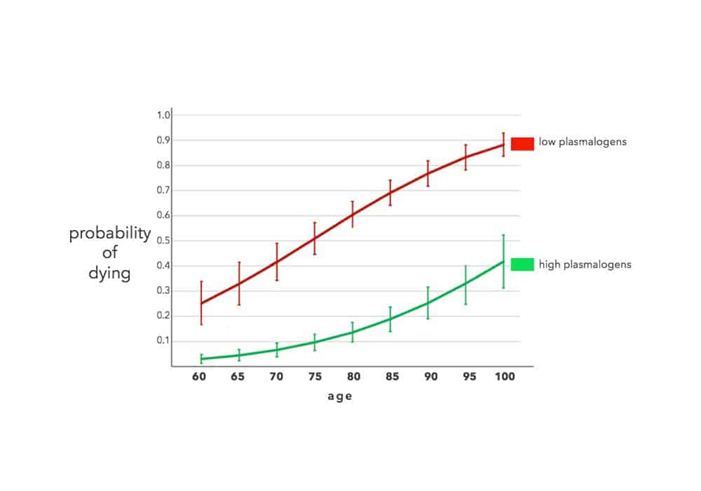
Figure 1. Probability of dying in 5.3 years
Data from the Rush University Memory and Aging Project. Final dataset: 1262 participants, participants deceased since last visit = 557. Average age at enrollment = 81. Low plasmalogens = 5th percentile +/- 95% CI. High plasmalogens = 95th percentile +/- 95% CI.
Data from the Rush University Memory and Aging Project showed that a 95-year-old with high plasmalogen levels had the same chance of dying in five years as a 65-year-old with low plasmalogen levels. A 95-year-old with high levels had an almost 70 percent chance of living to their 100th birthday whereas a person the same age with low plasmalogen levels had a less than 20 percent chance of living to their 100th birthday8
There’s only one place in the body where plasmalogens are made: in the peroxisomes,9 membrane-enclosed organelles that are similar to mitochondria in that they replicate by division.10 During aging, peroxisomal function declines.11 This, in turn, leads to less plasmalogen (PlsEtn) production and/or increased breakdown of plasmalogen, as well as less DHA-containing plasmalogen.12,13
Aging isn’t the only factor that reduces plasmalogen levels. Peroxisome activity, and therefore plasmalogen production, is reduced by exposure to environmental toxins.2 Neuroinflammation disorders such as autism and multiple sclerosis can cause local deficiencies and systemic plasmalogen imbalances .14,15 Furthermore, inflammation causes oxidative stress, which may exacerbate plasmalogen decline.16 This leads to a vicious cycle by triggering even more inflammation that weakens the anti-inflammatory and antioxidant defenses of brain tissues. Low plasmalogen levels are associated with a number of diseases (see table 1).
| Table 1: Health Concerns Associated with Plasmalogen Deficiency
• Aging • Alzheimer’s disease • Parkinson’s disease • Cancer • Coronary artery disease |
|---|
Plasmalogen Deficiency and Alzheimer’s
A lot of compelling evidence points to an association between low plasmalogen levels and Alzheimer’s disease. First, plasmalogens are depleted in the brains and blood of people with AD.3,17-19 In dementia patients, this decline starts years before the development of clinical symptoms.17 Furthermore, in patients with AD, levels of brain plasmalogen ethanolamines (PlsEtn) are lower compared to age-matched controls.3,19,20 This reduction in brain levels correlates with reduced serum concentrations.20
Further establishing the link between low plasmalogens and AD is the relationship between plasmalogen deficiency and dementia. Serum PlsEtn are associated with cognitive function in AD patients.21 Additional evidence found that low serum levels of PlsEtn that contain arachidonic acid or DHA were associated with increased severity of cognitive dysfunction.17
Another group of researchers studied the relationship between plasmalogen deficiency and dementia.22 They measured plasmalogen levels in cellular membranes of gray and white matter from brain regions of human subjects suffering from dementia of the Alzheimer’s type. At a very early stage of AD, there was a pronounced decline in plasmalogen concentrations in the white matter of the patients’ brains. In addition, the AD patients with the lowest gray matter plasmalogen levels had worse dementia. The participants who had mild dementia were only 10 mol% deficient. On the other hand, patients with severe dementia were 30 mol% deficient.
Finally, neurodegeneration of cholinergic neurons, the brain cells involved in cognition, is responsible for AD. These types of neurons are especially vulnerable to plasmalogen deficiency.23,24 Low plasmalogen levels impair membrane fusion activity. This type of activity is needed for neurotransmitter release and uptake. When depleted plasmalogen concentrations weaken membrane fusion activity, this in turn reduces neurotransmitter function and cognition suffers.23,24
Plasmalogen Deficiency Linked to Amyloid Beta Buildup
The accumulation of β-amyloid (Aβ) plaques is one of the hallmarks of AD.25 However, the buildup of these damaging plaques begins long before the diagnosis of AD. Although Aβ plaques become more common with age, they have been observed in healthy humans as young as 40 years old.17 Plasmalogens can block the formation of Aβ plaques.17 On the other hand, low serum PlsEtn levels are linked to the presence of Aβ plaques in the central nervous system (CNS).17 Additionally, in humans, serum PlsEtn levels begin to fall at the same time Aβ begins to accumulate.17
Low plasmalogen levels are involved in the deposition of Aβ plaques and are not just a consequence of AD.26 One group of researchers studied postmortem brains of humans who had AD.26 The scientists found that plasmalogens were linked to weakened activity of γ-secretase, an enzyme involved in the production of Aβ. This enzyme synthesizes Aβ by regulating the body’s processing of amyloid precursor protein (APP). Aβ lowers plasmalogen levels, leading to a rise in γ-secretase activity and synthesis of more Aβ plaques.
More support for the idea that plasmalogen deficiency is involved in Aβ plaque buildup has to do with the way the body metabolizes cholesterol. Higher membrane cholesterol levels result in the buildup of Aβ peptides by a process that involves amyloid precursor proteins.17 Most APP is processed in a harmless way using the α-secretase enzyme.17 However, APP is funneled into the β-secretase pathway, which results in the buildup of Aβ and possibly the development of AD.17 Membranes containing phospholipids like plasmalogens are storehouses for the harmless α-secretase. Conversely, β-secretase is contained in cholesterol-rich membranes.17 This indicates that plasmalogens can block Aβ accumulation by supporting levels of α-secretase rather than the more damaging β-secretase. Additionally, oxidative stress that leads to a drop in membrane plasmalogen levels also results in a rise in membrane cholesterol.17,27
APOE and Plasmalogens
Apolipoprotein E (APOE ) is the primary lipoprotein in the brain.28 The presence of the APOE epsilon 4 allele poses the most significant genetic risk factor for AD.29 However, it’s now becoming clear that high plasmalogen levels are needed to protect against increased risk of AD in persons carrying the APOE epsilon 4 allele. Dr. Dayan Goodenowe and his colleagues studied the possible connection between the APOE genotype and serum PlsEtn on cognition and dementia in 1,205 elderly individuals.30 The extent to which the APOE genotype impaired cognition and increased the prevalence of dementia depended upon the subjects’ plasmalogen levels. Independent of the APOE genotype, the probability of dementia neared zero when PlsEtn were higher. Participants who were older had a greater probability of dementia; but regardless of age, higher plasmalogen levels were linked to a near-zero probability of developing dementia. This indicates that higher PlsEtn concentrations are protective against dementia even in the presence of other risk factors.30
Parkinson’s Disease and Plasmalogens
Worldwide, Parkinson’s disease (PD) is the second most common neurodegenerative disorder.31 PD symptoms are caused by the degeneration of dopamine-producing neurons responsible for normal movement. Decreased brain and serum levels of ethanolamine plasmalogens occur in PD patients.32 This plasmalogen decline may leave dopaminergic neurons more vulnerable to neurotoxins shown to cause PD in animals.
In animal models of PD, a DHA-containing PlsEtn precursor (PPI-1011) prevented the decrease in PlsEtn levels and was neuroprotective and anti-inflammatory.31,32 This led a group of researchers to conclude that it has “potential utility as a treatment for both early and more advanced stages of PD.”31
The conventional therapy for PD is the drug L-3,4-dihydroxyphenylalanine (L-DOPA). However, after years of treatment, most patients taking this drug develop erratic movements (dyskinesias). In a study using monkeys, researchers found that plasmalogen supplementation together with L-DOPA reduced the number of dyskinesias caused by the drug.33
Plasmalogen’s Role in Autism and Multiple Sclerosis
With these two conditions, it’s not as simple as saying that plasmalogen levels are lower in these patients. In events leading up to MS and autism, mitochondrial insufficiency leads to fatty acids that are supposed to be metabolized by the mitochondria being metabolized by the peroxisome. This leads to higher omega-3 plasmalogens, elevated HDL, and higher triglycerides. However, the local need for omega-9 plasmalogens is much greater than the minor increase caused by the mitochondrial insufficiency.34 Supplementing with omega-9 plasmalogens ensures that the surrounding glial cells can rebuild the white matter in the healthy cells as fast as the inflammation damages it. This results in a dramatic increase in glial cell recovery rate, which in turn results in a healthy inflammatory response and the inhibition of inflammation-mediated white matter loss. Inflammation can be reduced and mitochondrial health supported by delivering and keeping in reserve excess plasmalogen-building material.
Plasmalogens play an important role in supporting the health of MS patients through their effect on myelin. MS occurs due to the neurodegeneration of myelin, which insulates neurons. In fact, the highest levels of plasmalogens in the body are found in myelin. The activation of immune cells that occurs during inflammation can wreak havoc on the myelin. When this happens, additional omega-9 plasmalogens are required to repair the cells before the myelin dies.35 Supplementing omega-9 plasmalogen concentrations stops demyelination by enhancing remyelination.36,37
In autism, low omega-9 plasmalogen levels are also directly linked to behavioral issues. In a mouse model of autism, plasmalogen deficiency resulted in a severe disturbance of neurotransmitter homeostasis and release as well as accompanying abnormal behavior, such as hyperactivity and poor social interaction.14
Cancer
A cancer diagnosis can often seem to appear out of the blue. However, certain biochemical signs that a patient is more likely to develop cancer are present years before the development of the disease. Elevated levels of the diamines putrescine and cadaverine—amines containing two amino groups—have been observed in a number of unhealthy tissues, including cervical, colon, endometrial, oral cavity squamous cell, ovarian, pancreatic, and prostate.38 At the same time, changes in plasmalogens and their fatty acid precursors occur in abnormal cells.38 In fact, plasmalogen deficiency is thought to lead to cancer development.38
A study published in Lipids in Health and Disease investigated the effects of augmentation with a specific type of plasmalogen on cellular levels of diamines in Chinese hamster ovary (CHO) cells and NRel-4 cells, a CHO cell line with impaired plasmalogen synthesis.38 The researchers found that plasmalogen supplementation reduced cellular diamine levels from both control and plasmalogen-deficient cells.
Plasmalogens and Heart Health
Clinically, a lipid profile is used to measure the risk of coronary artery disease (CAD). However, the conventional lipids measured in this profile—total cholesterol, low‐density lipoprotein (LDL)‐cholesterol, high‐density lipoprotein (HDL)‐cholesterol, and triglycerides—are not able to predict whether a person’s coronary episode will present as stable or acute.39 However, low plasmalogens are associated with the breaking off of coronary plaques from arteries.39 This can lead to blood clots that can result in a heart attack. Researchers have found that measuring levels of phospholipids such as plasmalogens was a superior means of distinguishing acute coronary syndrome from stable CAD compared with conventional clinical risk factors like cholesterol.39 Acute coronary syndrome refers to several conditions that can suddenly block blood flow to the heart, such as a heart attack. Plasmalogens were lower in the acute coronary syndrome group compared to the CAD group.
Evidence indicates plasmalogens protect against atherosclerosis plaque disruption and blood clots by reducing oxidation40 and reducing the death of cells lining the blood vessels (endothelial cells).41Plasmalogens also are involved in cholesterol metabolism, another way in which they may protect the heart.42
In a preclinical study, raising plasmalogen levels reduced atherosclerosis by up to 70% in mice.40
Plasmalogen Testing
In my clinical practice, I have always operated under the philosophy, “Test, don’t guess.” This is especially true in regards to plasmalogens. A new test (ProdromeScan Blood Test) can measure levels of ethanolamine plasmalogens and choline plasmalogens as well as other phospholipids and biochemical markers. The test pinpoints specific underlying biochemical deficiencies that can lead to Alzheimer’s, Parkinson’s, heart disease, cancer, multiple sclerosis and autism, as well as aging itself. This test can be used to map out a protocol for patients at risk of—or currently diagnosed with—these conditions.
Plasmalogen Supplementation
Because plasmalogens are degraded in the gut, it is not possible to consume enough of them through the diet alone. Much of the research on raising plasmalogen levels in animals was conducted using the PPI-1011 plasmalogen drug. Dr. Dayan Goodenowe designed and invented this drug when he discovered there was a patent protecting the use of natural plasmalogens for dementia. However, that patent recently expired. Consequently, he developed a plasmalogen supplement (ProdromeNeuro™) that possesses the same activity as the PPI-1011 drug. Dr. Goodenowe’s supplement survives the gut and bypasses peroxisomal production of plasmalogen so that even if peroxisomal activity is low, the body will continue to have access to this important phospholipid.
For age-related (AD, PD, cancer, heart disease) and neurological (bipolar, schizophrenia) diseases, it is critical to replenish plasmalogens with a supplement containing DHA at the 2-acyl position.43 This has a number of benefits including dose dependently reducing cellular cholesterol levels by boosting cholesterol clearance.43 In fact, this has been shown to be more effective at lowering cholesterol than statin-induced HMG-CoA inhibition.43 Additionally, phospholipid-linked DHA is preferable because it contains plentiful levels of plasmalogens.44 This promotes memory and cognition, whereas triglyceride-linked DHA is much less effective.44
In November 2019, Dr. Goodenowe’s synthetic, natural plasmalogen precursor was tested in humans for the first time.45 The study included six adults who experienced a 50% increase in blood plasmalogen concentrations 12 hours after receiving the plasmalogen precursor. The rise in plasmalogen lasted for 24 hours in all the subjects.
Other trials are being conducted to determine dosing, demonstrate tissue concentrations, and safety. In 2020, a clinical trial funded by the Alzheimer’s Association to investigate the use of Prodrome-Neuro™ Plasmalogen Oil began enrolling Alzheimer’s patients. Goodenowe hopes to ultimately include Parkinson’s disease and MS patients in the trial.
Conclusion
Plasmalogens are important phospholipids that decline with age. Low levels of plasmalogens are associated with an increased risk of dying. Furthermore, deficiency of these phospholipids is associated with Alzheimer’s disease, cancer, multiple sclerosis, autism, heart disease, and Parkinson’s. Testing for plasmalogen deficiency and replenishing plasmalogen levels can make a dramatic difference in a patient’s health and possibly even lead to a longer lifespan.
As functional medicine clinicians we are always reviewing the scientific literature for new insights and clues as to how to best support the innate functions of the body. To access the latest ongoing research and educational videos on plasmalogen, healthcare providers can register for updates at www.Prodrome.com/65.
References
1. Morand OH, Zoeller RA, Raetz CR. Disappearance of plasmalogens from membranes of animal cells subjected to photosensitized oxidation. J Biol Chem. 1988;263(23):11597-11606.
2. Terlecky SR, Koepke JI, Walton PA. Peroxisomes and aging. Biochim Biophys Acta. 2006;1763(12):1749-1754.
3. Farooqui AA, Rapoport SI, Horrocks LA. Membrane phospholipid alterations in Alzheimer’s disease: deficiency of ethanolamine plasmalogens. Neurochem Res. 1997;22(4):523-527.
4. Han X. Lipid alterations in the earliest clinically recognizable stage of Alzheimer’s disease: implication of the role of lipids in the pathogenesis of Alzheimer’s disease. Curr Alzheimer Res. 2005;2(1):65-77.
5. Mawatari S, et al. Improvement of Blood Plasmalogens and Clinical Symptoms in Parkinson’s Disease by Oral Administration of Ether Phospholipids: A Preliminary Report. Parkinsons Dis. 2020;2020:2671070.
6. Senanayake V, Goodenowe DB. Plasmalogen deficiency and neuropathology in Alzheimer’s disease: Causation or coincidence? Alzheimers Dement (N Y). 2019;5:524-532.
7. Rouser G, Yamamoto A. Curvilinear regression course of human brain lipid composition changes with age. Lipids. 1968;3(3):284-287.
8. Goodenowe D NM, Senanayake V. APOE Genotype, Serum Plasmalogens, Cognition and Mortality. Paper presented at: Alzheimer’s Association International Conference2016; Toronto, Canada.
9. Nagan N, Zoeller RA. Plasmalogens: biosynthesis and functions. Prog Lipid Res. 2001;40(3):199-229.
10. GM C. The Cell: A Molecular Approach. 2nd edition.: Sinauer Associates; 2000.
11. Munn NJ, et al. Deficiency in ethanolamine plasmalogen leads to altered cholesterol transport. J Lipid Res. 2003;44(1):182-192.
12. Zoeller RA, Raetz CR. Isolation of animal cell mutants deficient in plasmalogen biosynthesis and peroxisome assembly. Proc Natl Acad Sci U S A. 1986;83(14):5170-5174.
13. Wood PL KM, et al. Plasmalogen deficit: a new and testable hypothesis for the etiology of Alzheimer’s disease. . London, UK: InTech2011.
14. Dorninger F, et al. Ether Lipid Deficiency in Mice Produces a Complex Behavioral Phenotype Mimicking Aspects of Human Psychiatric Disorders. Int J Mol Sci. 2019;20(16).
15. Senanayake VK, et al. Metabolic dysfunctions in multiple sclerosis: implications as to causation, early detection, and treatment, a case control study. BMC Neurol. 2015;15:154.
16. Su XQ, Wang J, Sinclair AJ. Plasmalogens and Alzheimer’s disease: a review. Lipids Health Dis. 2019;18(1):100.
17. Goodenowe DB, et al. Peripheral ethanolamine plasmalogen deficiency: a logical causative factor in Alzheimer’s disease and dementia. J Lipid Res. 2007;48(11):2485-2498.
18. Wood PL, et al. Circulating plasmalogen levels and Alzheimer Disease Assessment Scale-Cognitive scores in Alzheimer patients. J Psychiatry Neurosci. 2010;35(1):59-62.
19. Ginsberg L, et al. Disease and anatomic specificity of ethanolamine plasmalogen deficiency in Alzheimer’s disease brain. Brain Res. 1995;698(1-2):223-226.
20. Guan Z, et al. Decrease and structural modifications of phosphatidylethanolamine plasmalogen in the brain with Alzheimer disease. J Neuropathol Exp Neurol. 1999;58(7):740-747.
21. Braverman NE, Moser AB. Functions of plasmalogen lipids in health and disease. Biochim Biophys Acta. 2012;1822(9):1442-1452.
22. Han X, Holtzman DM, McKeel DW, Jr. Plasmalogen deficiency in early Alzheimer’s disease subjects and in animal models: molecular characterization using electrospray ionization mass spectrometry. J Neurochem. 2001;77(4):1168-1180.
23. Wurtman RJ. Choline metabolism as a basis for the selective vulnerability of cholinergic neurons. Trends Neurosci. 1992;15(4):117-122.
24. Blusztajn JK, et al. Levels of phospholipid catabolic intermediates, glycerophosphocholine and glycerophosphoethanolamine, are elevated in brains of Alzheimer’s disease but not of Down’s syndrome patients. Brain Res. 1990;536(1-2):240-244.
25. Alghamdi A, et al. Detecting beta-amyloid aggregation from time-resolved emission spectra. Methods Appl Fluoresc. 2018;6(2):024002.
26. Rothhaar TL, et al. Plasmalogens inhibit APP processing by directly affecting γ-secretase activity in Alzheimer’s disease. ScientificWorldJournal. 2012;2012:141240.
27. Urano S, et al. Oxidative injury of synapse and alteration of antioxidative defense systems in rats, and its prevention by vitamin E. Eur J Biochem. 1997;245(1):64-70.
28. Pitas RE, et al. Lipoproteins and their receptors in the central nervous system. Characterization of the lipoproteins in cerebrospinal fluid and identification of apolipoprotein B,E(LDL) receptors in the brain. J Biol Chem. 1987;262(29):14352-14360.
29. Corder EH, et al. Gene dose of apolipoprotein E type 4 allele and the risk of Alzheimer’s disease in late onset families. Science. 1993;261(5123):921-923.
30. Goodenowe DB, Senanayake V. Relation of Serum Plasmalogens and APOE Genotype to Cognition and Dementia in Older Persons in a Cross-Sectional Study. Brain Sci. 2019;9(4).
31. Nadeau J, et al. Neuroprotection and immunomodulation in the gut of parkinsonian mice with a plasmalogen precursor. Brain Res. 2019;1725:146460.
32. Miville-Godbout E, et al. Plasmalogen Augmentation Reverses Striatal Dopamine Loss in MPTP Mice. PLoS One. 2016;11(3):e0151020.
33. Bourque M, Grégoire L, Di Paolo T. The plasmalogen precursor analog PPI-1011 reduces the development of L-DOPA-induced dyskinesias in de novo MPTP monkeys. Behav Brain Res. 2018;337:183-185.
34. Kimura T, et al. Plasmalogen loss caused by remodeling deficiency in mitochondria. Life Sci Alliance. 2019;2(4).
35. Boggs JM, Stamp D, Moscarello MA. Comparison of two molecular species of ethanolamine plasmalogen in multiple sclerosis and normal myelin. Neurochem Res. 1982;7(8):953-964.
36. Horrocks LA, et al. Plasmalogenase is elevated in early demyelinating lesions. Adv Exp Med Biol. 1978;100:423-438.
37. Yanagihara T, Cumings JN. Alterations of phospholipids, particularly plasmalogens, in the demyelination of multiple sclerosis as compared with that of cerebral oedema. Brain. 1969;92(1):59-70.
38. Wood PL, et al. Cellular diamine levels in cancer chemoprevention: modulation by ibuprofen and membrane plasmalogens. Lipids Health Dis. 2011;10:214.
39. Meikle PJ, et al. HDL Phospholipids, but Not Cholesterol Distinguish Acute Coronary Syndrome From Stable Coronary Artery Disease. J Am Heart Assoc. 2019;8(11):e011792.
40. Rasmiena AA, et al. Plasmalogen modulation attenuates atherosclerosis in ApoE- and ApoE/GPx1-deficient mice. Atherosclerosis. 2015;243(2):598-608.
41. Sutter I, et al. Plasmalogens of high-density lipoproteins (HDL) are associated with coronary artery disease and anti-apoptotic activity of HDL. Atherosclerosis. 2015;241(2):539-546.
42. Mandel H, et al. Plasmalogen phospholipids are involved in HDL-mediated cholesterol efflux: insights from investigations with plasmalogen-deficient cells. Biochem Biophys Res Commun. 1998;250(2):369-373.
43. Mankidy R, et al. Membrane plasmalogen composition and cellular cholesterol regulation: a structure activity study. Lipids Health Dis. 2010;9:62.
44. Hiratsuka S, et al. Effects of dietary docosahexaenoic acid connecting phospholipids on the learning ability and fatty acid composition of the brain. J Nutr Sci Vitaminol (Tokyo). 2009;55(4):374-380.
45. Hall C HM, et al. Tracking the human metabolome, proteome, and transcriptome in aging users with genetic risks. Paper presented at: Bay Area Aging Meeting, Buck Institute for Research on Aging; Novato, California.








0 Comments