
Ursolic Acid: A Novel Anti-Muscle-Wasting,
Anticancer, and Antidiabetic Compound
by Mark A. Brudnak and Eric J. Baer
Muscle wasting/atrophy (MW) is a common disease of the muscle mass. Until the present, there have been very few options for treating MW. The condition is often associated with several common diseases, including cancer, AIDS, congestive heart failure, COPD (chronic obstructive pulmonary disease), renal failure, disuse, and severe burns. MW results when the normal balance between protein synthesis and protein degradation is perturbed and the balance is shifted towards the latter.
Typical treatments for MW are increases in physical exercise, electrical stimulation, and weight training, along with supplements such as creatine monohydrate and branched-chain amino acids (BCAAs; leucine, isoleucine, and valine). None have proved very effective. Others have included hormone replacement therapy (HRT) and prohormone supplementation; however, these can carry serious side effects such as increasing bad cholesterol levels and blood pressure, causing headaches, dizziness, growth of breasts (gynecomastia) in men, and personality changes; and decreasing sex drive.1 Once the muscles atrophy, it is very difficult if not impossible to reverse the process.
There is a need for a natural ingredient with minimal side effects for the treatment of MW. Ursolic acid (UA) may be such an ingredient. In addition to the MW data, which will be discussed below, UA has been shown to inhibit proliferation and induce apoptosis in cancer, protect diabetic mice from monocyte dysfunction, inhibit invasion and migration of human lung cancer cells, and be antiangiogenic against human liver cancer cells. 2–5
The mode of action for the anticancer effects is not entirely clear. What is known is that UA inhibits the proliferation of various cancer cells in a concentration and time-dependent fashion. UA can induce apoptosis and is followed by a significant decrease in CyclinD1/CDK4 expression, which is regulated by FoxM1. FoxM1 regulates the transcription of genes that are essential for cell cycle progression and cell proliferation. UA inhibits FoxM1 thus inhibiting cancer progression, since cancer is essentially uncontrolled cell growth.
What It Is?
Ursolic acid is a pentacyclic triterpene commonly found in apples, basil, bilberries, cranberries, hawthorn, lavender, oregano, peppermint, prunes, rosemary, and thyme. Other names for UA include 3-beta-3-hydroxy-urs-12-ene-28-oic-acid, 3-β-hydroxy-urs-12-en-28-oic acid, urson, prunol, and malol. The structure is shown in Figure 1. The name sounds as though UA would be toxic, but there are many examples of edible terpenes found in nature, such as D-limonene (also an appetite suppressant), perillyl alcohol (cancer), and various carotenoids (α-carotene, β-carotene, etc.).
What It Does
A recent study in Cell Metabolism has indicated that UA reduced MW and promoted muscle growth.6 The effects of fasting on skeletal muscle mRNA expression were determined. RNA was isolated from muscle and then analyzed with exon (sections of DNA that code for a gene product) expression arrays. The 281 mRNAs were higher in the fasting state and 277 were lower. A list was obtained for both. Most had no known roles in MW. Fasting did increase several mRNAs that encode proteins with known roles in catabolic processes such as fat oxidation, reverse cholesterol transport, thermogenesis, inhibition of protein synthesis, autophagy, ubiquitin-mediated proteolysis, glutamine transport, and heme catabolism. Fasting also significantly decreased several mRNAs encoding proteins with known roles in anabolic processes such as glycogen synthesis, lipid synthesis and uptake, polyamine synthesis, iron uptake, angiogenesis, and mitochondrial biogenesis. A fingerprint of mRNA expression in fasting muscle was obtained.
A library of small biomolecules affecting gene expression was queried. Through various connectivity maps, UA was identified as a possible effector of MW.
Ursolic acid was tested for its ability to reduce denervation-induced MW. The test was positive and UA was then shown to induce changes in skeletal muscle gene expression. Further, the authors showed that UA not only reduced muscle atrophy but also induced muscle hypertrophy. There is an increase in skeletal muscle Akt (protein kinase B; plays a key role in multiple cellular processes such as glucose metabolism, apoptosis, cell proliferation, transcription, and cell migration) activity that may account for UA’s effects, including reduced atrophy-associated gene expression, reduced MW, and increased muscle hypertrophy and reduced adiposity.7
Essentially, UA functions by reversing the pathway for MW. For example, a hypothetical pathway for MW might look something like A 🡪 B 🡪 C; then UA reverses the pathway to look like C🡪 B 🡪 A, where A = muscle, B intermediate muscle, and C is atrophied muscle. Another way of looking at this is to make those arrows reversible. This is shown in Figure 2. The darker arrows represent the reaction being driven toward muscle hypertrophy by UA. The way that it does is complex but involves assisting two hormones important for muscle growth: insulin-like growth factor-1 (IGF-1) and insulin. By increasing muscle, MW is decreased. Interestingly and no less importantly, body fat, blood glucose, and cholesterol are all also reduced.
Conclusions
This the holy grail for muscle wasting, diabetes, weight loss, and sports nutrition. Common methods of weight loss include restricting calories, increased exercise, stimulants, and weight-loss products. Some pharmaceuticals include compounds that block the absorption of fat. These compounds prevent up to one-third of the fat in food from being digested. This undigested fat is then eliminated in your bowel movements. Side effects that may occur while taking these include oily stools or spotting, increased number of bowel movements, bowel movement urgency, poor bowel movement control, or gas with discharge. Such side effects can result in a range of problems from the annoying to devastatingly embarrassing. At the very least, it could make travel difficult.
The reason that people try to lose the weight is mainly to get rid of the fat. One of the major drawbacks of standard diets and weight-loss plans is that while losing weight, people will also lose muscle. The amount of muscle loss can be very significant. UA provides a way for muscle mass to not just be maintained but to actually be increased while reducing adiposity. Again, this is the holy grail for obesity and diabetes as for those interested in the areas of sports nutrition and body building.
Additionally, there are interesting and similar data coming out on oleanolic acid (OA). OA is an isomer of UA and so has the same pentacyclic triterpene structure, which probably accounts for its functionality. Both can be found in common food such as apples (peels).
With these two compounds, the complications surrounding MW such as increased hospitalization time can be avoided. Further, with the advent of new drugs and their associated new toxicities, it is refreshing to know that the old adage “An apple a day keeps the doctors away” may actually be true for some very scientific reasons.
Notes
1. Wingert N, Tavakoli H, Yoder E. Acute hepatitis and personality change in a 31-year-old man taking prohormone supplement SUS500. Psychosomatics. 2010 Jul;51(4):340–344.
2. Shan JZ, Xuan YY, Ruan SQ, Sun M. Proliferation-inhibiting and apoptosis-inducing effects of ursolic acid and oleanolic acid on multi-drug resistance cancer cells in vitro. Chin J Integr Med. 2011 Aug;17(8):607–611. Epub 2011 Aug 9.
3. Ullevig SL, Zhao Q, Zamora D, Asmis R. Ursolic acid protects diabetic mice against monocyte dysfunction and accelerated atherosclerosis. Atherosclerosis. 2011 Dec;219(2):409–416. Epub 2011 Jun 17.
4. Huang CY, Lin CY, Tsai CW, Yin MC. Inhibition of cell proliferation, invasion and migration by ursolic acid in human lung cancer cell lines. Toxicol In Vitro. 2011 Oct;25(7):1274–1280. Epub 2011 Apr 20.
5. Lin CC, Huang CY, Mong MC, Chan CY, Yin MC. Antiangiogenic potential of three triterpenic acids in human liver cancer cells. J Agric Food Chem. 2011 Jan 26;59(2):755–762. Epub 2010 Dec 22.
6. Kunkel SD, Suneja M, Ebert SM, et al. mRNA expression signatures of human skeletal muscle atrophy identify a natural compound that increases muscle mass. Cell Metab. 8 June 2011;13(6):627–638.
7. Izumiya Y, Hopkins T, Morris C, et al. Fast/glycolytic muscle fiber growth reduces fat mass and improves metabolic parameters in obese mice. Cell Metab. 2008;7:159–172.
Figure 1:
Chemical Structure of Ursolic Acid
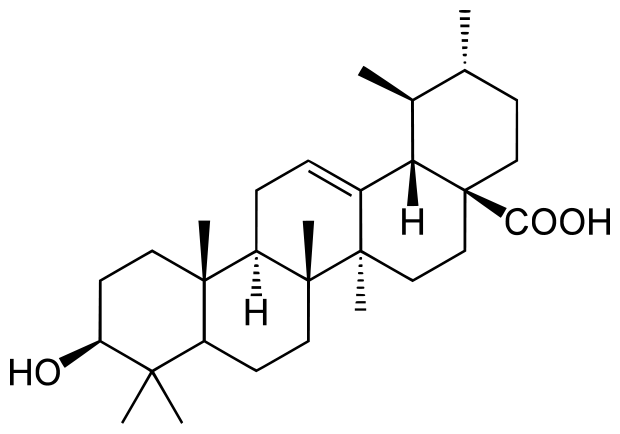
Figure 2: Theoretical Representation of Muscle Wasting and Muscle Building
A = Muscle, B= intermediate muscle, C= atrophied muscle. The larger arrows going to the left indicate the reaction is being driven by ursolic acid (UA) from atrophied muscle (C) toward hypertrophied muscle (A).
UA UA
A
🡨
🡪 B
🡨
🡪 C
Corresponding author:
Eric J. Baer
1235 Dakota Dr.
Grafton, WI 53024
eric@makwood.com








0 Comments