
Vitamin E Tocotrienols: Quenching the Fires Within
by Barrie Tan, PhD, and Anne M. Trias, MS
Managing pain is important, and painkillers – from well-known medications (such as oxycodone, hydrocodone, morphine, marijuana, and celecoxib) to common OTCs (which include the nonsteroidal anti-inflammatory drugs [NSAIDs] that we can easily find on our supermarket shelves) – are a big industry in the US. One of the most common reasons that people visit their physicians is pain; and, while this is understandable, it has also created what some have labeled an “epidemic of abuse.”
Two societies, the American Pain Society and the American Society of Interventional Pain Physicians, among others, are trying to curb the overuse of painkiller prescriptions.1 And, while pain and pain therapies receive much public attention, underlying causes are frequently overlooked. One such cause is inflammation, a term that conjures up images of fire and swelling, and an ailment recently beginning to be associated with pain and other chronic conditions.
Normally, inflammation is a natural immune response meant to repair tissue injury or fight infection. When inflammation is chronic, however, it becomes the root cause of several degenerative conditions besides the more obvious ones like lupus, rheumatoid arthritis, and irritable bowel syndrome. Since many of these conditions are more prevalent in an older population, chronic inflammation has been named a factor in the loss of youthful functions. Not generally recognized by the medical community as a disease-causing condition, chronic inflammation has limited treatment options, and drugs such as NSAIDs typically have undesirable side effects with long-term use. As a result, consumers are seeking natural alternatives as preventive measures against disease development.
In recent years, one natural alternative that has seen a great deal of research emerge is vitamin E tocotrienol. Tocotrienol, unlike its famous “cousin” tocopherol, is only now receiving more attention and appreciation. Latest studies – many of them published only in the last five years – surface new hope for those suffering from degenerative conditions. This article explores the impact of vitamin E tocotrienol on inflammation manifested in cardiovascular disease, metabolic syndrome and diabetes, cancer, and osteoporosis, as well as chronic inflammatory and drug-induced gastric injury.
Structured for Success*
Tocotrienols are derived from three major sources that include palm, rice, and annatto. While palm and rice yield a tocotrienol-tocopherol mixture, annatto is the only tocopherol-free source of tocotrienols (Figure 1). This is an important feature, since research of the past 20 years has shown alpha-tocopherol as a culprit in interfering with tocotrienol benefits, both cardiovascular and cancer.2–4
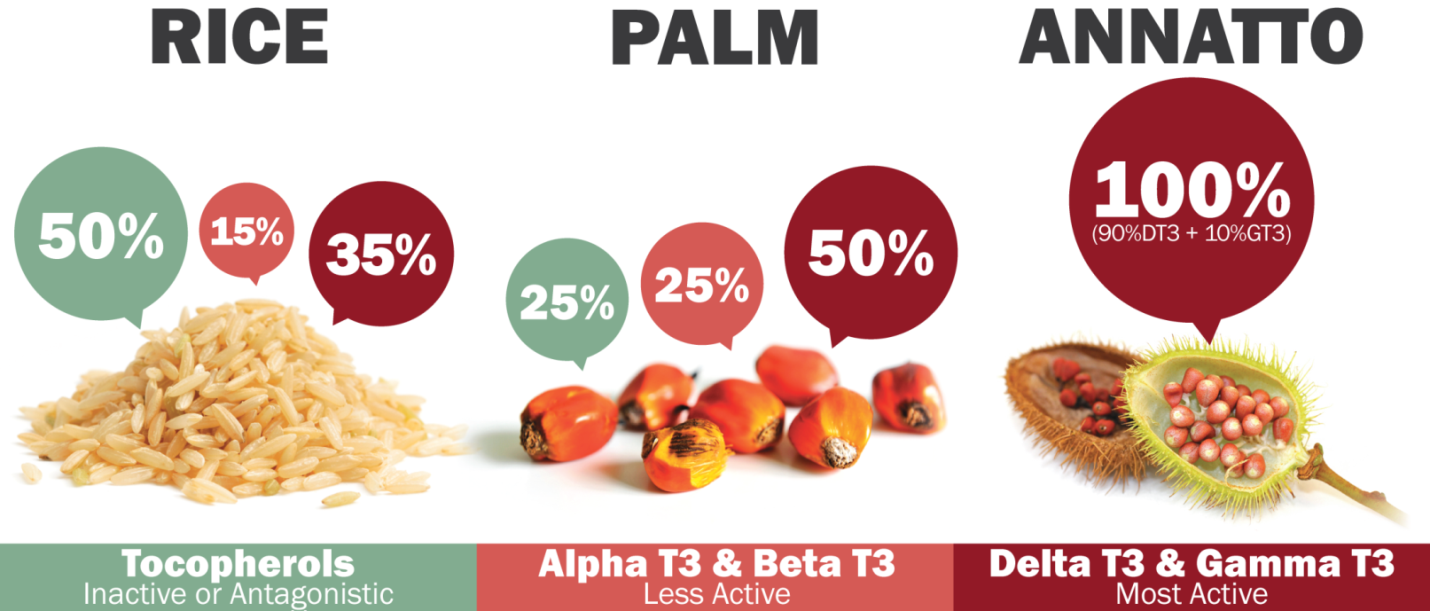
Figure 1: Typical Compositions of Vitamin E in Natural Tocotrienol Sources
†
Tocotrienols differ from tocopherols as a result of their more flexible chemical structure, allowing them to efficiently cover larger membrane areas for added protection. In addition to its superior antioxidant, hypocholesterolemic, and antithrombotic activities, tocotrienol has shown consistent antitumor benefits. Delta- and gamma-tocotrienol’s superior anticancer function to that of alpha is also due to structural differences. Alpha-tocotrienol has a bulkier head, which is due to three methyl groups that are attached to the molecule. Gamma-tocotrienol has two methyl groups, while delta-tocotrienol has only one methyl group. Delta- and gamma-forms of vitamin E are also simply called desmethyl vitamin E due to reduced methyl groups in the molecule’s head region. When it comes to vitamin E, smaller size increases dexterity and function.
Countering Cardiovascular Disease
Latest statistics by the American Heart Association reveal that more than 2150 Americans die of cardiovascular disease each day, translating into one death every 40 seconds.5 In addition, roughly 40 million American adults have total serum cholesterol of ≥240 mg/dL. While oxidized lipoproteins such as oxidized LDL are considered major culprits in the progression of atherosclerosis, they are not the only offenders. Inflammation, sometimes referred to as a “self-amplifying mechanism,” is also involved in the initiation and growth of atherosclerosis, formation of plaques inside blood vessels, and plaque rupture.6 Interestingly, cholesterol-lowering statin drugs reduced the risk of heart attacks and strokes in people with excess inflammation, even though they did not have high cholesterol.7 Unfortunately, statin drugs come with side effects that include muscle pain and liver damage.8 Like statins, albeit to a lesser extent, tocotrienols are often effective cholesterol-lowering agents that convey benefits without undesirable side effects.
Vitamin E tocotrienol –particularly delta-tocotrienol – supplemented along with antioxidant polyphenols and niacin may improve inflammatory markers and reduce the risk of cardiovascular disease in seniors, as a recent clinical trial showed.9 The crossover, placebo-controlled study was conducted in two groups of elderly subjects, one with normal and the other with elevated lipid levels. The product formulation was composed of delta-tocotrienol from annatto, along with niacin and three polyphenols, namely resveratrol, pterostilbene, and quercetin. Notably, there were no adverse effects associated with the 6-week supplementation period. Long-term, moderate consumption of these specific compounds could play an important role in their cardioprotective actions.
In a previous study, the same research group found that blood levels of nitric oxide – an important biological regulator and vasodilator, but pro-inflammatory agent if present in too high amounts – is increased by 60% to 80% in seniors compared with young adults and children.10 Since nitric oxide is associated with many age-related diseases, it is important to lower these levels along with C-reactive protein (CRP), lipids, and other inflammatory markers, in order to improve the quality of life during the aging process. The American Heart Association considers CRP – a protein produced by the liver during inflammation – as a marker for cardiovascular disease risk, where a level of >3 mg/L is considered to be high risk (Table 1). CRP levels can be controlled with proper weight loss, where every 2.2 lbs (or 1 kg) of weight loss reduces CRP by 0.13 mg/L.11
C-Reactive Protein Level(mg/L) |
CVD Risk |
<1 |
Low |
1–3 |
Moderate |
>3 |
High |
Table 1: C-Reactive Protein and Cardiovascular Disease Risk
Delta-tocotrienol, administered along with niacin and polyphenols, significantly decreased blood-borne inflammatory biomarkers, including CRP, and also reduced lipid levels in the hypercholesterolemic subjects. Furthermore, a moderate drop in blood pressure was observed.
The daily dosage of delta-tocotrienol, niacin, resveratrol, and pterostilbene was 100 mg each, and 200 mg for quercetin. The researchers first tested the study supplement in two groups of elderly subjects with normal lipid levels that were crossed over after 6 weeks of supplementation. In both groups, supplementation led to a significant drop in nitric oxide and γ-glutamyl-transferase (a predictor for nonfatal myocardial infarction and fatal coronary heart disease), while increasing total antioxidant status, a measure of the body’s capacity to counteract reactive oxygen species. Furthermore, CRP decreased 21% to 29%.
In the second part of the study, the same combination supplement was tested on elderly with elevated lipid levels. While the supplement increased total antioxidant status as observed in the first part of the study with an even more significant reduction of CRP by 31%–48%, LDL cholesterol (20%–28%) and triglycerides (11%–18%) also dropped in this hypercholesterolemic group.
Before this clinical study, numerous earlier test tube and animal studies showed that of the four tocotrienol isomers, delta was the most potent for lipid reduction and inflammation (Figure 2).12–14 This is the first tocotrienol clinical study to address the two faces of cardiovascular diseases (CVD) simultaneously – lipids and inflammation – a double jeopardy of “Bulges and Clots.” (For a more in-depth discussion on tocotrienol research and cardiovascular disease, see the article published last year in this journal.)15
Figure 2: Anti-Inflammatory Benefits of Tocotrienol
†
Stopgap Measures for Metabolic Syndrome and Diabetes
In honor of World Diabetes Day (November 14, 2013), the International Diabetes Foundation published a poster conveying the following message: “If Diabetes were a country, it would be the third most populated in the world.” More than 371 million people worldwide have diabetes, with highest prevalence in China, India, and the US. A shocking 1 in 10 adults in the US – 38 million – have diabetes, and half of them don’t even know it. An even greater number of the population, 80 million in the US, has prediabetes, and currently 5% to 11% of these people become diabetics each year. In 2012, a staggering $471 billion was spent on health care related to diabetes.16
While vascular inflammation contributes to atherosclerosis, inflammation of the liver and fat – often observed in overweight and obese individuals – can lead to another condition closely intertwined with heart disease, namely metabolic syndrome and type 2 diabetes.
Many type 2 diabetics test positive for characteristics associated with an active immune system, indicative of chronic inflammation in the absence of an infection or injury. Obesity is a driving force behind chronic inflammation, and is also one of the major hallmarks of metabolic syndrome and diabetes.17 Currently, 154.7 million US adults are overweight, and the mother ship, the American Medical Association, recently declared obesity as a disease.5,18 While this definition is still controversial, obesity is clearly a major global health problem, killing at least 2.8 million per year.19 With a calorie consumption of 3500 calories per capita (75% above the average 2000 calorie diet), it is not surprising that more than 60% of American adults are overweight. Commenting on the inflammatory effects of obesity, Dr. Peter Libby, chief of cardiovascular medicine at Brigham and Women’s Hospital in Boston, told Wall Street Journal that “abdominal fat tissue is a hotbed of inflammation that pours out all kinds of inflammatory molecules.”11 Visceral fat in particular, present in the belly and around organs, secretes up to three times more inflammatory cytokines, including tumor necrosis factor alpha (TNF-a) and interleukin-6 (IL-6).20,21 In various studies, tocotrienol – especially delta-tocotrienol – was able to reduce these inflammatory markers.9,10,13,22–25
Pro-inflammatory cytokines churned out by oversized fat cells eventually lead to decreased insulin sensitivity and excess blood glucose. In a vicious cycle, this excess glucose that cannot be used in energy production is converted to triglycerides and stored as unwanted body fat.21 Tocotrienol reduction of triglyceride levels has been confirmed.26 In two open studies, fasting blood lipids were measured before and after 2 months of annatto tocotrienol (75 mg/day) supplementation.27 In both groups, the LDL/HDL ratio was reduced by 12% to 21%. Important to metabolic health promotion, triglyceride levels dropped 20% to 30%. In several clinical studies with metabolic syndrome and diabetes patients, tocotrienols were shown to reduce the symptoms associated with the disease. Some studies report reductions in serum total lipids by 23%, total cholesterol by 30%, and LDL-cholesterol by 42% within 60 days in type 2 diabetics.28 There is also evidence that tocotrienol has an effect on adipocytes and nonalcoholic fatty liver disease.29,30
Innovative Adjunct to Cancer Therapy
Chronic inflammation not only affects cardiometabolic health, but can also influence all stages of carcinogenesis: initial genetic alterations and ROS-induced DNA mutations that drive cancer formation, tumor promotion through inflammatory cytokines that allow the tumor to progress and metastasize, activation of blood vasculature changes that promote cancer growth, and prevention of an effective immune response to fight the tumor.31 An article in the Scientific American aptly referred to a cancerous tumor as an “outlaw organ that exists not to pump blood or rid the body of toxins, but to serve only its own end.”32 According to researcher Harold Dvorak of Harvard University, inflammation and cancer share some basic developmental mechanisms, such as angiogenesis to promote tumor growth, and tissue infiltrating cells.31 Alluding to the inflammatory nature of tumors, Dvorak’s observation was that “tumors act like wounds that do not heal.”
While earlier tocotrienol studies dealt with its application in the cardiovascular health realm, the last 10 years have seen a boom in tocotrienol cancer research.33 Tocotrienols, and especially delta-tocotrienol, were found to be beneficial in many cancer applications, particularly in organs such as the pancreas, breast, prostate, lung, and skin.34–49 Notably, a current clinical trial is testing the effects of delta-tocotrienol on patients with resectable pancreatic cancer, considered deadliest among cancers.50 Tocotrienol’s anticancer mechanism is mainly contributed to its anti-inflammatory nature, although its proficiency as antioxidant and cholesterol-reducer also play a role.51–53 Tocotrienol and cancer kill were discussed in greater depth last year in this journal.54
Delta-tocotrienol is a master at blocking various inflammatory cytokines that are basic in the development of cancer, including NFkB (initiates inflammation), interleukins (promote and resolve inflammation), tumor necrosis factor (promotes tumor initiation), eicosanoids (local messages at site of inflammation), and cyclooxygenases (drive production of eicosanoids).22,25,55–57 There are two cyclooxygenases: COX-1, constitutive in most tissues and responsible for maintaining normal physiological functions, and COX-2, inducible by cytokines and toxins in inflamed cells. Nonsteroidal anti-inflammatory drugs (NSAIDs) such as aspirin and ibuprofen block both COX-1 and COX-2, thereby reducing inflammation, but also increasing the risk of liver toxicity and stomach bleeding with long-term use.58 As opposed to NSAIDs, tocotrienols only block COX-2, whereby they decrease the inducible inflammatory response, but allow normal physiological processes to occur.25
Vitamin E’s link to cancer benefits has received support from a recent study, which found that tocotrienols derived from the annatto plant helped prevent mammary tumor growth in mice.39 This is in contrast to alpha-tocopherol’s negative link to cancer, marked by either no effect or mitigation of tocotrienol’s functions; this E vitamer has also been associated with an increased risk of prostate cancer.3,59–63 The new study found that supplementation with annatto tocotrienol delayed the development of mammary tumors. Research was performed in a HER-2/neu tumor model, an aggressive form of the disease found in 20% to 30% of metastatic breast cancers. The supplement was shown to delay mammary tumor development and reduced the number and size of tumors and lung metastases. The researchers believe that annatto tocotrienol’s effect on the mammary tumor was due to its ability to create stress and cause death to the breast cancer cells.
A unique finding of this study is that delta-tocotrienol was rapidly recruited to the breast tumor precisely where the cancer kill needs to be. When supplemented with annatto-tocotrienol, a rapid increase of delta-tocotrienol was observed in the serum, liver, and tumors of the mice. This bioavailability has been previously shown for other tissues, including the pancreas and colon.34,64–67
Another growing area of research related to cancer is in radiation oncology, where delta- and gamma-tocotrienols have important implications as promising radioactive countermeasures. In the past six years, the Armed Forces Radiobiology Research Institute (AFRRI) has performed extensive research on tocotrienol, where – following total body radiation of mice – both delta- and gamma-tocotrienol rescued blood-borne damages by increasing the total white blood cell count critical for survival.68,69 In both cases, prophylactic treatment 24 hours preradiation was more effective than postradiation treatment. Delta-tocotrienol improved 30-day survival to 100% (versus 5% in control) and accelerated recovery of white blood cells.70 Although antioxidant protection by tocotrienol is involved, mechanisms targeting inflammatory pathways such as NFkB and STAT-3 produced during ionizing radiation may play a crucial role in improving clinical outcomes by enhancing radiosensitivity and decreasing side effects.71 So promising is tocotrienol providing radiation protection that the US government is now investigating gamma-tocotrienol in a large nonhuman primate model, an experiment needed prior to the potential personnel use of this vitamin for military first responders.72
Scientific Breakthroughs: Addressing Osteoporosis and Gastric Injury
Postmenopausal osteoporosis is a condition of decreasing bone density accompanied by high bone turnover, and is due to estrogen deficiency that occurs with the arrival of menopause in the 50-something-year-old woman. Affecting 8 million women in the US, osteoporosis is responsible for 1.5 million fractures annually, with an estimated annual expenditure totaling $14 billion.73 Biological hallmarks are reduced levels of bone-forming cells or osteoblasts resulting in low levels of osteocalcin and osteoids that normally make up the bone matrix, as well as increased levels of osteoclasts that are responsible for erosion of the bone surface. Postmenopausal bone loss is related to inflammation, as low sex hormones such as estrogen are inflammatory risk factors. Estrogen turns down osteoclast activity, so when this hormone declines after menopause, bone resorption is unrestrained. Moreover, in osteoporosis, inflammatory cytokines stimulate osteoclast activity and bone loss.21
Delta-tocotrienol – given with or without statins stimulated bone formation and cut back bone decay in a postmenopausal osteoporosis rat model.74
In the study, researchers tested the effects of annatto tocotrienol alone or in combination with lovastatin on osteoblast and osteoclast levels. Results showed that both the combo as well as tocotrienol alone increased osteoblasts, osteocalcin, and osteoid biosynthesis, all indicative of bone formation. In addition, the combo decreased breakdown of bone proteins and the extent of eroded bone surface, suggesting that bone decay was inhibited.
In previous studies, the effect of statins on bone formation has been equivocal.75–77 The current study utilized clinically acceptable doses of statin equivalent to a human daily dose of 80 mg, and confirmed that statins alone were ineffective at this low dose. For tocotrienol – previously shown to maintain bone density and prevent bone loss in various animal models – the dose given to the rats was approximately equivalent to a human daily dose of 420 mg.
The researchers concluded that combination of delta-tocotrienol plus lovastatin has the potential to be used as an antiosteoporotic agent. Previous studies by the same research team lend further support to tocotrienol’s bone benefits, and show that the vitamin has positive effects on both osteoporotic as well as normal bone.78–84 The preventive use of tocotrienol supplements may be especially opportunistic for women with osteopenia, affecting 22 million in the US, to curb bone loss.
Another inflammatory condition, gastric injury, is often caused by the widespread use of common NSAID painkillers. In addition, stress is a risk factor of various major health problems, including gastritis. New data from animals suggest that vitamin E tocotrienols from annatto protect the gastric mucosa against injury.85 Tocotrienol’s ability to protect the gastric mucosa from stress-induced injury was due to a nonantioxidant mechanism, and may be linked to its anti-inflammatory ability of inhibiting COX-2 enzyme.
In the study, GI stress was induced by a widely accepted method of water immersion and restraint. Animals received 60mg/kg of annatto tocotrienol daily for 28 days prior to introduction of stress. Measurements included gastric lesion score, malondialdehyde (produced when lipid membranes are damaged by oxidation), and prostaglandin E2 (PGE2), a mediator of inflammation that is known to render the GI tract more resistant to acute injury.
Results showed that the gastric lesion score was significantly lower in the tocotrienol-treated group, and that annatto tocotrienol had about 120% less gastric lesions than the control. A surprising increase in malondialdehyde levels discouraged the theory of an antioxidant mechanism. Instead, the researchers theorized that the mechanism may be due to tocotrienol’s capacity to lower COX-2 enzyme, thereby slightly surprising PGE2 and inflammation of the GI tract.
Inflammation is a scourge. From one of the most common reasons for physician visits to abuse of pain meds and the huge NSAID-caused hospitalizations, we are indeed a nation in pain. Approximately 98 million NSAID prescriptions were filled in 2012, and about 23 million people in the US take NSAIDs daily.86 Alarmingly, one article asserts that there have been more hospitalizations from NSAID bleeding than all American war casualties combined.87 Furthermore, chronic inflammatory bowel disease – including Crohn’s disease and ulcerative colitis – is a condition without medical cure, and is one of five most prevalent disease burdens in the US, reaching an overall health care cost of more than $1.7 billion.88 Clearly, natural and safe alternatives to reduce pain and inflammation are increasingly needed, and vitamin E tocotrienol may be one important part of the solution.
* Excerpt previously appeared in Townsend Letter, May 2012.
† Figures 1 and 2 previously appeared in Whole Foods Magazine, July–October 2012.
Notes
1. Martin TW. More patients’ painkillers come with strings attached. Wall Street J. 2013.
2. Khor HT, Chieng DY. Effect of dietary supplementation of tocotrienols and tocopherols on serum lipids in the hamster. Nutr Res. 1996;16:1391–1401.
3. Qureshi AA et al. Dietary alpha-tocopherol attenuates the impact of gamma-tocotrienol on hepatic 3-hydroxy-3-methylglutaryl coenzyme A reductase activity in chickens. J Nutr. 1996;126(2):389–394.
4. Shibata A et al. Suppression of gamma-tocotrienol on UVB induced inflammation in HaCaT keratinocytes and HR-1 hairless mice via inflammatory mediators multiple signaling. J Agric Food Chem. 2010. 58(11):7013–7020.
5. Go AS et al. Heart disease and stroke statistics–2013 update: a report from the American Heart Association. Circulation. 2013;127(1):e6–e245.
6. Lindner JR, Shimizu I. Inflammation, diabetes, and heart disease interrelated. In: 73rd Scientific Sessions of the American Diabetes Association; Chicago; 2013. professional.diabetes.org.
7. Kotz D. Chronic inflammation: reduce it to protect your health. U.S. News & World Report: Health. 2009.
8. Graveline D. The Statin Damage Crisis. 2009.
9. Qureshi AA et al. Nutritional supplement-5 with a combination of proteasome inhibitors (resveratrol, quercetin, delta-tocotrienol) modulate age-associated biomarkers and cardiovascular lipid parameters in human subjects. J Clin Exp Cardiol. 2013;4(3):1–14.
10. Qureshi AA et al. Suppression of nitric oxide production and cardiovascular risk factors in healthy seniors and hypercholesterolemic subjects by a combination of polyphenols and vitamins. J Clin Exp Cardiol. 2012;S5:8.
11. Landro L. The new science behind America’s deadliest diseases. Wall Street J. 2012.
12. Qureshi AA et al. Tocotrienols inhibit lipopolysaccharide-induced pro-inflammatory cytokines in macrophages of female mice. Lipids Health Dis. 2010;9:143.
13. Qureshi AA et al. Delta-tocotrienol and quercetin reduce serum levels of nitric oxide and lipid parameters in female chickens. Lipids Health Dis. 2011;10:39.
14. Yu, S.G et al. Dose-response impact of various tocotrienols on serum lipid parameters in 5-week-old female chickens. Lipids. 2006;41(5):453–461.
15. Tan B, Trias AM. Tocotrienols: vitamin E for cardiovascular benefits after all. Townsend Lett. 2012:85–92.
16. International Diabetes Foundation. IDF Diabetes Atlas; 2012.
17. Gebel E. A fiery foe: the link between chronic inflammation and disease. Diabetes Forecast. December 2011:36–39.
18. Pollack A. A.M.A. recognizes obesity as a disease. New York Times. 2013.
19. National Research Council and Institute of Medicine and WHO. Global epidemic of obesity. Daily Hampshire Gazette. 2013.
20. Fried SK, Bunkin DA, Greenberg AS. Omental and subcutaneous adipose tissues of obese subjects release interleukin-6: depot difference and regulation by glucocorticoid. J Clin Endocrinol Metab. 1998;83(3):847–850.
21. Inflammation (chronic) [online article]. Life Extension. July 2013. http://www.lef.org/protocols/health_concerns/chronic_inflammation_01.htm.
22. Qureshi AA et al. Tocotrienols inhibit lipopolysaccharide-induced pro-inflammatory cytokines in macrophages of female mice. Lipids Health Dis. 2011;9(1):143.
23. Qureshi AA et al. Inhibition of nitric oxide in LPS-stimulated macrophages of young and senescent mice by delta-tocotrienol and quercetin. Lipids Health Dis. 2011;10:239.
24. Qureshi AA et al. Suppression of nitric oxide induction and pro-inflammatory cytokines by novel proteasome inhibitors in various experimental models. Lipids Health Dis. 2011;10:177.
25. Yam ML et al. Tocotrienols suppress proinflammatory markers and cyclooxygenase-2 expression in RAW264.7 macrophages. Lipids. 2009;44(9):787–797.
26. Zaiden N et al. Gamma delta tocotrienols reduce hepatic triglyceride synthesis and VLDL secretion. J Atheroscler Thromb. 2010;17(10):1019–1032.
27. Tan B, Mueller AM. Tocotrienols in cardiometabolic diseases. In: Watson R, Preedy V, eds. Tocotrienols: Vitamin E beyond Tocopherol. AOCS/CRC Press; 2008:257–273.
28. Baliarsingh S, Beg ZH, Ahmad J. The therapeutic impacts of tocotrienols in type 2 diabetic patients with hyperlipidemia. Atherosclerosis. 2005;182(2):367–374.
29. Yachi R, Igarashi O, Kiyose C. Protective effects of vitamin E analogs against carbon tetrachloride-induced fatty liver in rats. J Clin Biochem Nutr. 2010;47(2):148–154.
30. Torabi S, Yeganehjoo H, Mo H. D-Delta-tocotrienol suppresses the differentiation of murine 3T3-F442A preadipocytes. In: TWU Student Creative Arts and Research Symposium. April 2013; Denton, TX.
31. Trinchieri G. An aspirin for your cancer? Scientist. April 2011:38–43.
32. Stix G. Is chronic inflammation the key to unlocking the mysteries of cancer? Sci Am. 2008.
33. Tan B, Watson R, Preedy V, eds. Tocotrienols: Vitamin E Beyond Tocopherols. 2nd ed. Boca Raton, FL: CRC Press; 2013.
34. Husain K et al. Vitamin E delta-tocotrienol levels in tumor and pancreatic tissue of mice after oral administration. Pharmacology. 2009;83(3):157–163.
35. Husain K et al. Vitamin E delta-tocotrienol augments the antitumor activity of gemcitabine and suppresses constitutive NF-kappaB activation in pancreatic cancer. Mol Cancer Ther. 2011;10(12):2363–2372.
36. Hussein D, Mo H. D-delta-tocotrienol-mediated suppression of the proliferation of human PANC-1, MIA PaCa-2, and BxPC-3 pancreatic carcinoma cells. Pancreas. 2009;38(4):e124–e136.
37. Nesaretnam K, Meganathan P. Tocotrienols: inflammation and cancer. Ann N Y Acad Sci. 2011;1229(1):18–22.
38. Nesaretnam K et al. Tocotrienols and breast cancer: the evidence to date. Genes Nutr. 2012;7(1):3–9.
39. Pierpaoli E et al. Effect of annatto-tocotrienols supplementation on the development of mammary tumors in HER-2/neu transgenic mice. Carcinogenesis. 2013;34(6):1352–1360.
40. Sylvester PW, Shah SJ. Mechanisms mediating the antiproliferative and apoptotic effects of vitamin E in mammary cancer cells. Front Biosci. 2005;10:699–709.
41. Campbell SE et al. Gamma-tocotrienol induces growth arrest through a novel pathway with TGFbeta2 in prostate cancer. Free Radic Biol Med. 2011;50(10):1344–1354.
42. Constantinou C et al. Induction of caspase-independent programmed cell death by vitamin E natural homologs and synthetic derivatives. Nutr Cancer. 2009;61(6):864–874.
43. Constantinou C et al. Induction of DNA damage and caspase-independent programmed cell death by vitamin E. Nutr Cancer. 2012;64(1):136–152.
44. Ji X et al. Delta-tocotrienol suppresses Notch-1 pathway by upregulating miR-34a in nonsmall cell lung cancer cells. Int J Cancer. 2012;131(11):2668–2677.
45. Ji X et al. Inhibition of cell growth and induction of apoptosis in non-small cell lung cancer cells by delta-tocotrienol is associated with notch-1 down-regulation. J Cell Biochem. 2011;112(10):2773–2783.
46. Ji X et al. Delta-tocotrienol augments cisplatin-induced suppression of non-small cell lung cancer cells via inhibition of the Notch-1 pathway. Anticancer Res. 2012;32(7):2647–2655.
47. Fernandes NV, Guntipalli PK, Mo H. D-delta-tocotrienol-mediated cell cycle arrest and apoptosis in human melanoma cells. Anticancer Res. 2010;30(12):4937–4944.
48. He L et al. Isoprenoids suppress the growth of murine B16 melanomas in vitro and in vivo. J Nutr. 1997. 127(5):668–674.
49. McAnally JA et al. Tocotrienols potentiate lovastatin-mediated growth suppression in vitro and in vivo. Exp Biol Med (Maywood). 2007;232(4):523–531.
50. Springett G et al. Delta-tocotrienol in subjects with resectable pancreatic exocrine neoplasia. In: 2nd International Tocotrienol Symposium. 2012; Long Beach, CA.
51. Aggarwal B, Nesaretnam K. Vitamin E tocotrienols: life beyond tocopherols. Genes Nutr. 2012;7(1):1.
52. Theriault A et al. Tocotrienol: a review of its therapeutic potential. Clin Biochem. 1999;32(5):309–319.
53. Mo H, Elson CE. Studies of the isoprenoid-mediated inhibition of mevalonate synthesis applied to cancer chemotherapy and chemoprevention. Exp Biol Med (Maywood). 2004;229(7):567–585.
54. Tan B, Trias AM. Tocotrienols: latest cancer research in vitamin E. Townsend Lett. 2012:65–68.
55. Ahn KS et al. Gamma-tocotrienol inhibits nuclear factor-kappaB signaling pathway through inhibition of receptor-interacting protein and TAK1 leading to suppression of antiapoptotic gene products and potentiation of apoptosis. J Biol Chem. 2007;282(1):809–820.
56. Kannappan, R et al. Tocotrienols fight cancer by targeting multiple cell signaling pathways. Genes Nutr. 2012;7(1):43–52.
57. Qureshi AA et al. Lowering of serum cholesterol in hypercholesterolemic humans by tocotrienols (palmvitee). Am J Clin Nutr. 1991;53(4 Suppl):1021S–1026S.
58. Kurumbail RG et al. Structural basis for selective inhibition of cyclooxygenase-2 by anti-inflammatory agents. Nature. 1996;384(6610):644–648.
59. McIntyre BS et al. Antiproliferative and apoptotic effects of tocopherols and tocotrienols on preneoplastic and neoplastic mouse mammary epithelial cells. Proc Soc Exp Biol Med. 2000;224(4):292–301.
60. Shibata A et al. Delta-tocotrienol suppresses VEGF induced angiogenesis whereas alpha-tocopherol does not. J Agric Food Chem. 2009;57(18):8696–704.
61. Guthrie N et al. Inhibition of proliferation of estrogen receptor-negative MDA-MB-435 and -positive MCF-7 human breast cancer cells by palm oil tocotrienols and tamoxifen, alone and in combination. J Nutr. 1997;127:544S–548S.
62. Shibata A et al. Alpha-tocopherol attenuates the cytotoxic effect of delta-tocotrienol in human colorectal adenocarcinoma cells. Biochem Biophys Res Commun. 2010;397(2):214–219.
63. Klein EA et al. Vitamin E and the risk of prostate cancer: the Selenium and Vitamin E Cancer Prevention Trial (SELECT). JAMA. 2011;306(14):1549–1556.
64. Patel V et al. Oral tocotrienols are transported to human tissues and delay the progression of the model for end-stage liver disease score in patients. J Nutr. 2012;142(3):513–519.
65. Khosla P et al. Postprandial levels of the natural vitamin E tocotrienol in human circulation. Antioxid Redox Signal. 2006;8(5–6):1059–1068.
66. Pearson CK, Barnes MM. The absorption and distribution of the naturally occurring tocochromanols in the rat. Br J Nutr. 1970. 24(2):581–587.
67. Shibata A et al. Tocotrienol inhibits secretion of angiogenic factors from human colorectal adenocarcinoma cells by suppressing hypoxia-inducible factor-1alpha. J Nutr. 2008. 138(11):2136–2142.
68. Kulkarni S et al. Gamma-tocotrienol protects hematopoietic stem and progenitor cells in mice after total-body irradiation. Radiat Res. 2010;173(6):738–747.
69. Li XH et al. Delta-tocotrienol protects mouse and human hematopoietic progenitors from gamma-irradiation through extracellular signal-regulated kinase/mammalian target of rapamycin signaling. Haematologica. 2010;95(12):1996–2004.
70. Satyamitra M et al. Mechanism of radioprotection by delta-tocotrienol: pharmacokinetics, pharmacodynamics and modulation of signalling pathways. Br J Radiol. 2012;85(1019):e1093–e1103.
71. Multhoff G, Radons J. Radiation, inflammation, and immune responses in cancer. Front Oncol. 2012;2:58.
72. Singh VK, Beattie LA, Seed TM. Vitamin E: tocopherols and tocotrienols as potential radiation countermeasures. J Radiat Res. 2013.
73. Facts and statistics [Web page]. International Osteoporosis Foundation. July 2013, http://www.iofbonehealth.org/facts-statistics.
74. Abdul-Majeed S, Mohamed N, Soelaiman IN. Effects of tocotrienol and lovastatin combination on osteoblast and osteoclast activity in estrogen-deficient osteoporosis. Evid Based Complement Alternat Med. 2012;2012:960742.
75. Stein EA et al. Effects of statins on biomarkers of bone metabolism: a randomised trial. Nutr Metab Cardiovasc Dis. 2001;11(2):84–87.
76. Mostaza JM et al. Pravastatin therapy increases procollagen I N-terminal propeptide (PINP), a marker of bone formation in post-menopausal women. Clin Chim Acta. 2001;308(1–2):133–137.
77. Bjarnason NH, Riis BJ, Christiansen C. The effect of fluvastatin on parameters of bone remodeling. Osteoporos Int. 2001;12(5):380–384.
78. Ha H et al. Alpha-tocotrienol inhibits osteoclastic bone resorption by suppressing RANKL expression and signaling and bone resorbing activity. Biochem Biophys Res Commun. 2011;406(4):546–551.
79. Mehat MZ et al. Beneficial effects of vitamin E isomer supplementation on static and dynamic bone histomorphometry parameters in normal male rats. J Bone Miner Metab. 2010;28(5):503–509.
80. Norazlina M et al. Tocotrienols are needed for normal none calcification in growing female rats. Asia Pac J Nutr. 2002;11(3):194–199.
81. Norazlina M, Ima-Nirwana S, Khalid BA. Effects of vitamin E deficiency on bone metabolism in intact and ovariectomised growing female rats. Asia Pac J Pharm. 2001;15:37–46.
82. Norazlina M et al. Effects of vitamin E supplementation on bone metabolism in nicotine-treated rats. Singapore Med J. 2007;48(3):195–199.
83. Norazlina M, Ng FW, Ima-Nirwana S. Gamma-tocotrienol is required for normal vitamin D metabolism in female rats. Ind J Pharm. 2005;37(5):309–314.
84. Shuid AN et al. Vitamin E exhibits bone anabolic actions in normal male rats. J Bone Miner Metab. 2010;28(2):149–156.
85. Rodzian MN et al. Pure tocotrienol concentrate protected rat gastric mucosa from acute stress-induced injury by a non-antioxidant mechanism. Pol J Pathol. 2013;64(1):52–58.
86. Kaiser C. AHA Adds Its Weight to NSAID Risk Message [online article]. MedPage Today. Jan. 6, 2013. http://www.medpagetoday.com/Cardiology/Prevention/36723.
87. Bystrianyk R. More hospitalized from NSAID bleeding than all American war casualties [online article]. Health Sentinel. Jan. 10, 2010. http://www.healthsentinel.com/joomla/index.php?option=com_content&view=article&id=2668:more-hospitalized-from-nsaid-bleeding-than-all-american-war-casualties&catid=5:original&Itemid=24.
88. Inflammatory bowel disease (IBD) [Web page]. Centers for Disease Control and Prevention. July 2013. http://www.cdc.gov/ibd.
Anne Trias, MS, received her Master of Science in Microbiology from the University of Massachusetts, Amherst. Her thesis centered on tocotrienol’s attenuating effect on chlamydial infections. Ms. Trias joined American River Nutrition, Inc. in 2006, where she is actively involved in technical writing, sales, and R&D management. She was a member of the organizing committee for the 2nd International Tocotrienol Symposium held in conjunction with the 103rd Annual Meeting of the American Oil Chemists’ Society (Long Beach, CA; April 29, 2012).
Dr. Barrie Tan earned his doctorate in chemistry with emphasis on biochemistry at the University of Otago, New Zealand. He later became a professor of chemistry and food science/nutrition at the University of Massachusetts, Amherst. His research expertise includes lipid-soluble materials such as carotenoids, tocotrienols/tocopherols, CoQ10, omega-3s and cholesterol. He was the first to introduce tocotrienol’s benefits to the nutrition industry. He founded American River Nutrition Inc. in 1998 and developed the first-ever tocopherol-free tocotrienol product derived from annatto beans. Today, the focus of his research is on lipid-soluble nutrients that have an impact on chronic and degenerative conditions. Dr. Tan is the senior editor of a compilation with broad focus on tocotrienol, Tocotrienols: Vitamin E Beyond Tocopherols (AOCS & CRC Press), and was the organizer of the 2nd International Tocotrienol Symposium in conjunction with the 103rd Annual Meeting of the American Oil Chemists’ Society (Long Beach, CA; April 29, 2012).








0 Comments